
call and response



Q&A
GN: Call and Response began in 2004 with the idea of creating something from nothing. When you think back to that moment, what did “creating” mean to you then, and how has that definition evolved?
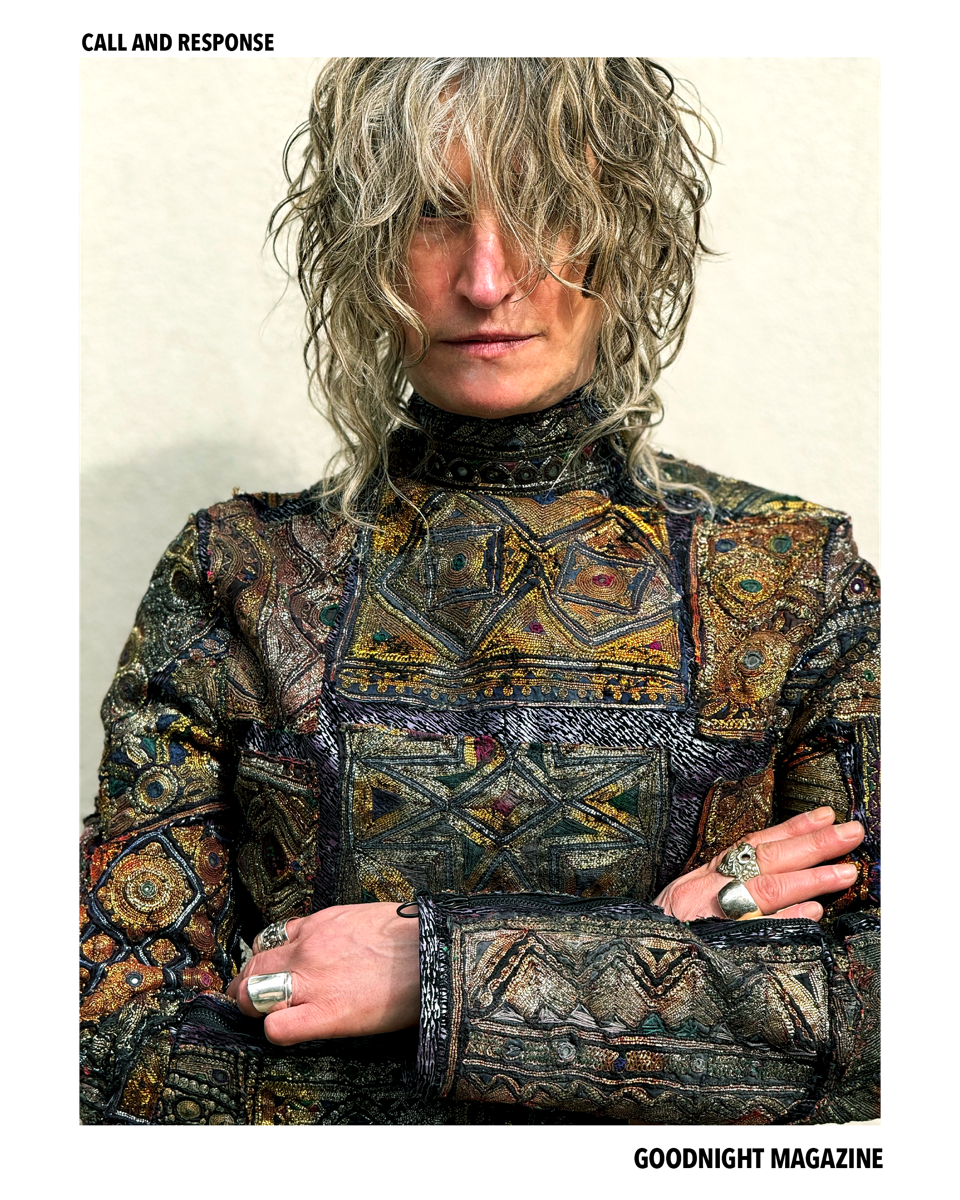
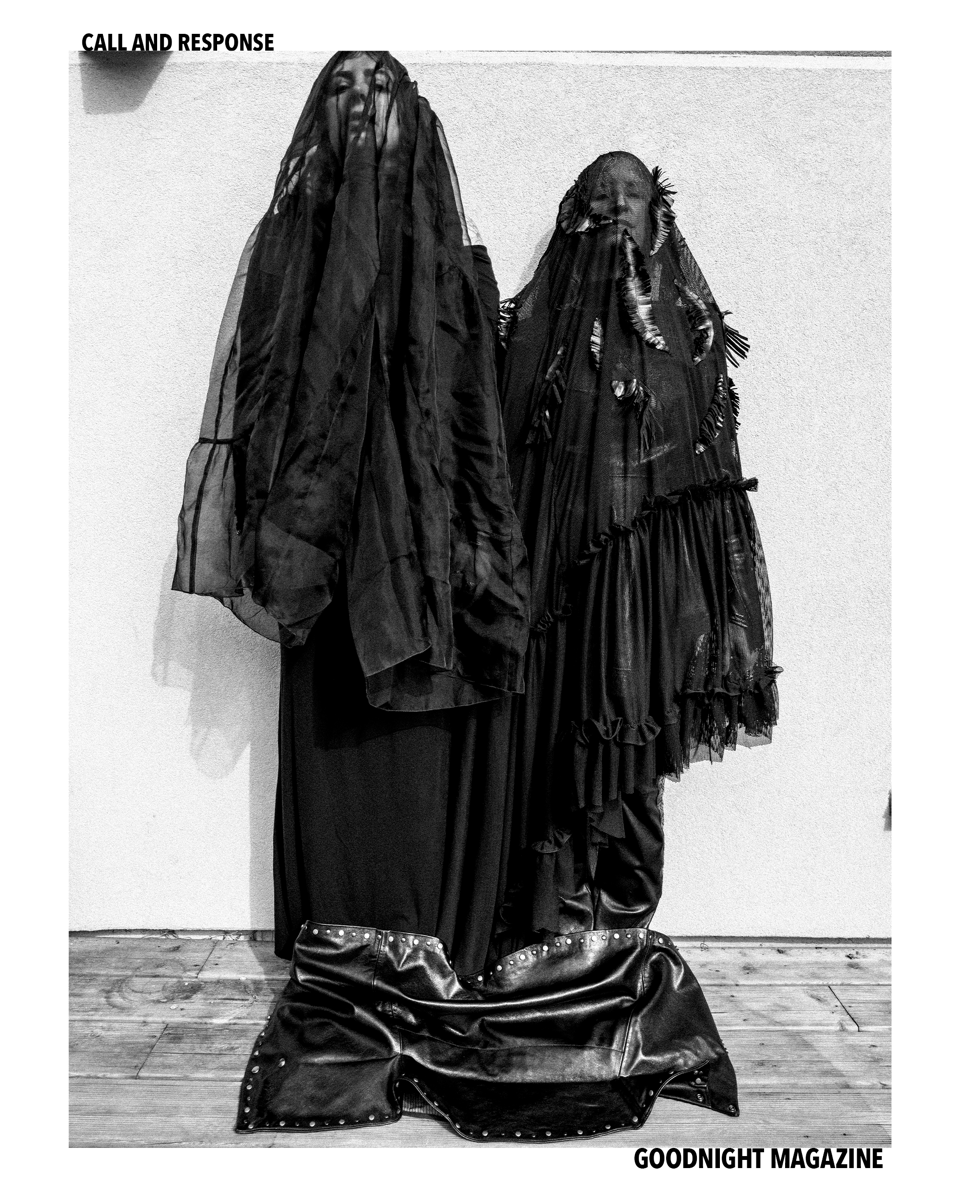
C&R: We were after a different ethos than what had been filling the stores. It was counter intuitive but we got a response from musicians. Creating hasn’t changed much - we’re still sourcing beautiful textiles to cut up and incorporate into our designs. We've expanded our sourcing to include pieces like embroidered antique wedding kimonos. We were and rebellious at a time that praises homogeneity.
GN: You’ve described starting at a crossroads between following traditional design rules or stepping into the unknown. What gave you the confidence to choose the unfamiliar path?
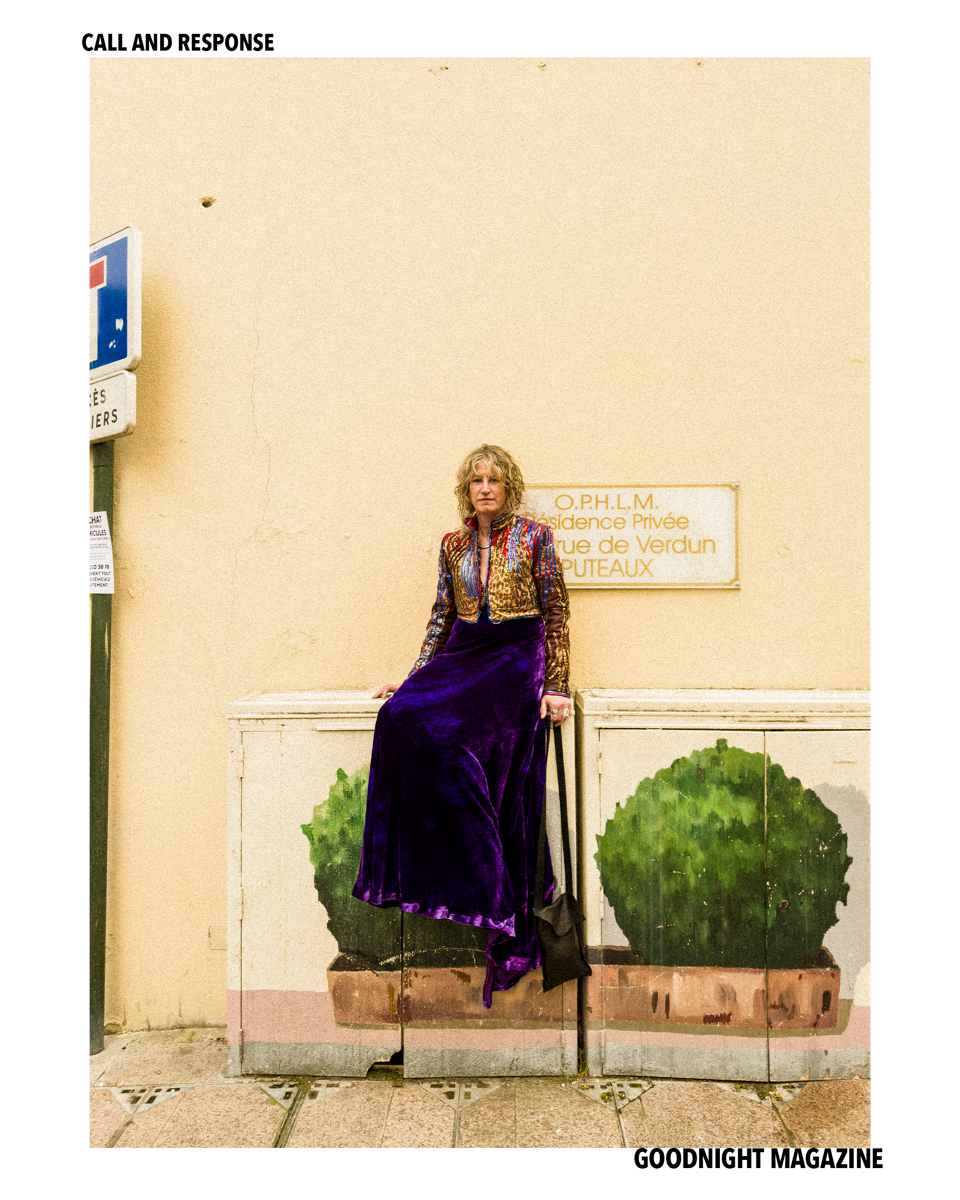
C&R: We did start at a crossroads. We didn’t go for the standard. Because we were self taught, nobody told us that we can’t. We believed we could and we will. In the development of a line we have still applied these principles. If we can’t find a colour we like in silk velvet, we dye it ourselves.
GN: Being self-taught often comes with both freedom and uncertainty. How did that lack of formal structure shape the way you approach design today?
C&R: We’re not afraid of uncertainty we’re used to it. We’re a small company so we can switch mid stream. Nothing we do is written in stone. We’re both flexible and eager.
GN: Early on, you worked with limited resources painting leather, distressing textiles, and repurposing forgotten materials. How did those constraints become part of your creative identity?
C&R: What started out being a money saving device became a very important part of our look.
GN: There’s a strong sense of experimentation in your process. Do you remember a moment when something unexpected turned into a defining technique or signature for the brand?
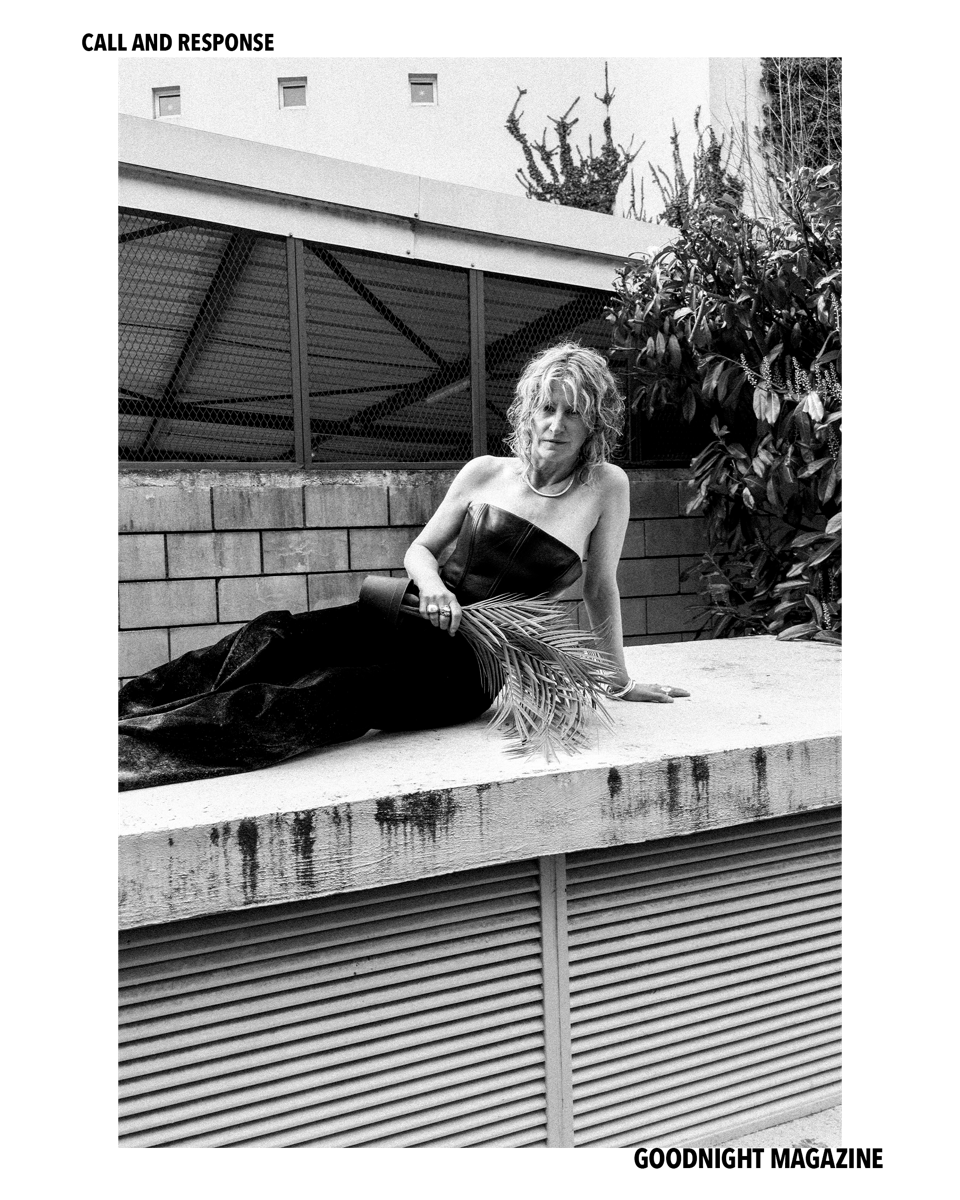
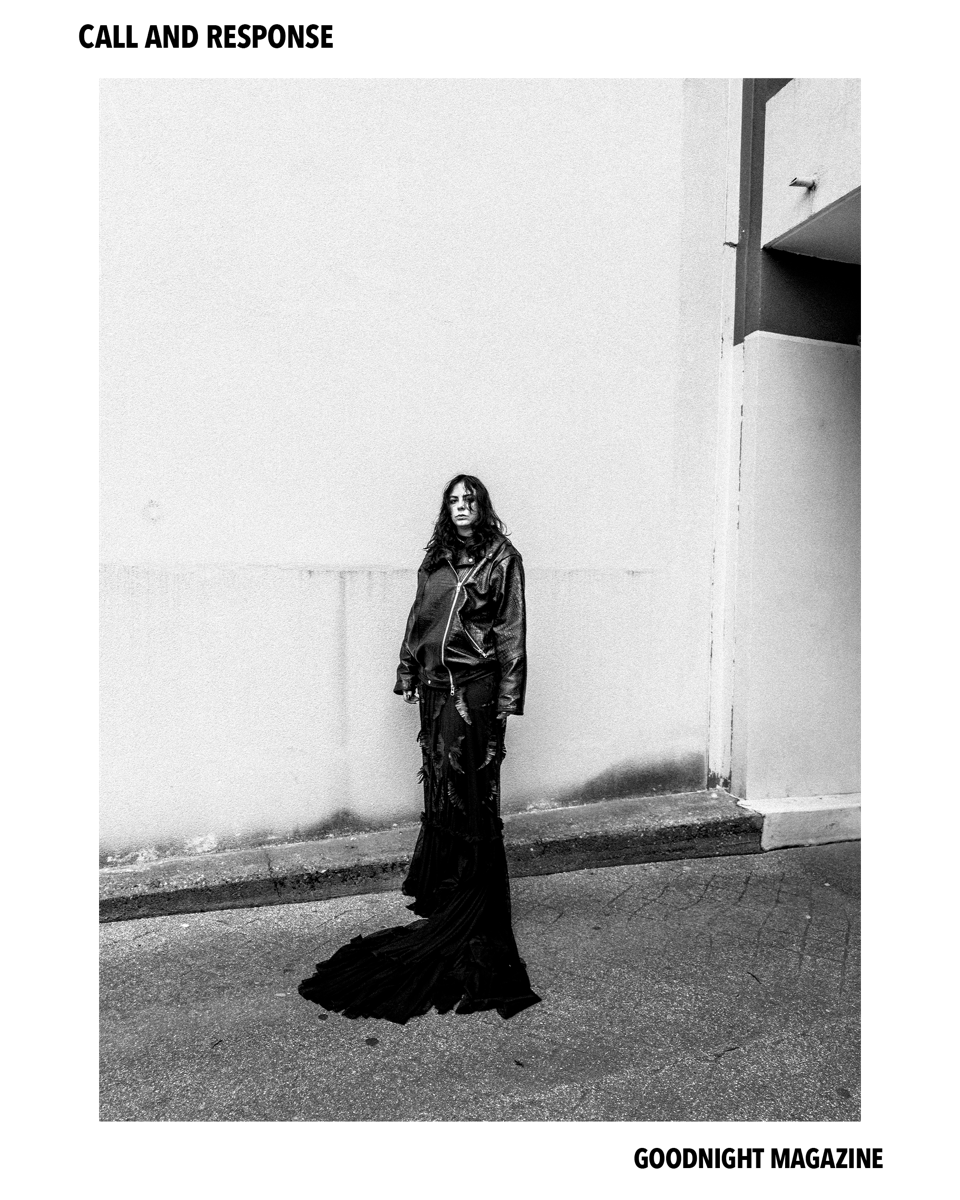
C&R: We work with a lot of leather but it has limited stretch. Stretch leather was difficult to source at the time so we created our own. It works for leggings, pants, fitted jackets- just about anything that requires a lot of stretch. It creates a beautiful texture that can be simple and repetitive or very elaborate in design. It involves a lot of sewing and slashing- very labour intensive but worth it.
GN: Your work is deeply connected to musicians and performers. How does designing for movement, performance, and individuality change the way you think about garments?
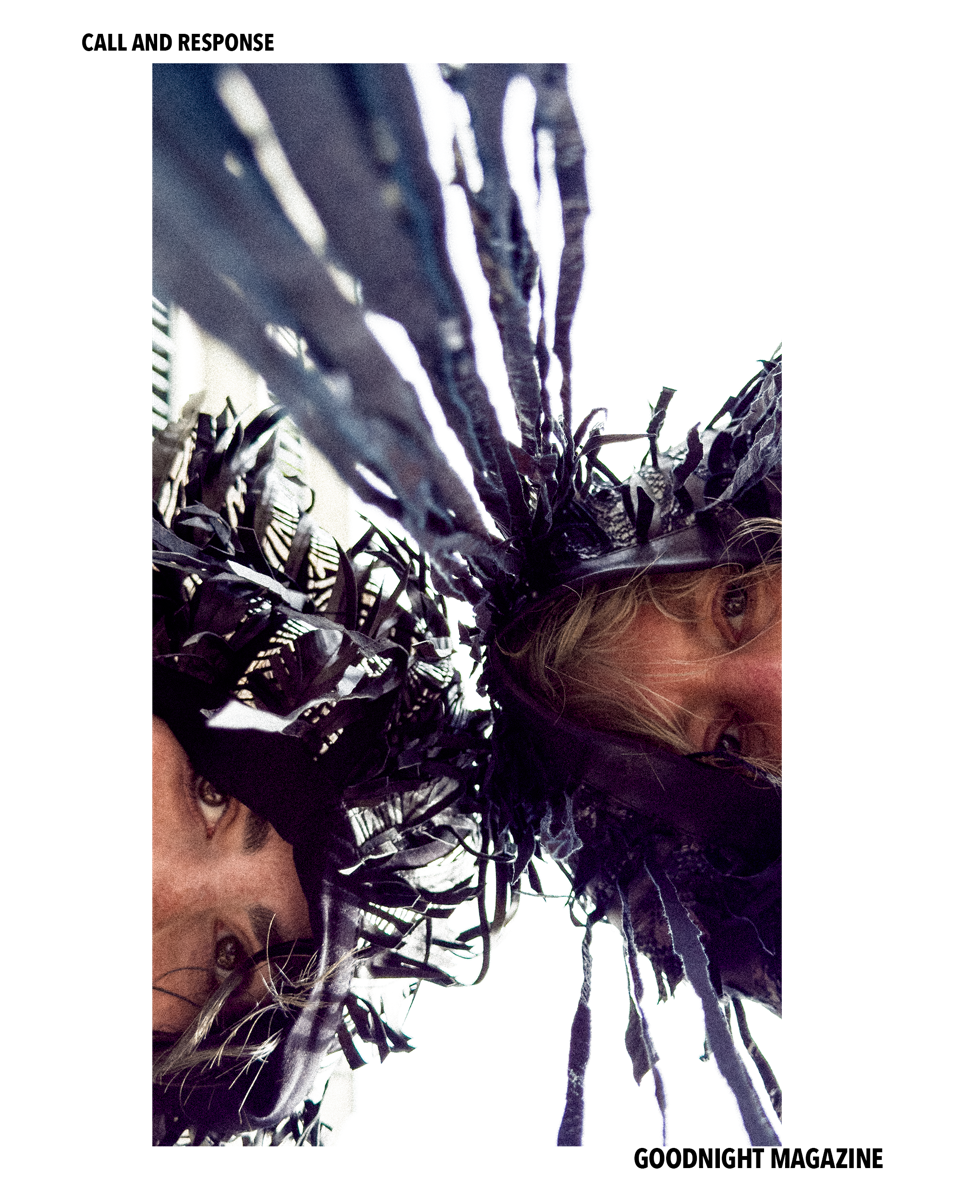
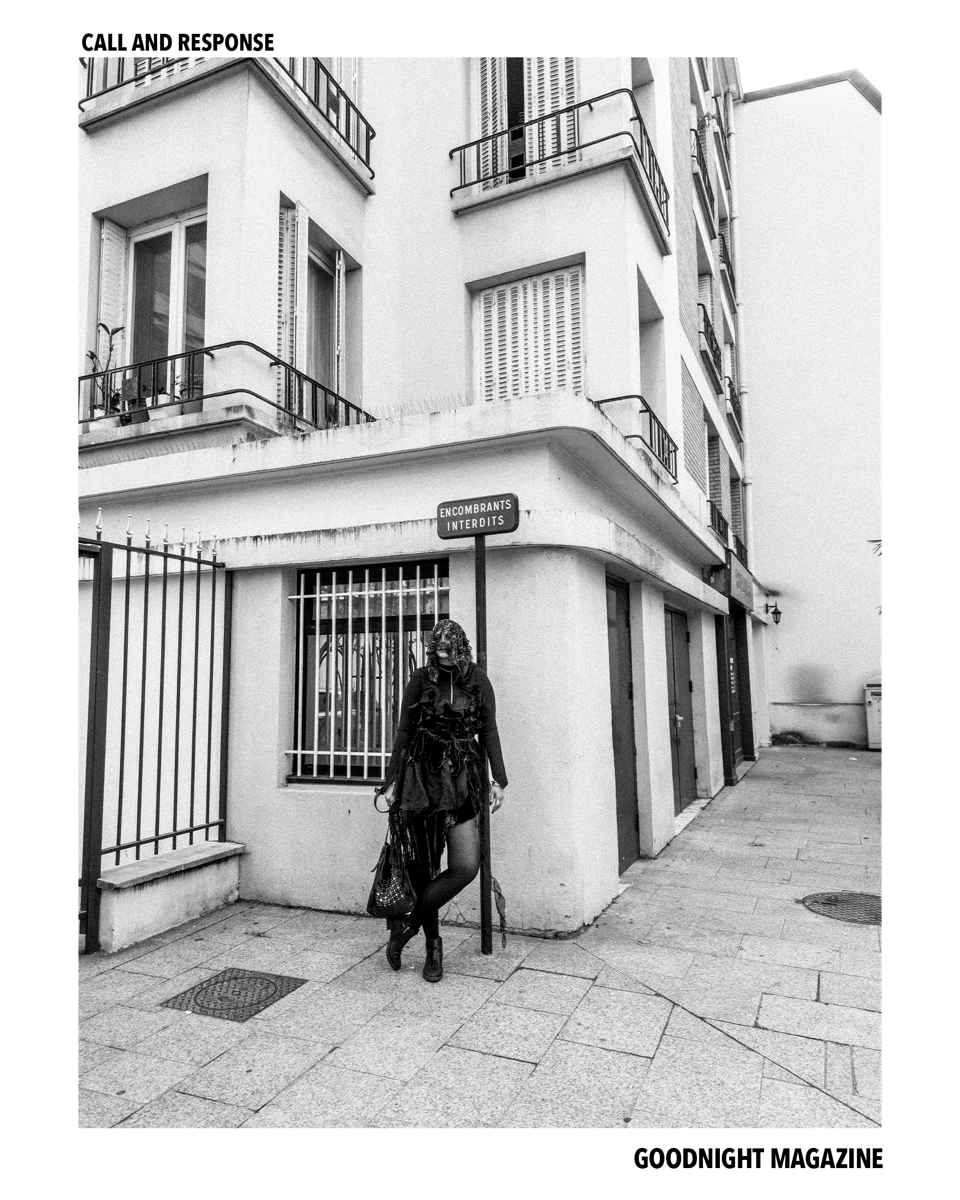
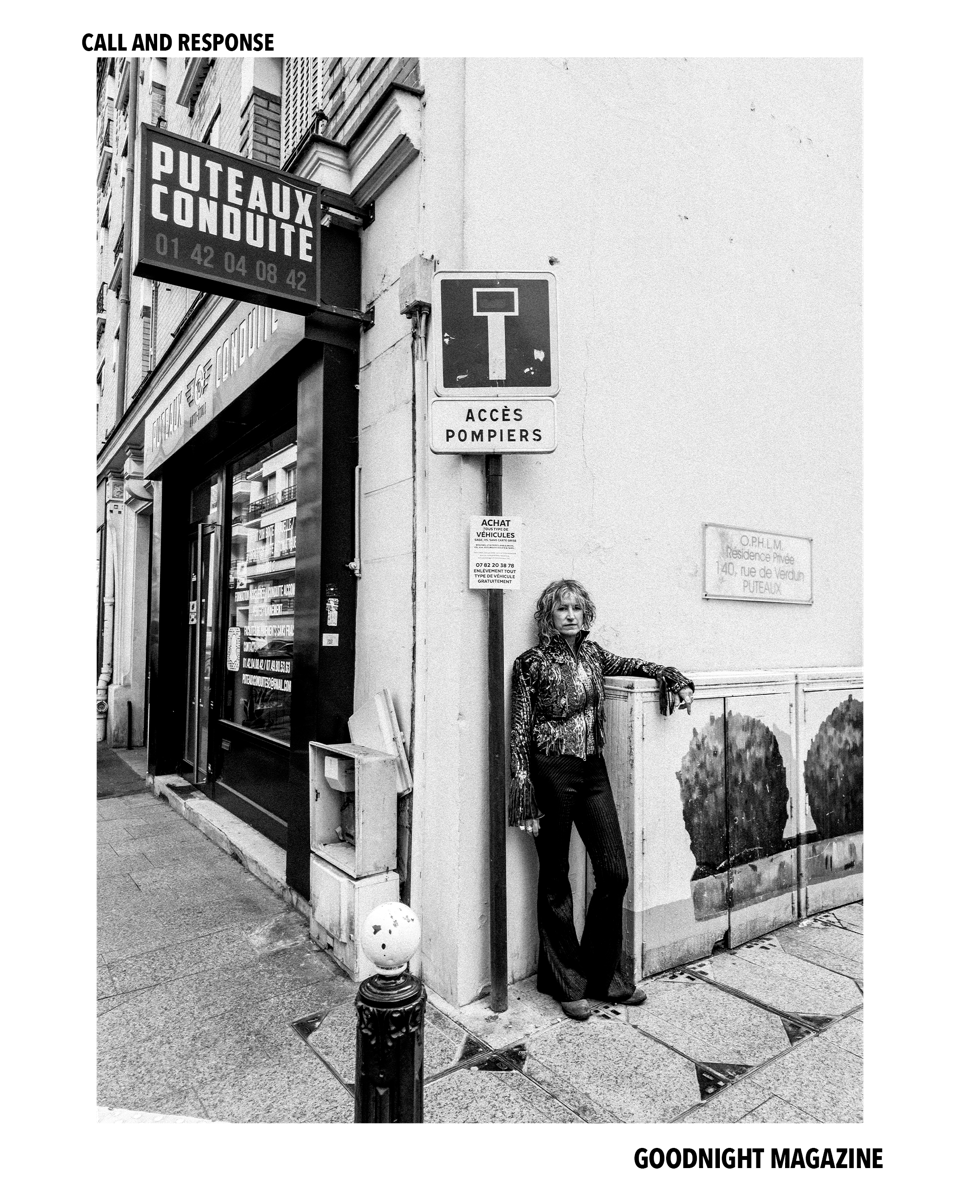
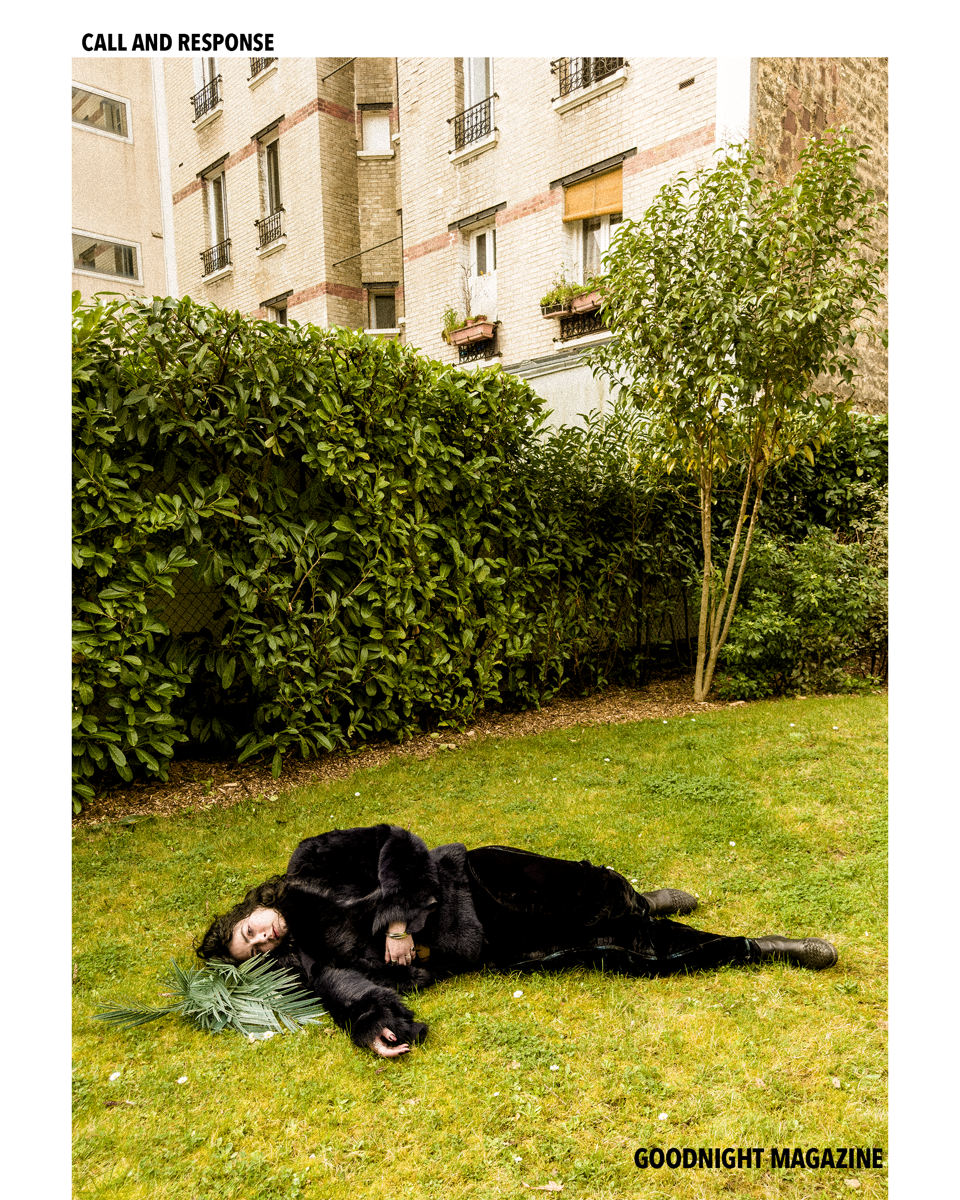
C&R: We hand cut a lot of fringe, we use colours that react well under stage lights, use lighter weight leathers and fabrics, crystals and metal studs and beaded trims to catch light. Depending on musician we’re designing for, there are limitations dependent on their instruments. An oboist needs the right side clear of fringe etc. Likewise for a guitar player - depending on whether they’re left or right handed. Drummers often like sleeveless with some pop of colour or bling.
GN: Music clearly plays a central role in your creative language, with influences ranging from Jimi Hendrix to Nina Simone. How does sound translate into texture, silhouette, or color for you?
C&R: Music affects us all on a personal level and in different ways. We will listen to the musical influences of a musician we’re creating for and it often helps with the direction we want to go.
GN: There’s a beautiful tension in your story between chaos and intention. How do you navigate that balance today as the brand continues to evolve?
C&R: What we’re doing is not easy. A designer coming up with a line has to do that a few times a year for limited number pieces. We are constantly reinventing ourselves. However we just launched a limited ready to wear line at Paris Fashion week and it was very well received. However we will always offer our one off pieces.
GN: Looking at the journey, from a small concept store to a creative space shaped by artists and experimentation, what continues to inspire you to keep exploring?
C&R: We are doing what we love to do.
GN: What does the term “Goodnight” mean to you?
C&R: Depends on day of the week. Weekdays it means signing off for the night with family and getting to bed early looking forward to a new day. On the weekend, it means late nights with live music, food and friends and parting after a full night of enjoyment. Goodnight also means - that’s enough!
Images courtesy of KAM