
joseph baldwin
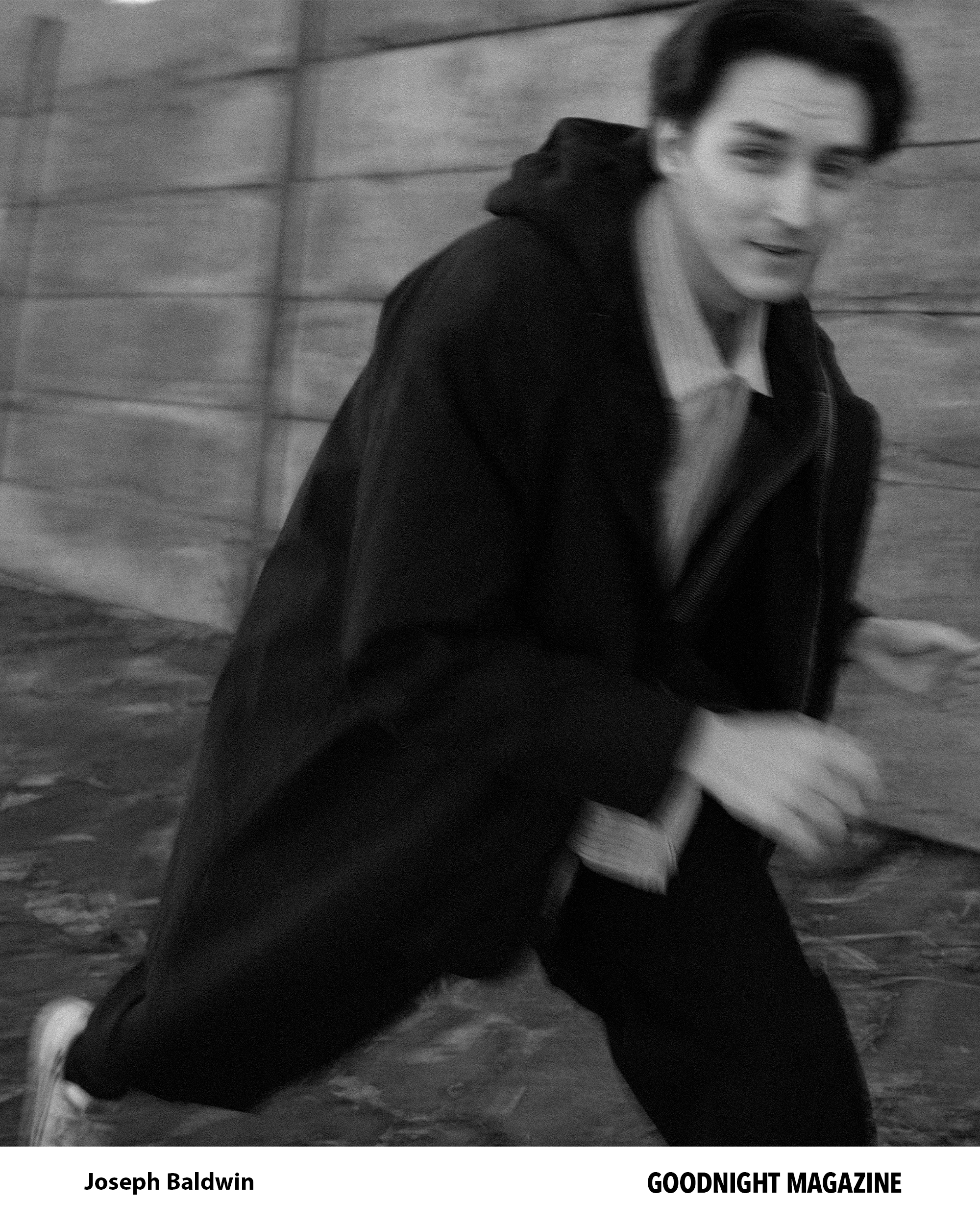
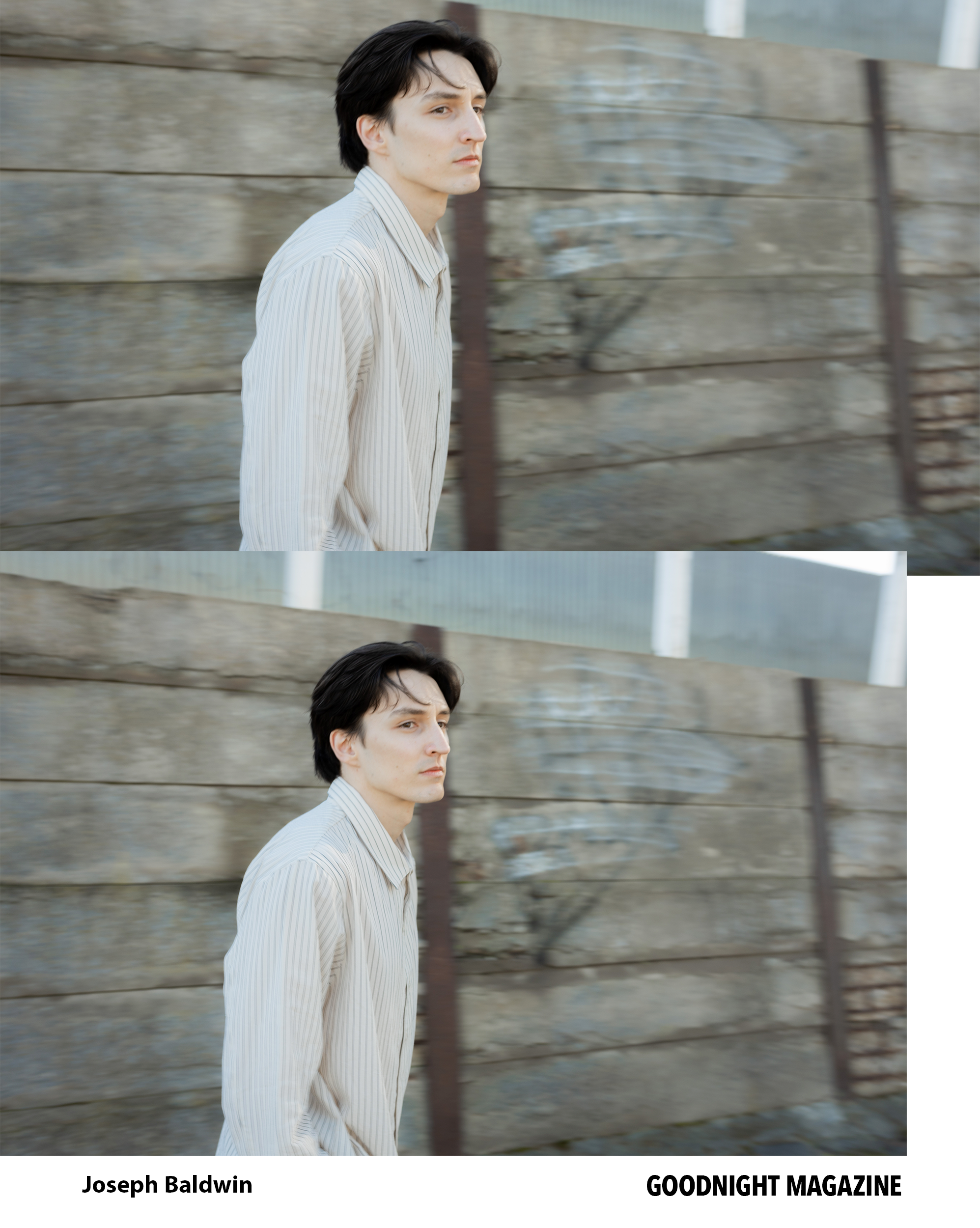
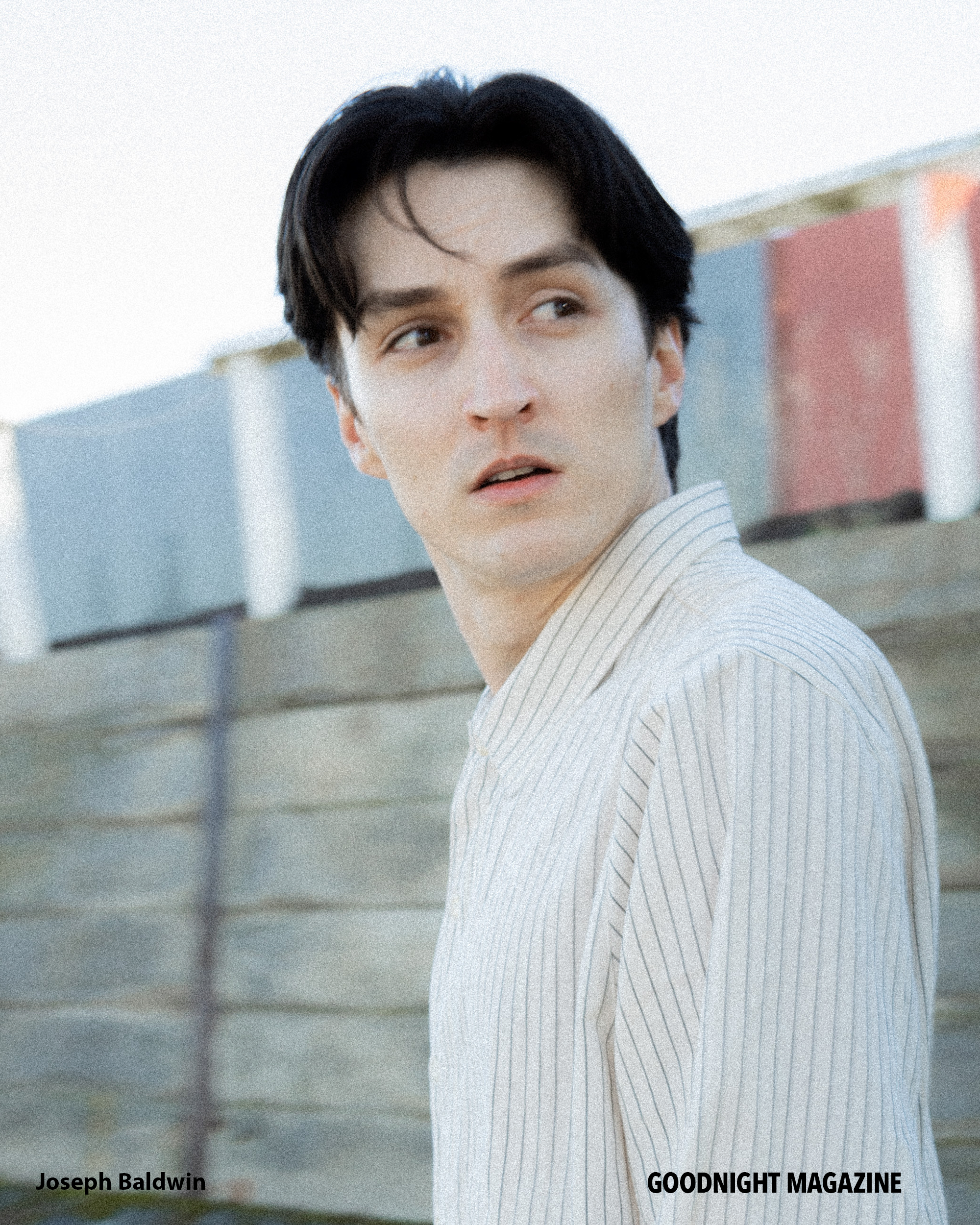
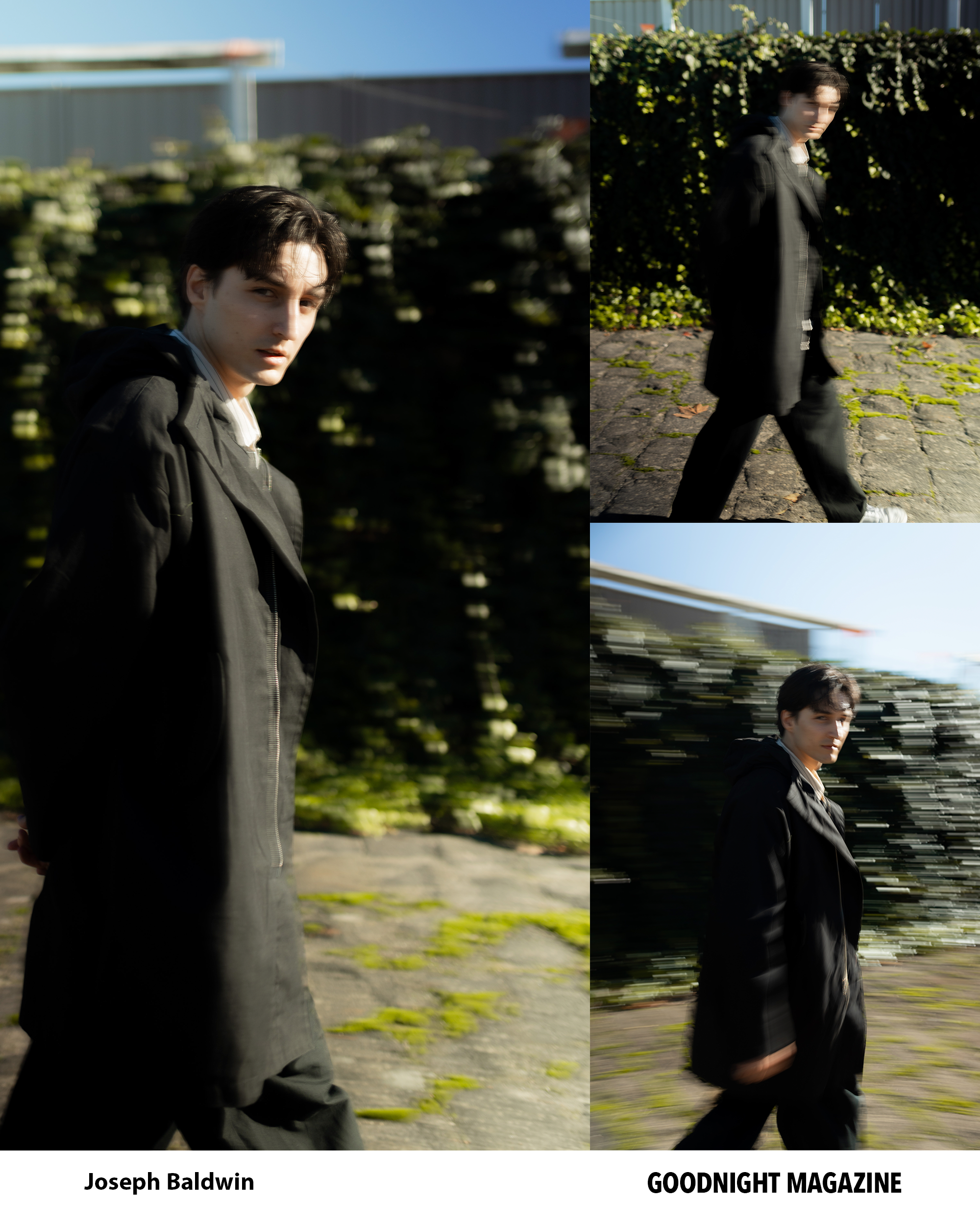
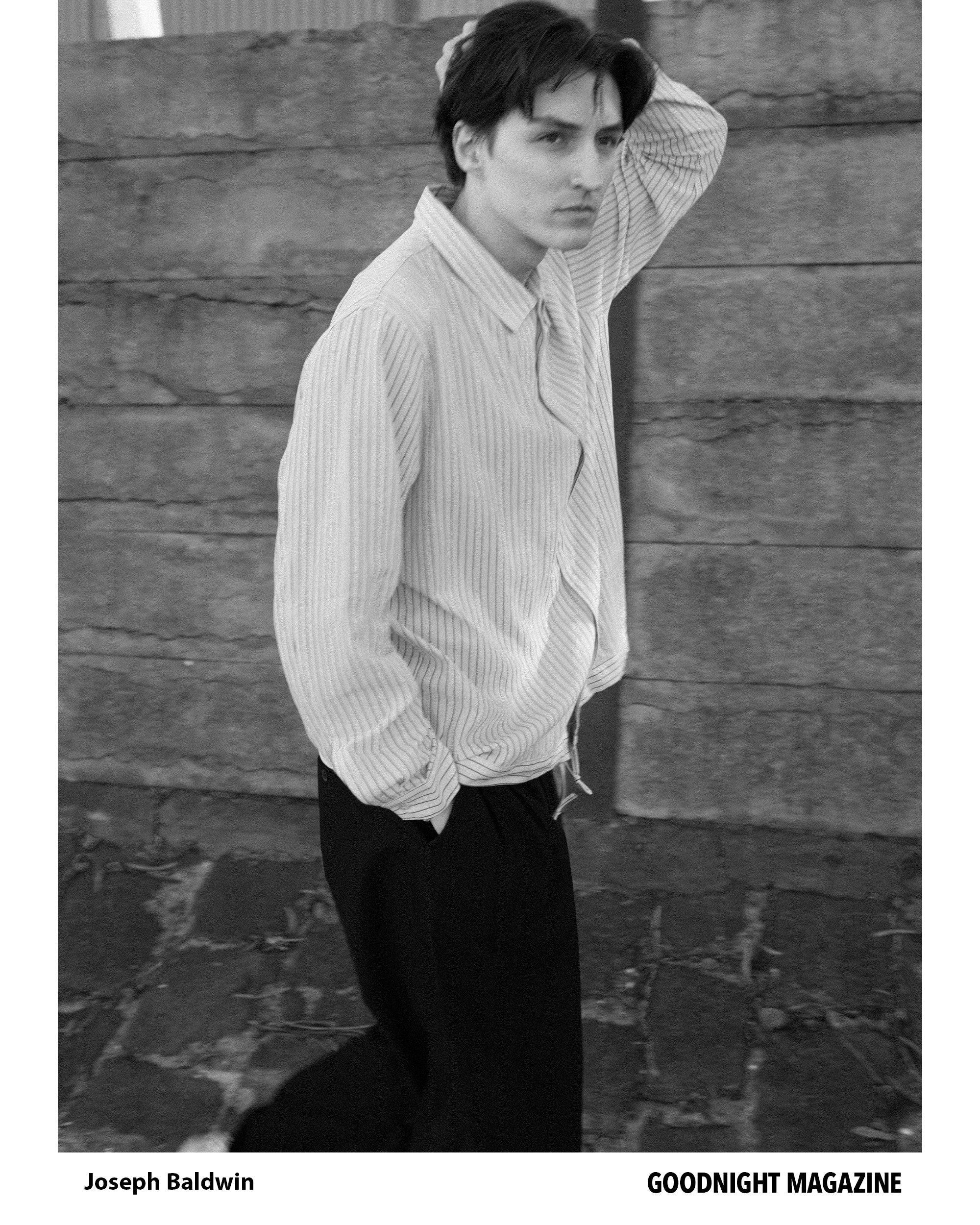
GN: You’ve had a remarkably unconventional journey from biotechnology and elite athletics to acting. At what point did storytelling begin to feel more essential than the path you originally imagined for yourself?
JB: Storytelling has always been an essential part of my life. During my time studying biotech, there was a lot of internal conflict because I knew where I wanted to go but I was on the wrong path. I felt like a bow being drawn tighter and tighter so by the time I got into drama school, all of that stored energy released and the arrow flew straight into the work I’ve always wanted to do.
GN: Growing up in Bendigo, a town shaped by gold rush history, did that environment influence the way you view ambition, identity, or reinvention as an actor?
JB: Growing up in Bendigo, the idea of being an actor felt worlds away. It felt impossible. Luckily my school had a great performing arts program, and my drama teacher, Mr Pease, really encouraged me to consider pursuing it as a career. I’d love to tell you a story about how I fell down a Bendigo mine shaft and crawled home with a broken leg, but I’ll leave that to Paul Thomas Anderson.
GN: Before pursuing acting professionally, you represented Australia in high jump at an international level. How has the discipline and pressure of athletics shaped the way you approach performance and creative work?
JB: High jump is such an individualised sport. A lot of time spent training happens alone at the track, in the gym, or on an oval. Because of this, I had to find enjoyment in the solitude and pushing myself when no one was watching. There’s a lot of parallels between that and preparing for roles. Theatre is a lot more collaborative, but for film and TV, the preparation is usually done alone. Finding enjoyment in the process when no one is watching has been a huge focus throughout my career as an athlete and as an actor. Although the discipline has definitely helped, the sense of play and enjoyment in the work has been the most influential.
GN: You achieved success in both academics and sport at a very young age. Did acting feel like a leap into the unknown compared to those more structured worlds, and were there fears or “nightmare scenarios” you had to overcome in making that transition?
JB: I still have those thoughts, “get a real job”, particularly because I’m at the infancy of my acting career. I absolutely loved school, but it conditioned me to be a massive people-pleaser. Every day I had a list of tasks teachers assigned me and if I completed them, I was rewarded. For years I’ve been trying to undo a lot of those thought patterns that made me a high achiever in high school because they just aren’t useful in this industry. Sometimes, a lot of the time, it takes a long time to see results and it might feel like you’re not getting anywhere, but you’re just early in the process. So for me it really is an ongoing relationship with these “nightmare scenarios” and reminding myself to be patient and to enjoy the process.
GN: Your work often seems rooted in authenticity and emotional honesty. What aspects of the human experience are you most drawn to exploring through film and performance?
JB: I explored the role of Edmund from Long Day’s Journey Into Night by Eugene O’Neill for a couple of years while at drama school for my own character work. A major aspect of that process was exploring his life experience through the senses. This meant his years at sea, his love for being in the fog, and his tuberculosis. Creating each of these elements of his life through the senses, the sound of the crashing waves at sea, the cold wind in the fog, the pain in the lungs, the weakness in the body, made it easier to connect to the human being on the page. Using the senses to ground myself in the roles I work on is one of my favourite things to do as an actor, and I’m definitely drawn to roles with complex experiences that can be explored sensorially.
GN: You trained under Peter Kalos at the Melbourne Actors Lab before graduating from WAAPA in 2023. What was one lesson during that period that fundamentally changed the way you understand acting?
JB: Some of the best acting I’ve ever seen was at the Lab’s Brunswick studio way back in 2017 under Peter’s guidance. Scenes from The Lonesome West. There was something so raw and honest about what I saw that really drew me in to Peter’s process at the start of my career. It felt like we were looking through a window and watching these humans unravel on stage. The work was so real and personal that it was unsettling to watch. Like we were invading their privacy. That level of honesty is something I strive for in every role I work on, and I was lucky to have Peter instil this deep understanding and passion for the truth at the start of my acting journey.
GN: Without revealing too much, how would you describe the kinds of stories, emotions, or even dreams that creatively inspire you most at this stage of your career?
JB: I’ve been loving the new-age horror lately, and the stories being told are gritty and inspiring. Working on Saccharine and with Nat and her super collaborative directing style was a privilege. Other stories like Obsession and Backrooms that are backed by low budgets and pioneered by young directors are paving the way for the next chapter of Hollywood that I’m pumped to be a part of. Filmmakers that are producing films independently and not waiting for studio backing, even if unpolished and flawed, have always inspired me more than highly manufactured stories.
GN: As someone who has moved between science, sport, and the arts, do you find yourself approaching characters analytically, emotionally, or somewhere in between?
JB: I used to have a very analytical approach to the work which I still think is a necessary part of the process. Understanding all of the technical elements, at least in the early days, can be super helpful. But looking back, the rigidity was actually adding unnecessary friction. It stemmed from self-doubt and this need to prove to myself I was doing the work. But the best work I do is when it doesn’t feel like work. It’s when it’s instinctive and relaxed, and that can only happen for me when I let go of the analysis, the technical, the mind, and work from the heart.
GN: Acting often requires vulnerability in front of strangers and cameras alike. When the day finally winds down, how do you disconnect from the intensity of work and settle your mind at night?
JB: For me, being vulnerable in front of a camera doesn’t feel any different from being vulnerable away from the camera. How do we recover from those big moments in our lives? Light a sandalwood candle? Take a long bath? Go for a walk? Listen to John Denver? It depends on the type of scene I’ve just shot, but it usually involves one of those, probably the latter. Definitely the latter.
GN: As a final question for Goodnight Magazine, what does your personal nightly routine look like to ensure yourself a truly good night?
JB: Sleeping in a cold room is the only routine I’ll ever need for a good night sleep. I love it chilly!
joseph baldwin creative soul management
photography by lincoln rogers photography
style: kloke