
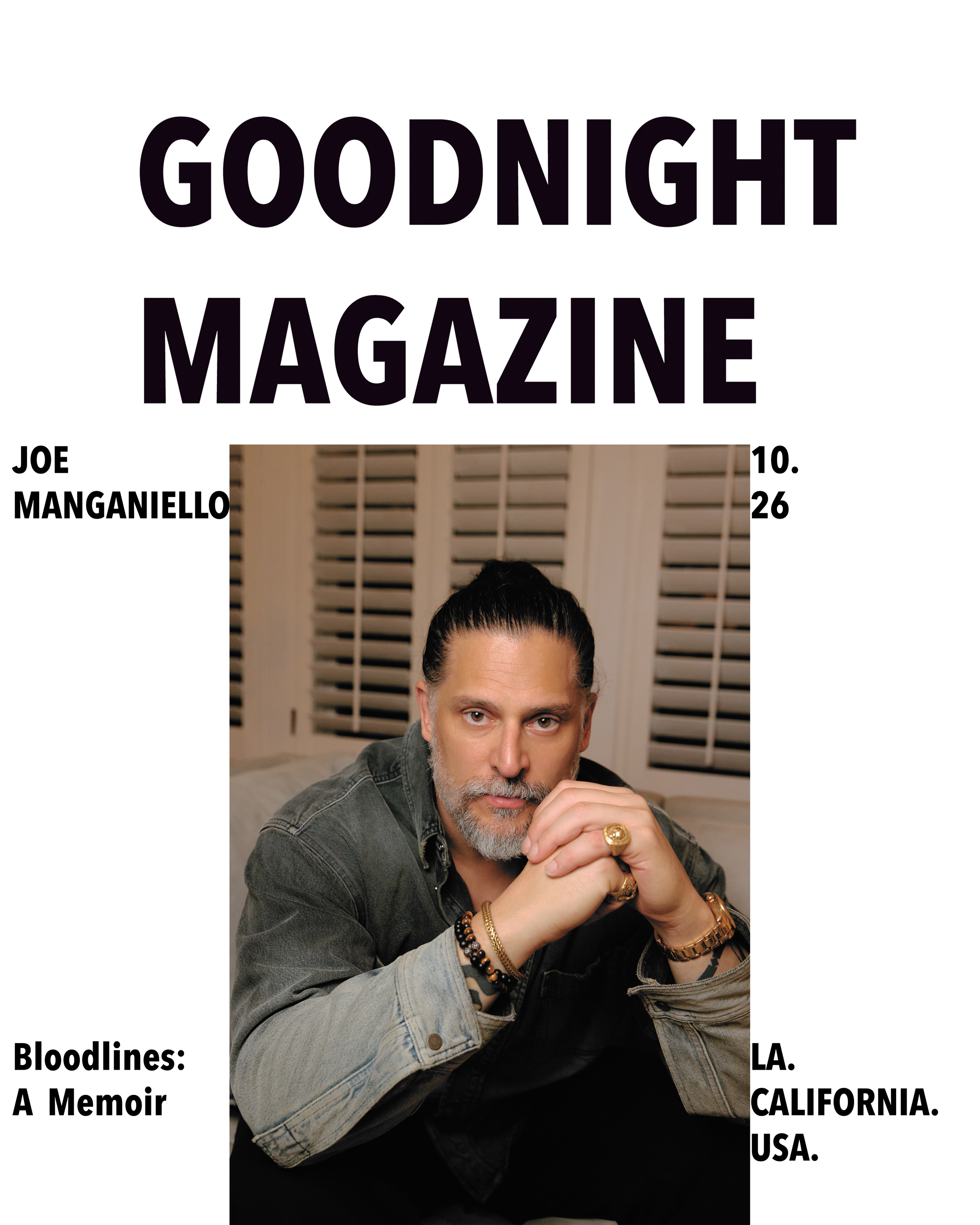
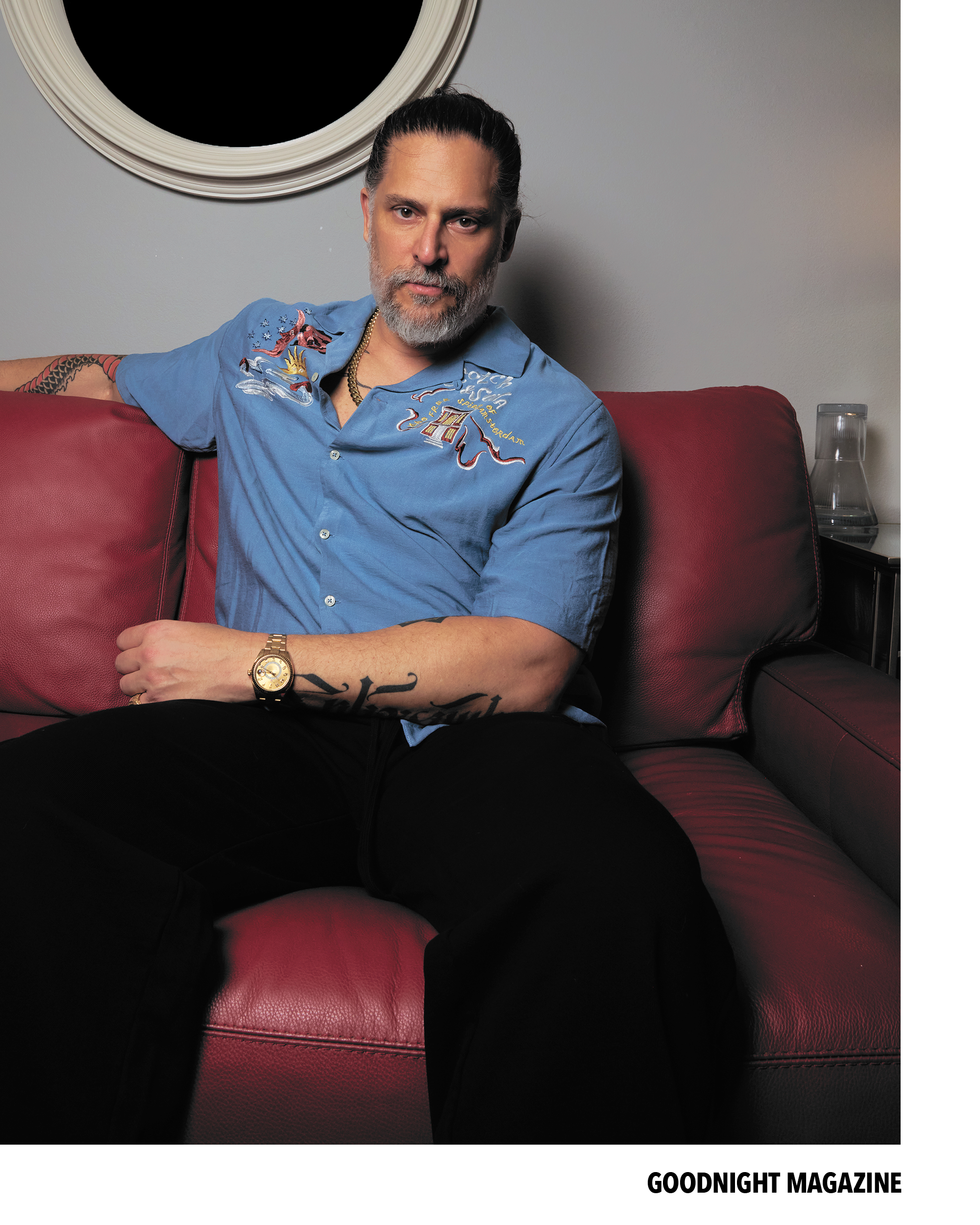
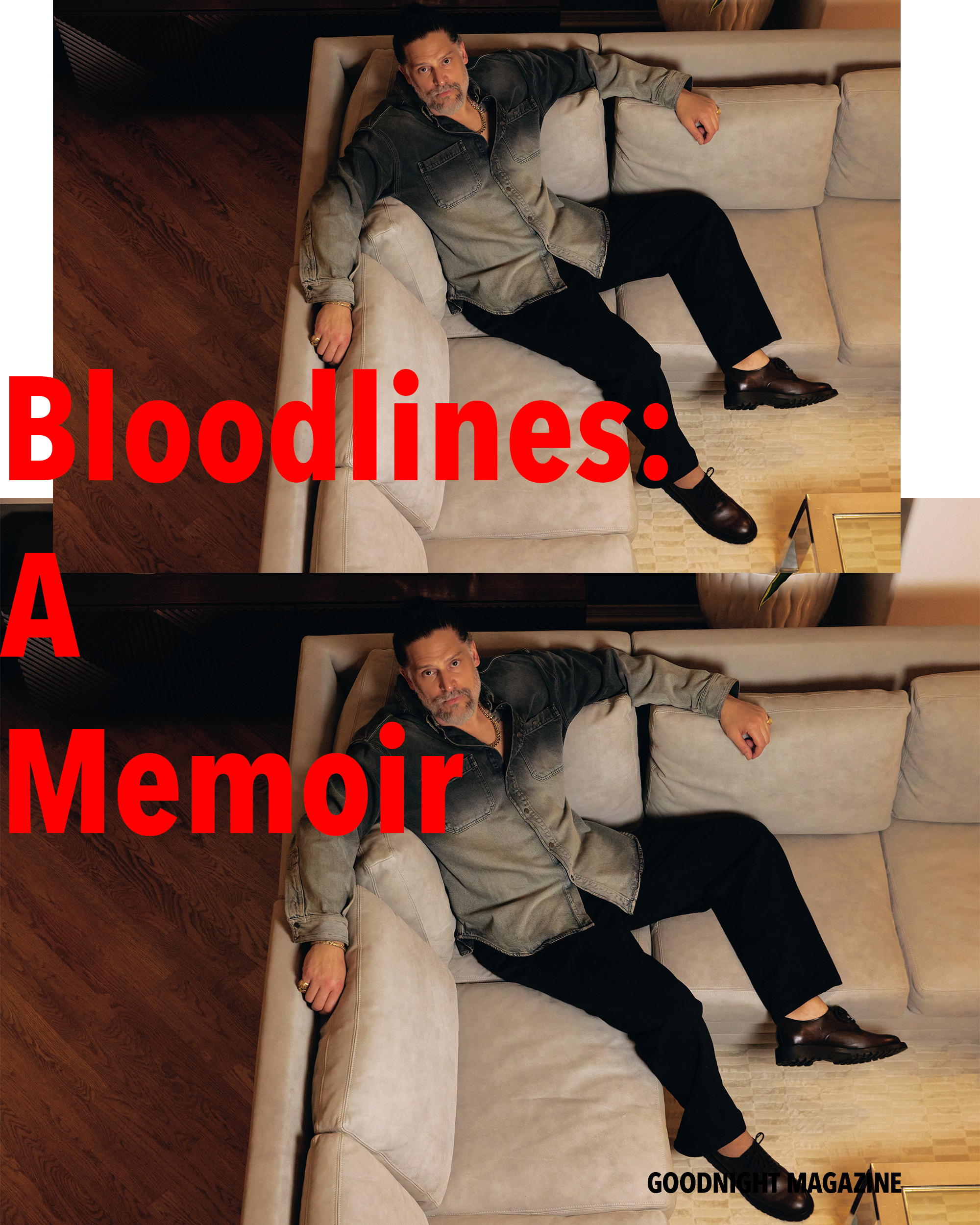
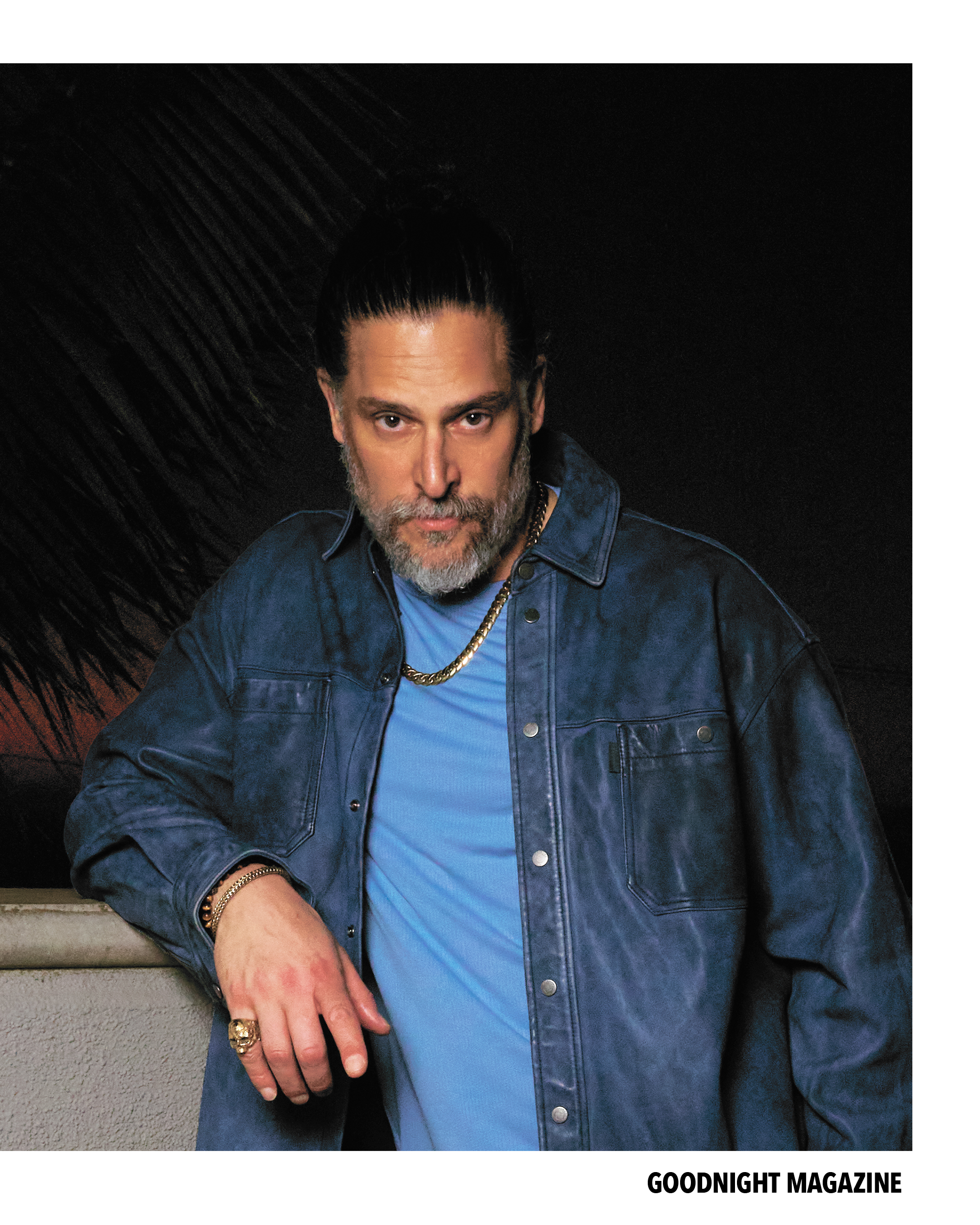
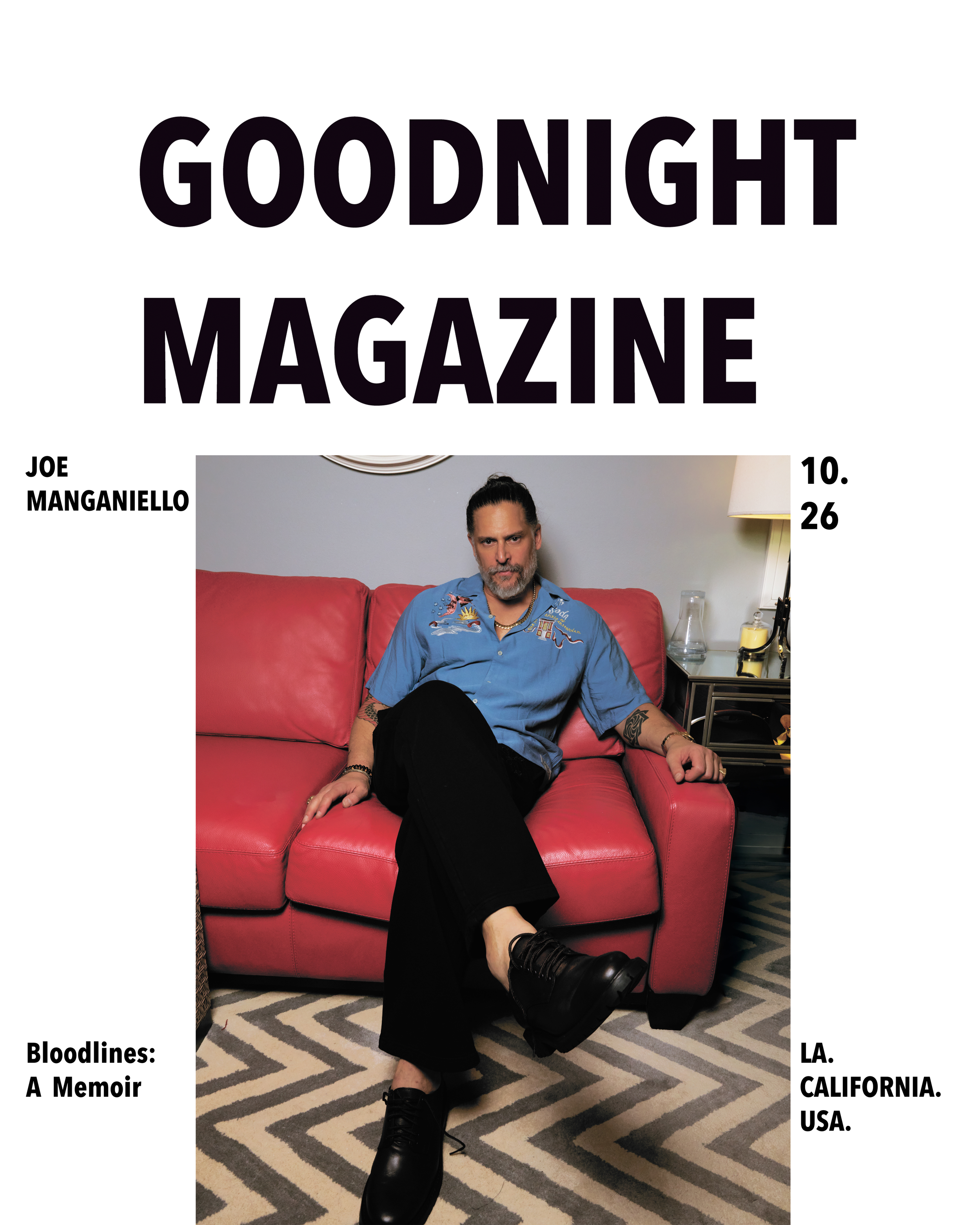
joe manganiello
photographer: exavier castro
stylist: kimberly goodnight
groomer: veronica nunez with art department
using dior beauty and kerastase hair
production: media playground pr
GN: Bloodlines tells a side of your life that most people knew nothing about. Why did now feel like the right time to finally tell this story?
JM: I decided that I wanted to live authentically, rather than feel closeted by my illness. I was tired of pretending to be someone else and being treated like someone I wasn’t. I knew that if I came out with everything, other people who were suffering would begin to talk about what they were going through and that healing for them might be possible. Once I made the decision to reveal the truth in long form, aka: the book, there was only one way to go.
GN: You spent years dealing with serious health issues while still maintaining a very public career. How difficult was it to keep that part of your life private?
JM: Clearly I trusted the right people. The COVID pandemic also helped me to hide because people weren’t going out of the house as much. My career suffered in many ways during this time as the big jobs all fell through. It was all necessary in order for me to fully come out of the other side a new person.
GN: When your body suddenly began working against you, what was the hardest part of accepting that your life had changed?
JM: The existential crisis… I initially lost faith in god because of how severe and sudden the illness came on and because of how long it lasted. BLOODLINES is my document of the spiritual journey I was taken on over the last decade in sickness and beyond.
GN: Was there one moment during those seven years when you realized just how serious your situation had become?
JM: When my intestine was removed and I lost 60lbs, then has a massive seizure, and had to re-teach my legs to walk, the flu I had for four months, the off and on suicidal ideation, then seven years into the illness, being in acute, chronic pain for nine months… the seven years I was sick, was relentless in its torture… it was like torture the entire time.
GN: The book explores the idea of strength in a very different way from how people may have viewed you from the outside. What does being strong mean to you today?
JM: The superficial obsession with my outside appearance wasn’t shared by me. I never saw myself as being only that. I’ve always been very spiritual and an intellectual. I glad to see that people are now waking up to that, I suppose if there’s something to be grateful for in terms of my illness, it’s that people seem to be seeing the real me through the fog of the one dimensional person I’ve been depicted as by the press.
GN: Your search for answers eventually took you beyond traditional medicine and into spirituality, ancient traditions, and your own ancestry. What surprised you most about that journey?
JM: I was dragged down that path initially. I didn’t go looking for alternative methods, they all found me. I had an open mind because of my love of Jung and Joseph Campbell. Seeing proof of the invisible world is always a bit surprising. Western culture is so devoid of it u less it fits within a very particular set of boundaries. I found it refreshing to get out into the world and experience other beliefs and ancient cultures.
GN: The book looks at how trauma can travel through generations. What did you learn about the things we may carry from our families without even realizing it?
JM: The atrocities committed by humans to other humans have long lasting repercussions. By talking about them and respecting our ancestors struggles in the past, we can heal in the present.
GN: After everything you went through, has your relationship with ambition changed? Are the things you want from life different now?
JM: There are things that matter, and things that don’t, and that hasn’t changed. I feel that I am now in alignment with what the universe put me here to do. With that said, the book was the closing of a chapter, and the beginning of another…
GN: Writing about such personal experiences can mean reliving them. Was there a part of Bloodlines that was especially difficult for you to put on the page?
JM: Writing the detailed story of my great-grandmother’s struggles during her escape from the Armenian Genocide was horrific, as was re-living my own suffering during the darkest moments of my illness.
GN: What do you hope someone facing their own difficult or unexplained chapter in life takes away from reading Bloodlines?
JM: There are a thousand different layers to the book, everyone is going to take something different away, but if I had to sum it up in one word… HOPE.
GN: You’ve spent much of your career telling other people’s stories as an actor. What was it like to finally sit down and tell your own?
JM: I’ve done that almost every week since child hood with table top role playing games and with screen-writing. It’s nothing new.
GN: Writing Bloodlines required you to be much more personally revealing than playing a character. Did you find writing about yourself more challenging than acting?
JM: Every character is me and all of the backstories are filled in by me… its the same as being hired to adapt a novel to the screen except that the core material was my own life, and the lives of my ancestors.
GN: After becoming an author, do you think you’ll approach acting or the characters you choose differently?
JM: I became an author years ago with my first book EVOLUTION, but that was obviously a very different type of book. I’ve done a lot of writing and rewriting of scripts for projects in which I produce and act.
GN: Now that you’ve written your first memoir, has the experience made you want to write more and could you see yourself creating your own film, television, or book projects in the future?
JM: I’ve been hired to write and develop TV shows and films before. I’ve been doing that for years… clearly there is a lot about me that people don’t know.
GN: After a long or difficult day, what does a genuinely good night look like for you now?
JM: Same as it’s always been, unwind and spend time with the people I love.
GN: Do you have a nightly routine or ritual that helps you shut everything off and find some peace?
JM: I could fall asleep anywhere anytime.
GN: After everything this journey has taught you about life, family, survival, and yourself, what does the word “Goodnight” mean to you today?
JM: As a shaman once said to me, “you’re a dead man, you’ve been to the other side and back, and dead men sleep.”
Wearing Brands:
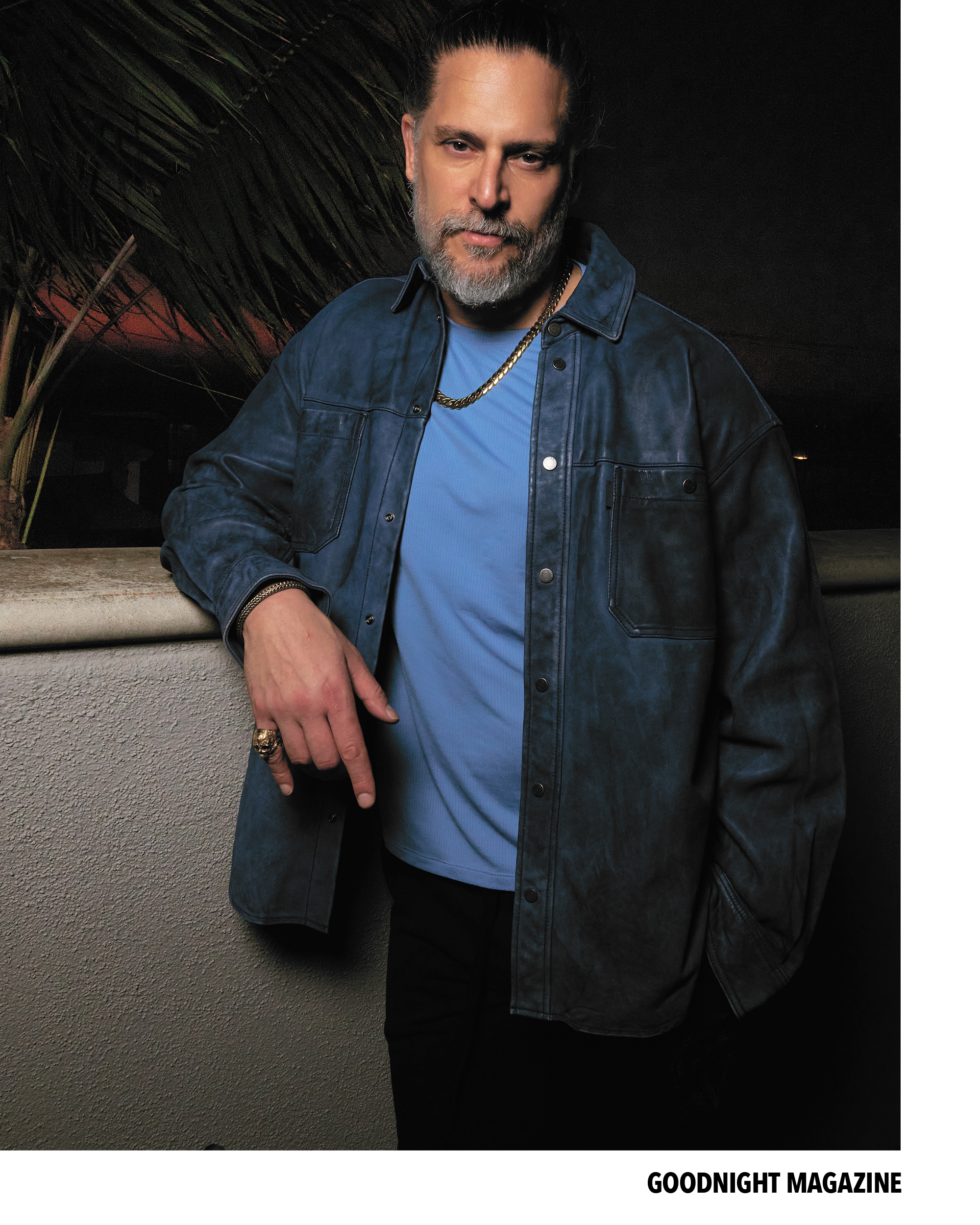
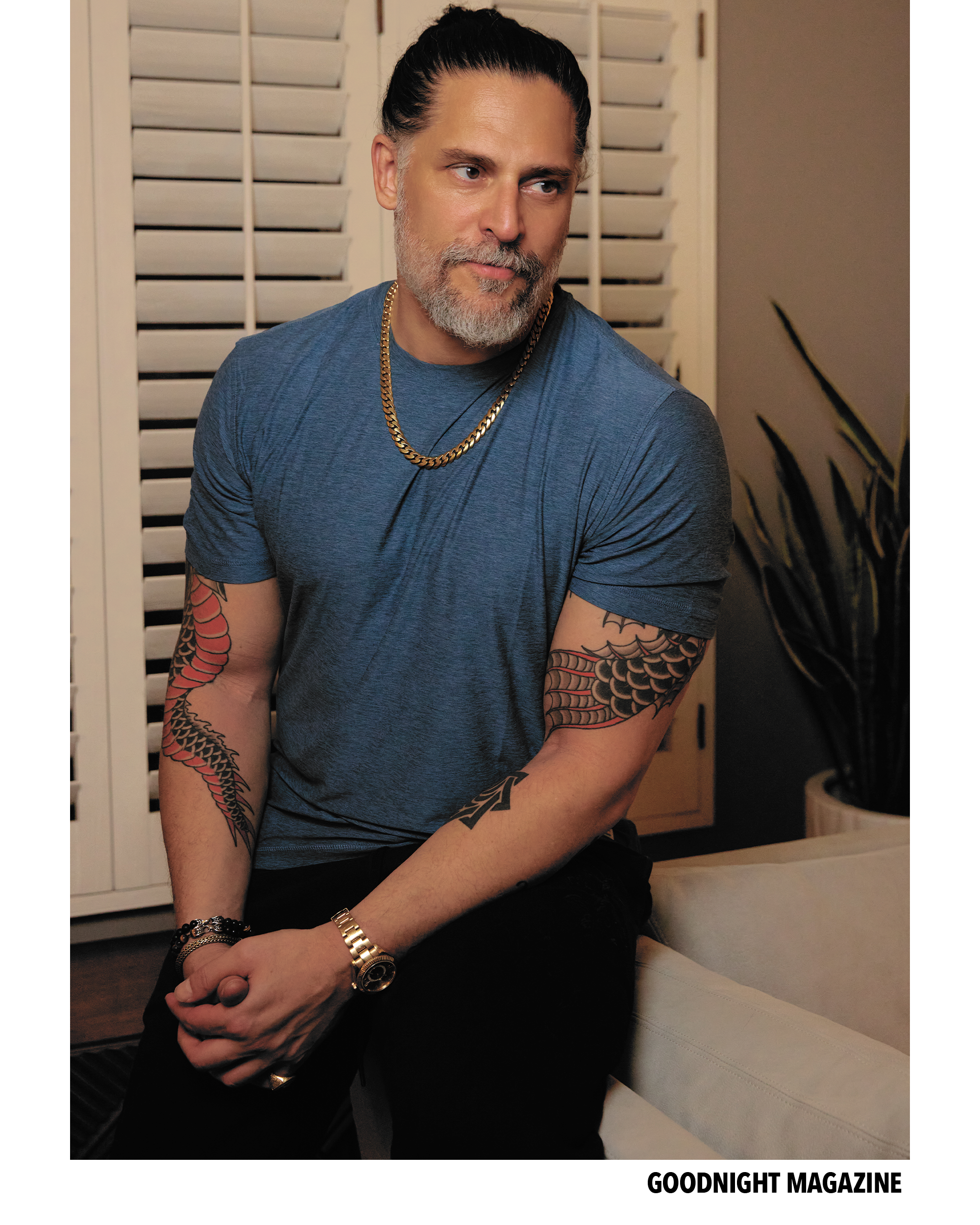
Haikure, Scotch&Soda, Vuori, Geoff Thomas Jewelry, John Hardy Bracelet, Thursday Boots