
sean pitaro edm aritist
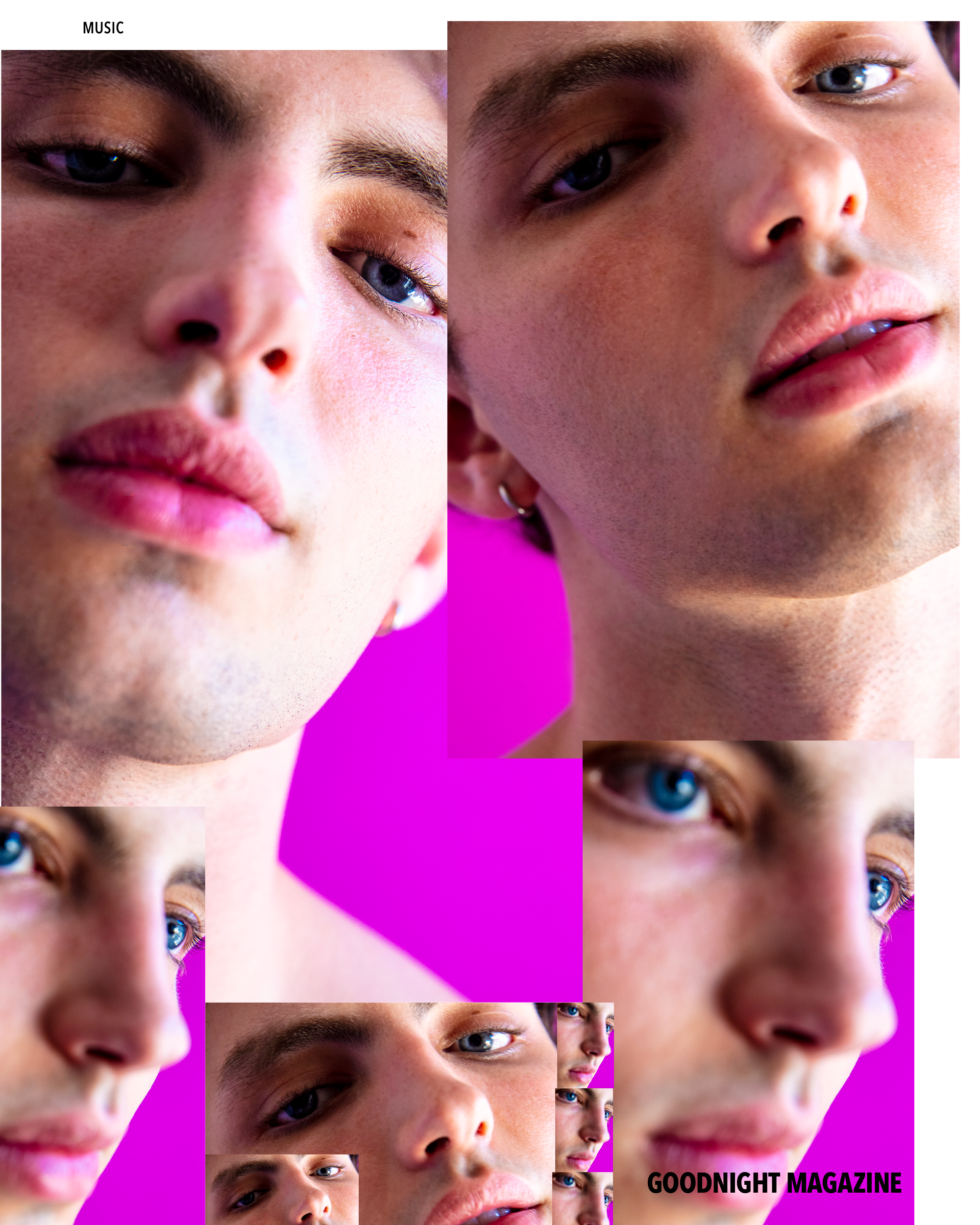
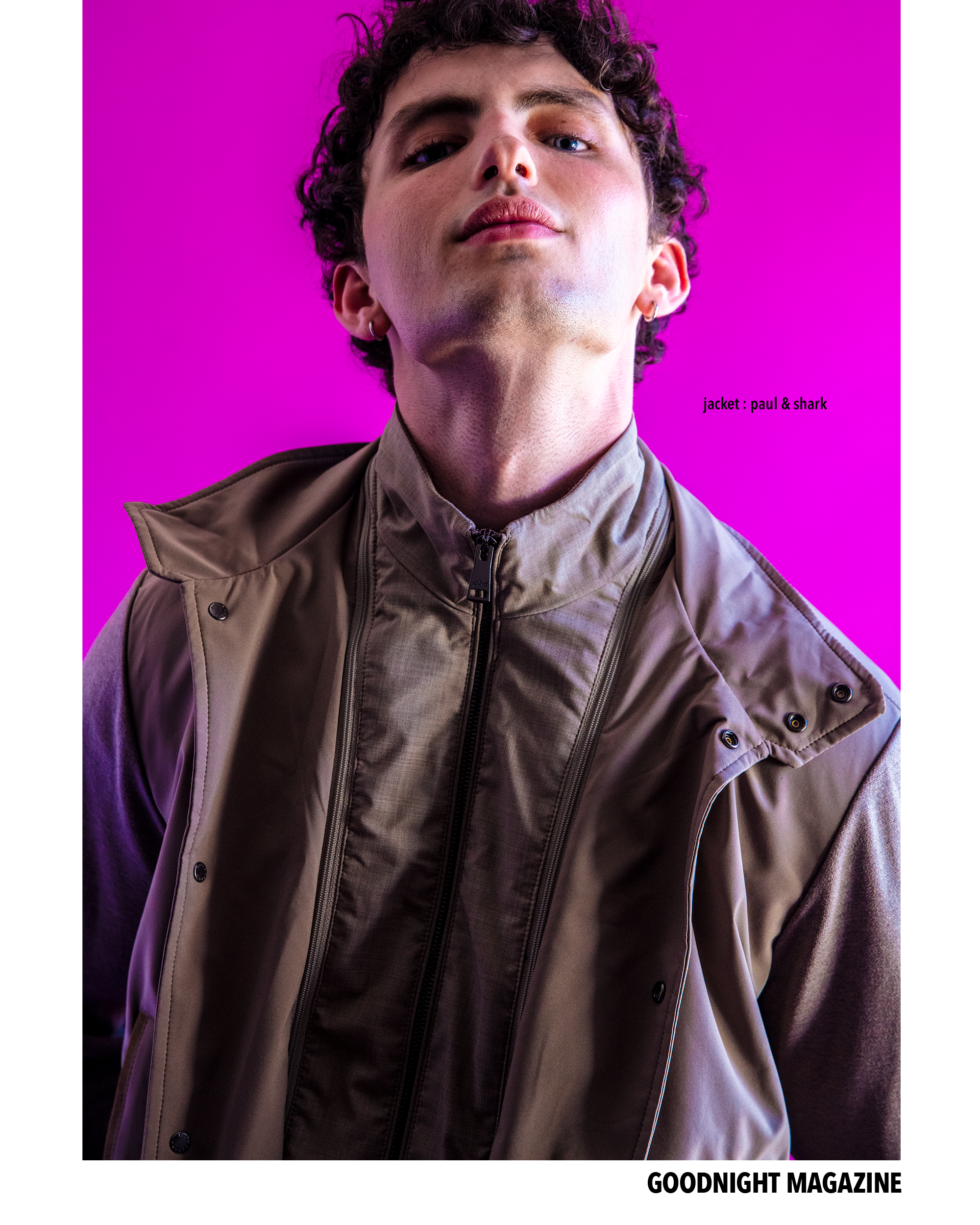
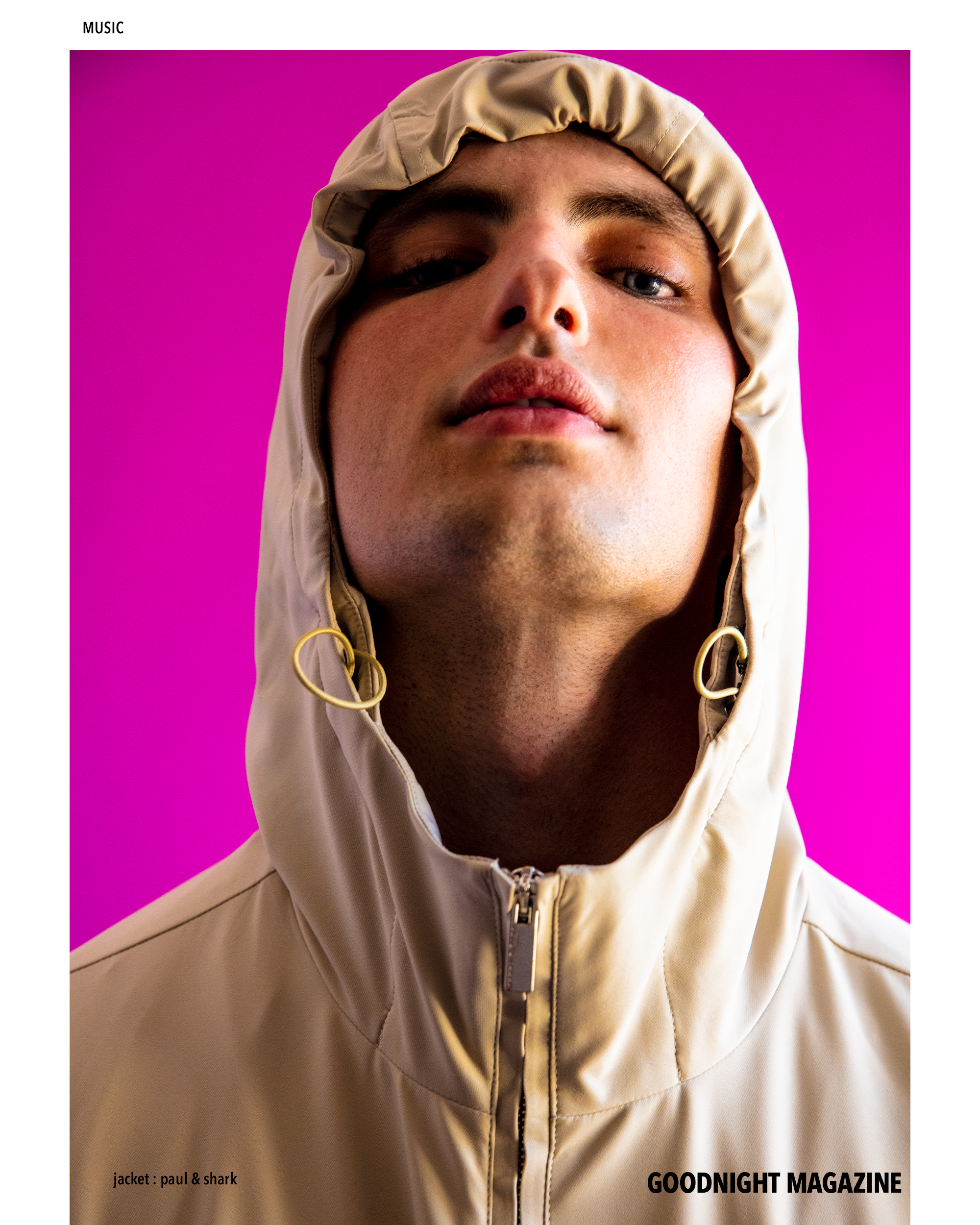
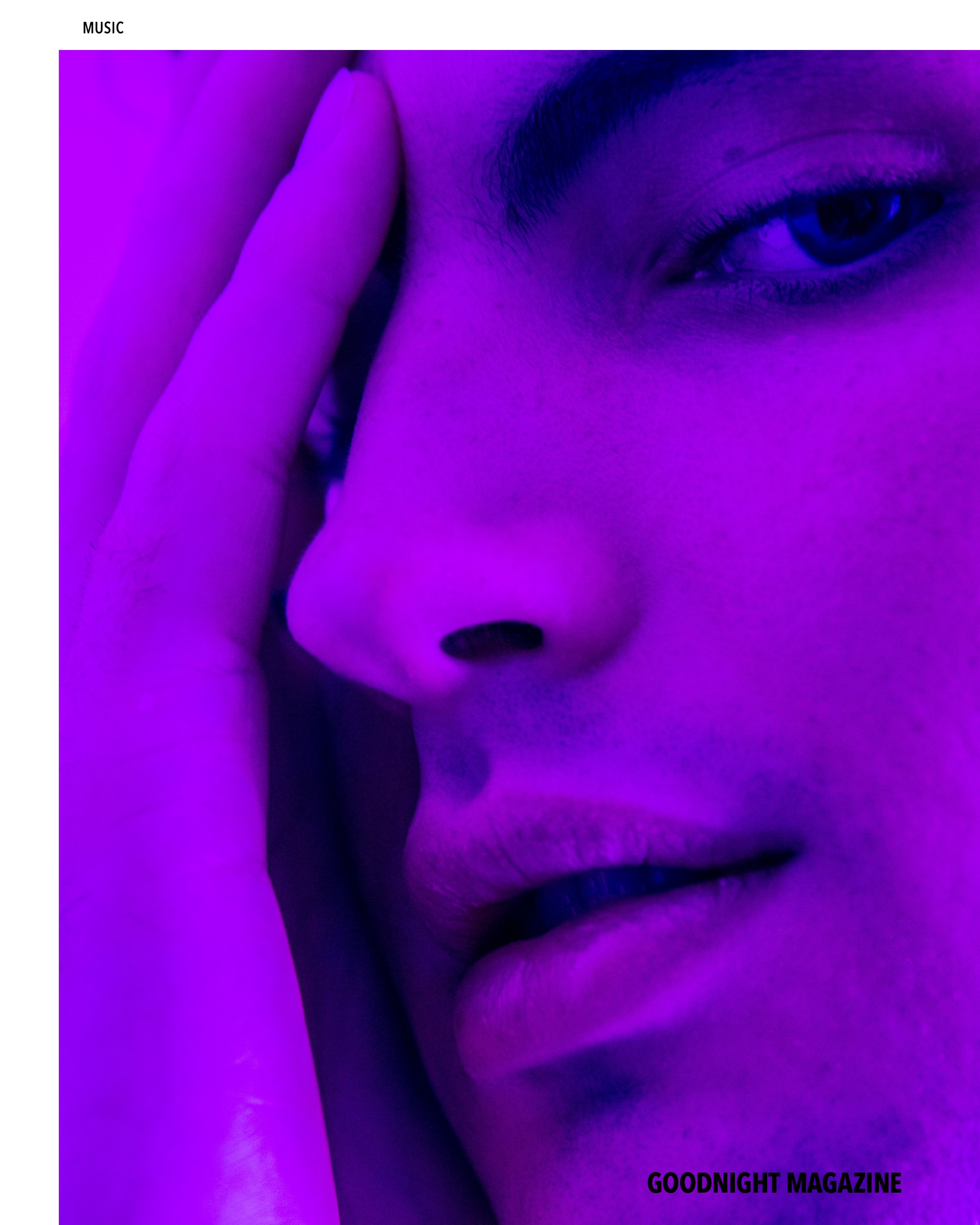
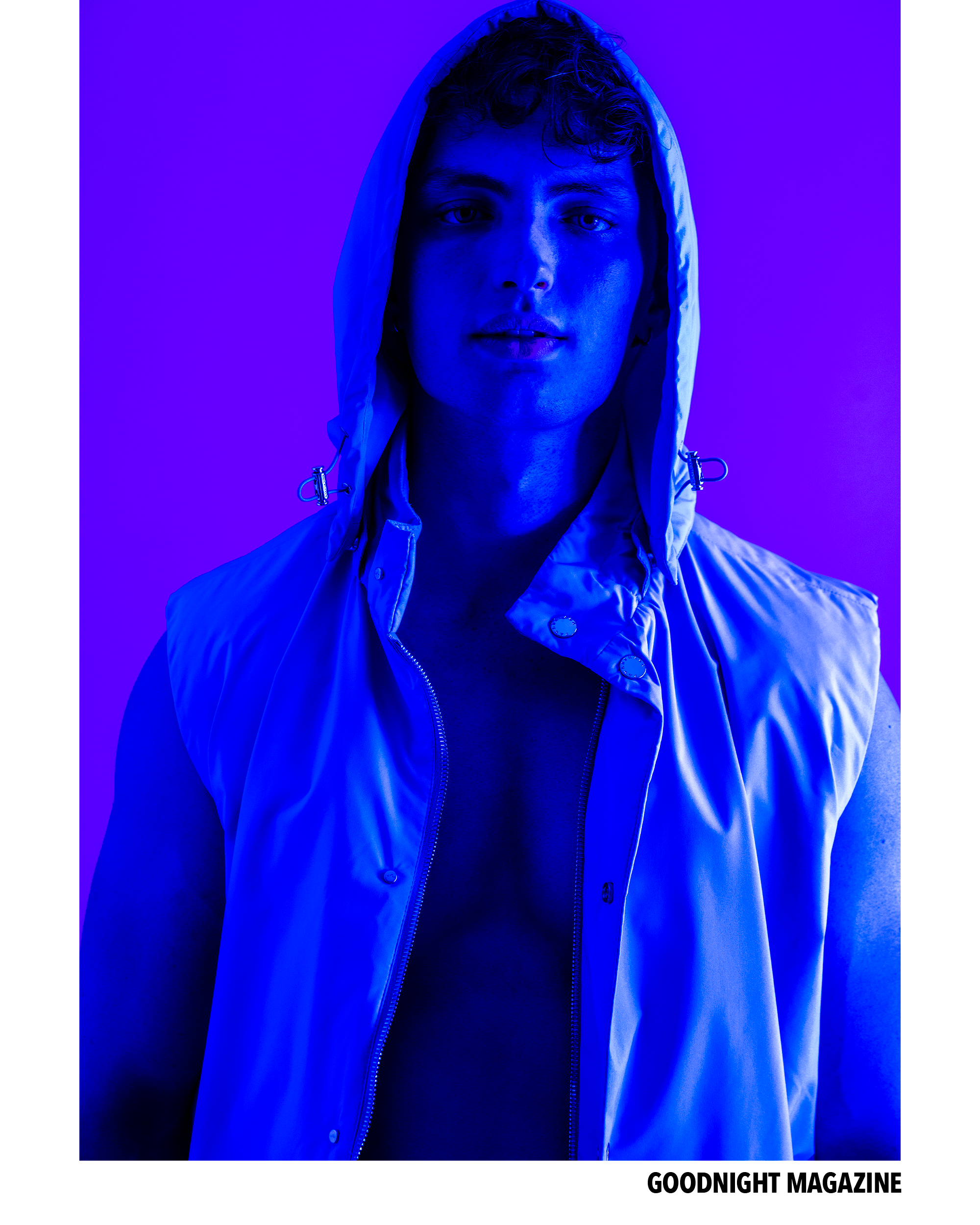
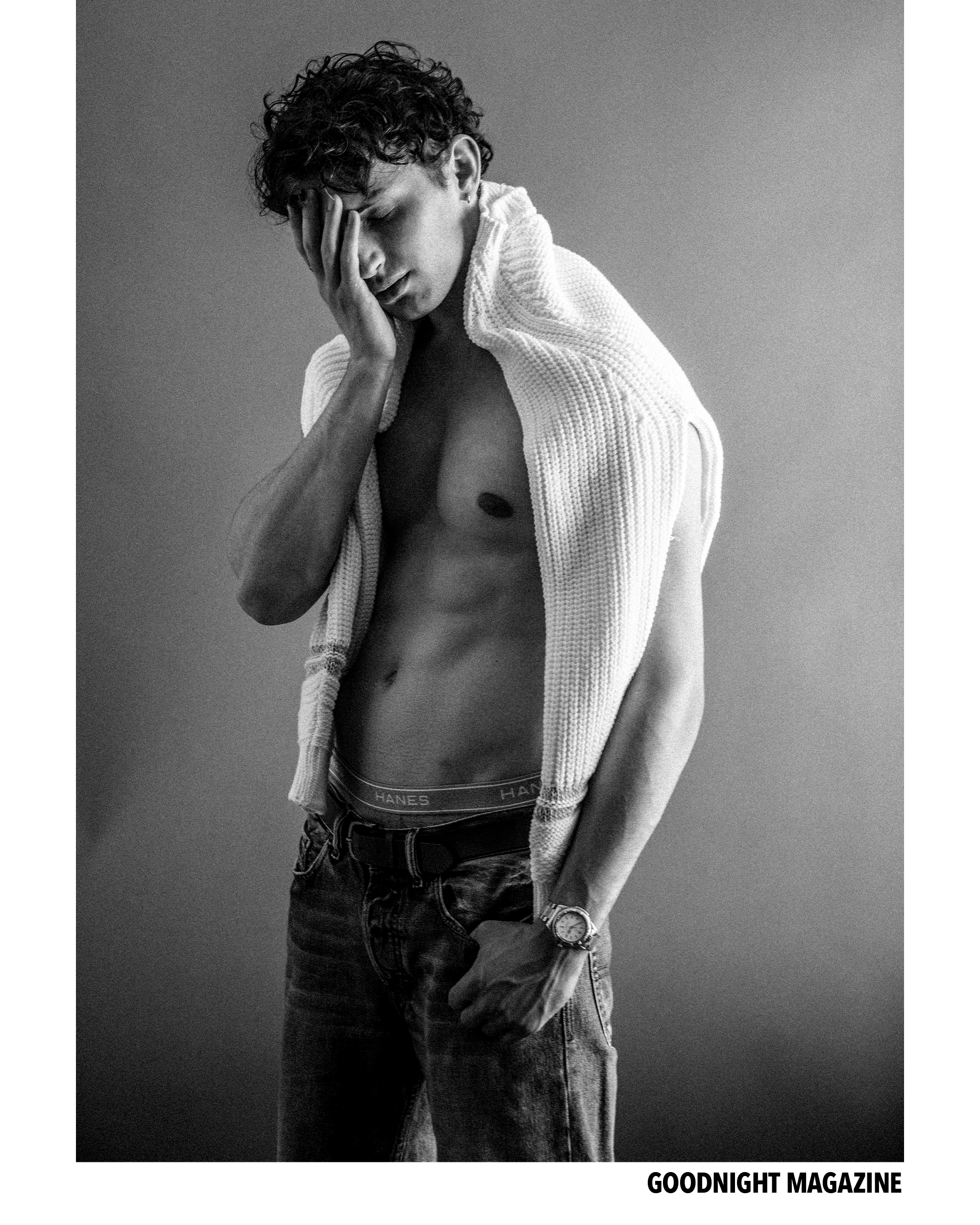
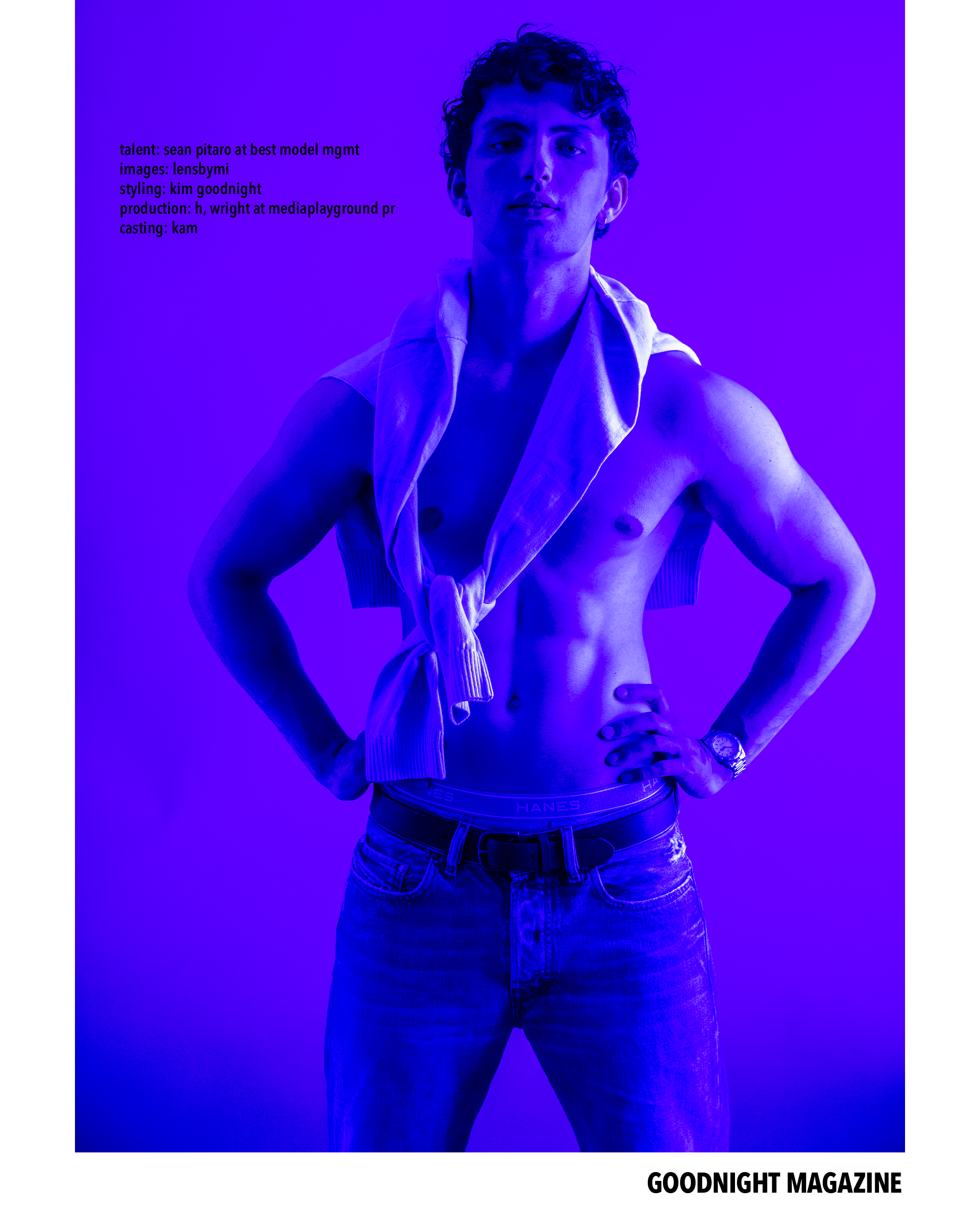
Sean Pitaro is an electronic music artist based in Los Angeles, California. His work spans the full range of the genre, from high-energy dance tracks such as "Ties" and "Price" to emotionally driven, atmospheric pieces like his most recent releases, "Umbrella" and "Passport." Sean works closely with a core group of collaborators on production, and the project is steadily gaining recognition within the emerging electronic music scene.
GN: It’s a pleasure to meet you. Could you speak to the origins of your relationship with this genre and what initially drew you to it, and at what point did you begin to see yourself as an artist within it?
SP: It's great to meet you too. I was introduced to the electronic genre like any other kid my age, through artists like Skrillex, Diplo, Martin Garrix, Calvin Harris, etc. A couple years later, after I had been releasing music for a bit, I was brought into the underground hyperpop/digicore space, and started experimenting with my vocals in that sound and fell in love with it.
GN: How do you approach the act of songwriting and composition? Do you begin with language, sound, emotion, or an abstract idea, and how do those elements ultimately cohere?
SP: I find that my favorite tracks end up being made when I'm sitting in a room with others collaborating. For example, most of my current songs are produced with my two very close friends, Chris and Doug (who go by "twilight" and "doug suh") and the process will typically start with a certain vibe/style that we want to emulate. Melodic, fierce, love, dance; any of the above. During the making of the instrumental, I'll sometimes write down lyrics that resonate, but mostly record certain lines or flows in my voice memos app on my phone. I'll then start recording.
GN: Your sound suggests a nuanced synthesis of influences. How would you articulate your signature style, and what distinguishes it within the broader musical landscape?
SP: I love to dance. You can ask any of my friends that whenever we go out, I'm looking for spot with a dancefloor. I'd say the driving factor behind my music is that I want other people to feel the way I do when I'm dancing, because there's no better feeling.
GN: Over the course of your career thus far, what have been the most formative experiences that have shaped your artistic identity?
SP: While it may sound a bit amateur, one of my most formative experiences as an artist was winning the "Battle of the Bands" at my college last year. It was my first opportunity to perform all of the recent music I'd been releasing, and see how people responded in a live setting. The crowd was incredible, and my most prominent thought was, "Wow. I can really do this." I've fallen in love with performing ever since.
GN: What sources whether personal, cultural, or philosophical most consistently inform your work, and how do you envision the evolution of your music in the years ahead?
SP: The majority of my songs are informed by my past experiences. Relationships, friendships, specific circumstances with another person, etc. However, I've been experimenting on being a bit more abstract with my lyricism, giving the audience topics that are more up to interpretation. For the years ahead I'm going to keep creating music that I truly love myself, which is something that I've struggled with in the past when trying to conform to what's most likely to perform well.
GN: How do you perceive your relationship with your audience, and what kind of reputation or emotional resonance do you believe you’ve cultivated with them?
SP: I try to be as connected as possible with my audience, whether it's responding to DMs, comments, or other videos about my music. I actually met a random fan for the first time last year at a small show I had, and it was an unforgettable feeling knowing that someone took the train into NYC to watch me perform. We stay connected now.
GN: Do your creative impulses extend into your subconscious and do you find that your lyrics or musical ideas emerge through dreams, or is your process more deliberate and waking?
SP: I wouldn't say that they extend into my dreams, but they definitely stick around in brain until I do something about them. I'll have a certain melody or lyric stuck in my head for hours, and it won't leave until I write it down or record it into a voice memo for later.
GN: The idea of “goodnight” often carries both closure and possibility. How have your dreams both literal and aspirational shifted from childhood to the present changed or stay the same, and in what ways do they continue to shape your work?
SP: My dreams have been really odd recently to be honest, and I have a bit of a habit of trying to analyze them until they make sense, even though they probably won't. In terms of the less literal sense, I've always had a deep desire to do music since a little kid, but was nervous to go all in on it. Hence why I went to college; it served as sort of a backup plan. It was sometime in my junior year that I felt lost, and music seemed like the only form of direction. It was at this point that I started taking extra classes in order to graduate early and pursue my dream, music, full time.
GN: Are there any personal rituals either in the quiet of night or the early hours of morning that play a meaningful role in your creative or professional life, and that you’d be willing to share?
SP: My mom's an extremely light sleeper. Growing up, if I wasn't tip-toeing through the house after she was asleep, she'd wake up and tell me to be quiet. So my main nightly habit is tip-toeing everywhere, even though I don't live with my parents anymore. I also have to make sure my room is spotless; if something's out of place I can't fall asleep.
artist: sean pitaro at best model mgmt
eic: kimberly y goodnight
music editor: tony kordysh
casting: kam
production: harry wright at media playground pr
Images: mi