
JP the DJ
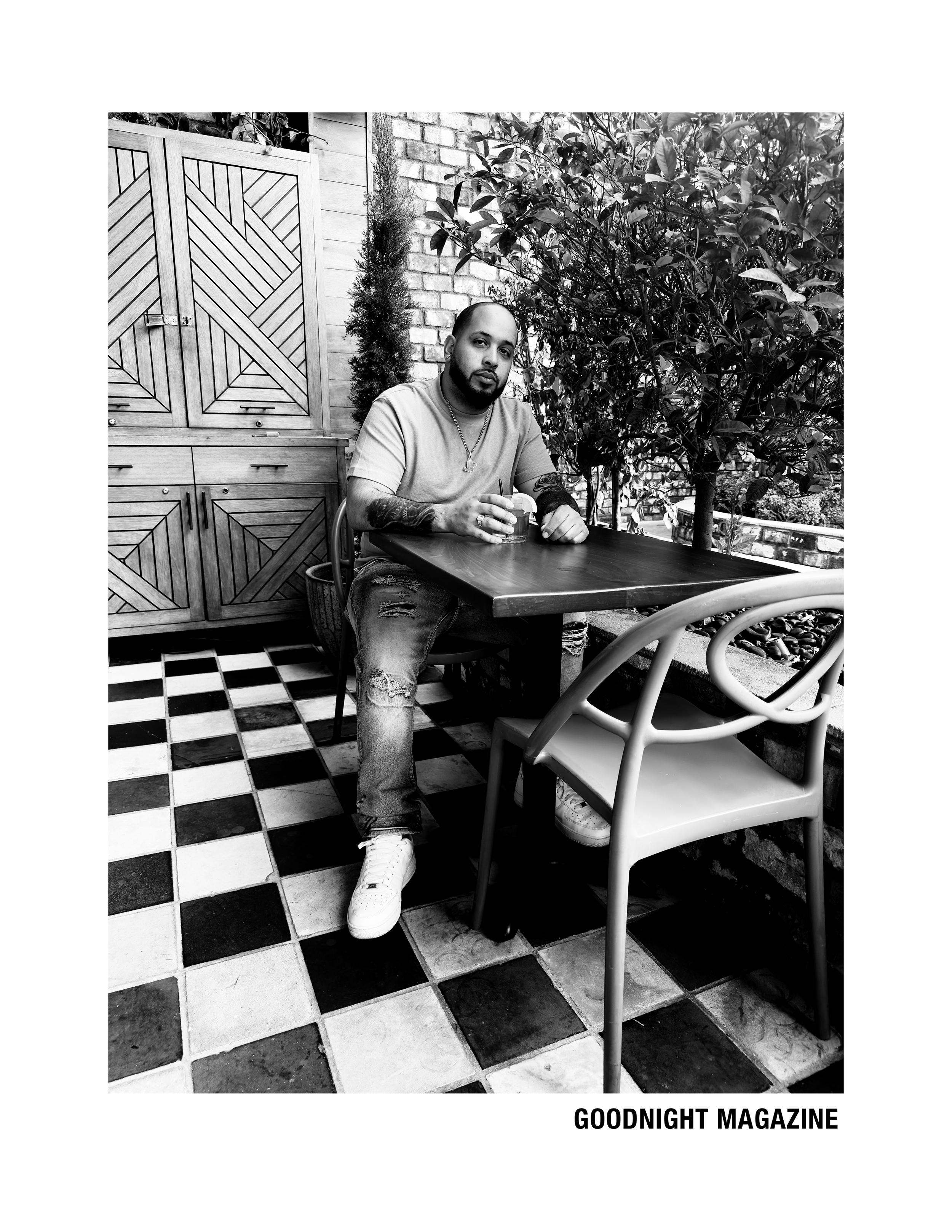
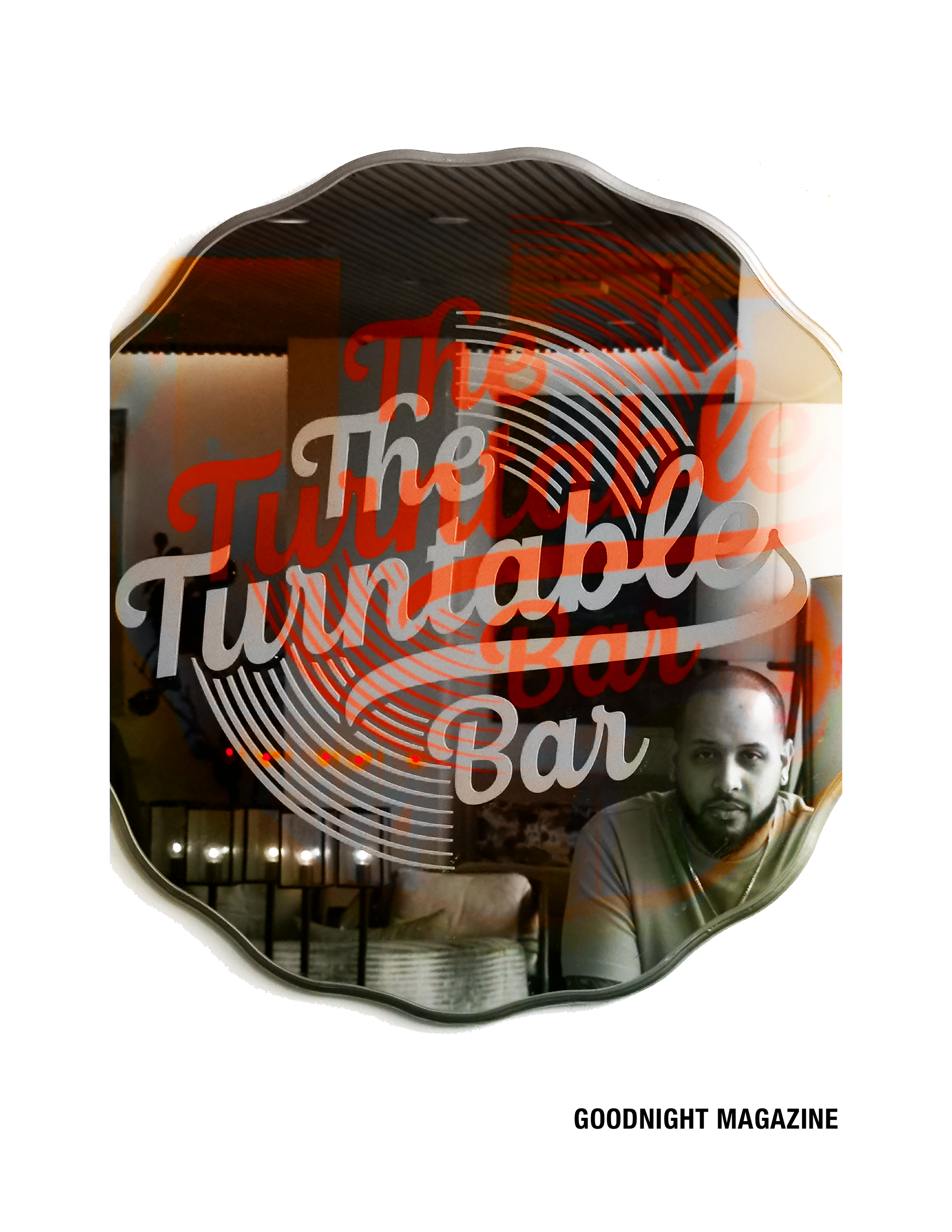
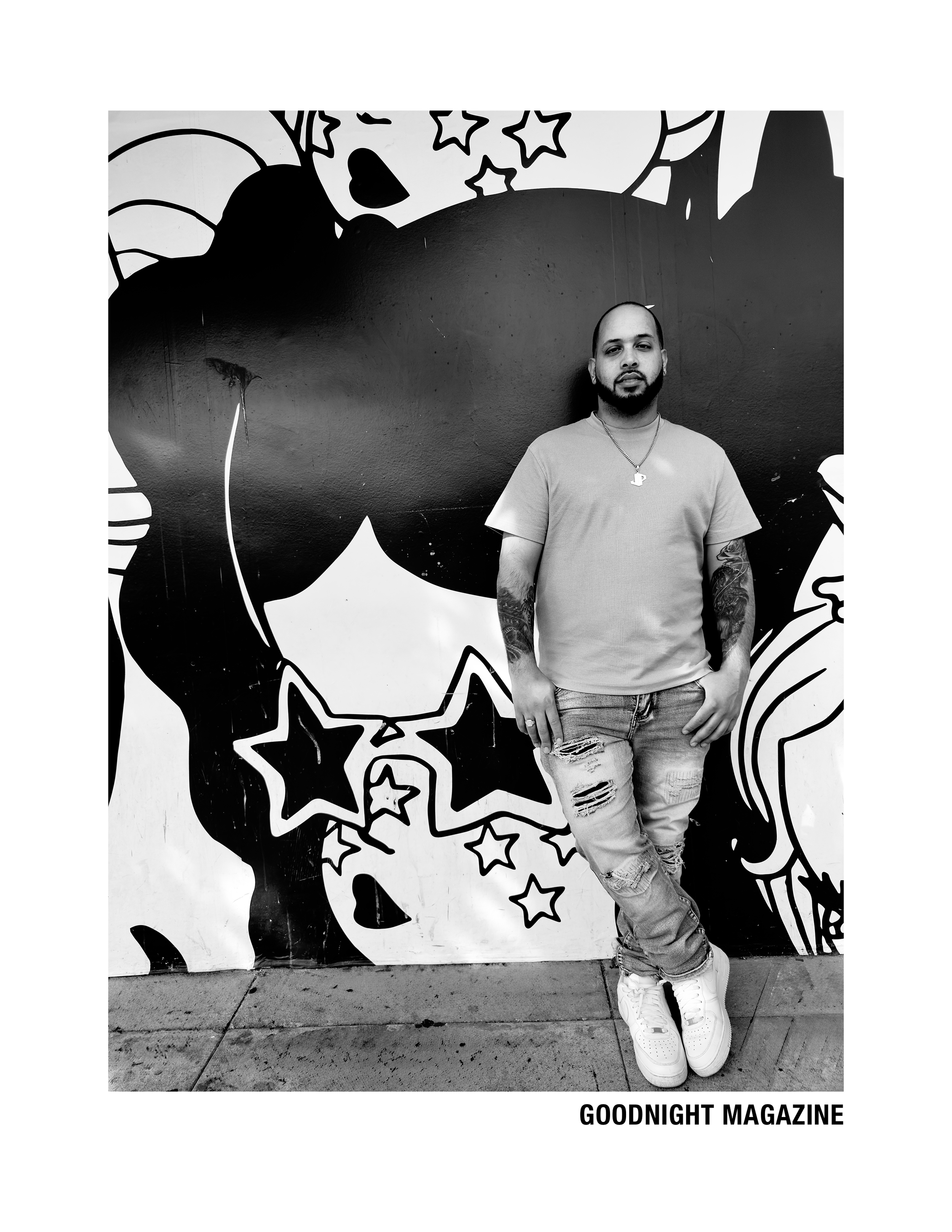
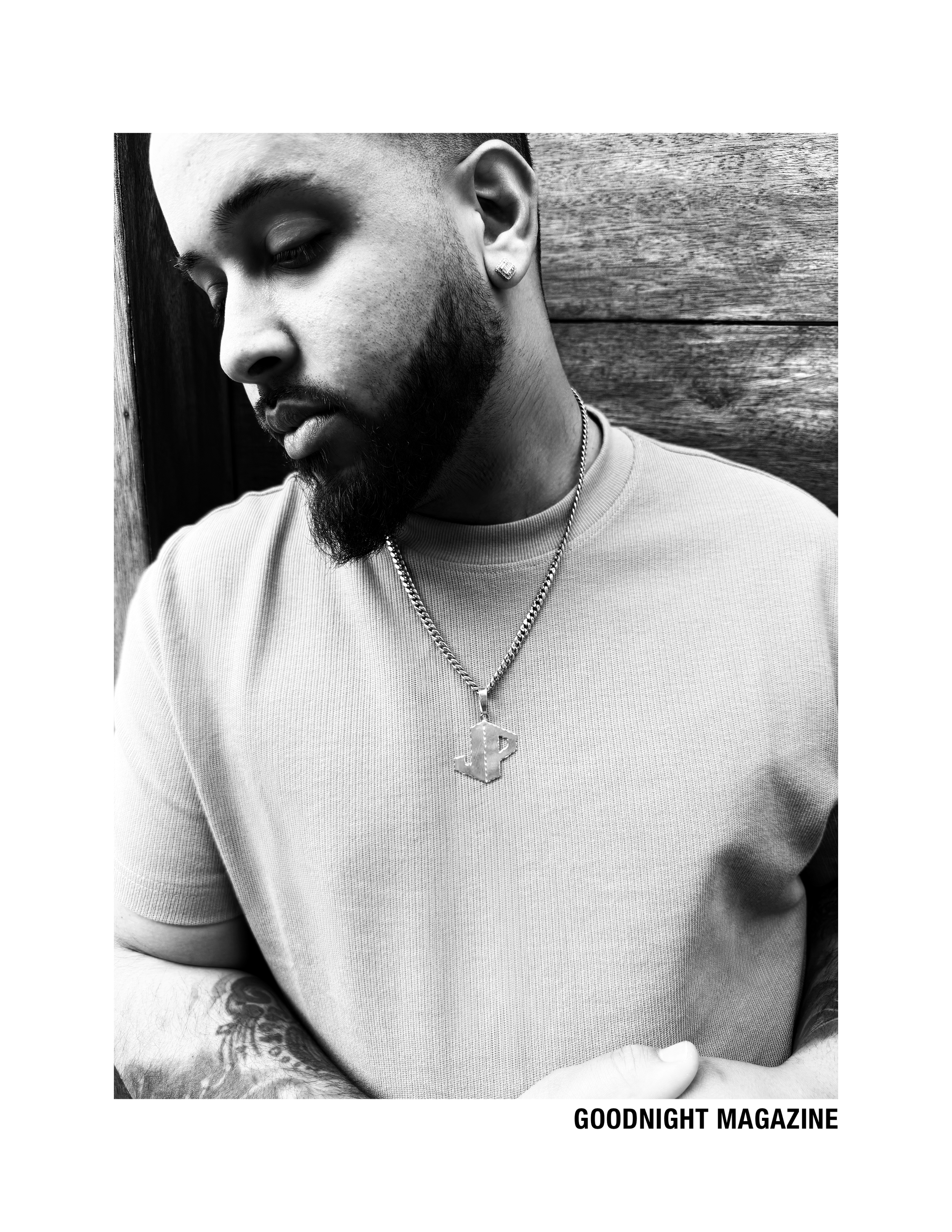
Q&A
GN: You’ve built a reputation as a traveling DJ who connects people across cities and cultures. What first drew you to the world of music and DJ’ing?
JP: Music always felt like a language I understood before anything else. Growing up, I paid attention to how certain songs could completely change the energy in a room. I became fascinated with the idea that one person behind the music could control that feeling. DJ’ing gave me a way to take that energy and shape it. Not by just playing songs, but guiding people through a moment together.
GN: Every DJ has a moment that sparks the journey. What was the catalyst that led you to become a DJ, and when did you realize music would become such a central part of your life?
JP: At first it started as curiosity. My mom would play so many different genres of music, so I was introduced to a lot of different sounds at an early age. Once I started going to house parties, school dances and other events; I would always watch the DJs closely, not just what they played, but how they moved and how the crowd reacted to them. The first time I got behind the tables myself, it felt natural. But the real moment it became serious for me was when I realized music could open doors to places, people, and experiences I never imagined.
GN: Your work seems to go beyond playing music, it’s about bringing people together. When did you first recognize your ability to create connections through sound?
JP: I started noticing it when people who didn’t know each other would leave events together as friends. I’d see people I knew link up with other people I knew, artists meeting producers, DJs connect with other DJs, and conversations start that probably wouldn’t have happened otherwise. That’s when I realized the music was just the spark. The real thing happening was the connections.
GN: Traveling from city to city and country to country must expose you to a wide range of cultures and musical influences. How have these experiences shaped the way you approach your sets?
JP: Traveling teaches you that every city has its own rhythm. The same song can hit completely different depending on where you are and who you’re playing for. Because of that, my ears and mind stay open. I listen more, I study the crowd more, and I respect the culture of wherever I am. It makes every set feel like special instead of just a performance.
GN: You’ve quietly built a strong global network of artists, DJs, producers, and creatives. How do you cultivate genuine relationships in an industry that can sometimes be driven by hype?
JP: For me it’s simple: be real with people. I’m not chasing moments for social media or trying to force connections. A lot of the best relationships I’ve built happened from late night conversations, random meetings, or just supporting someone’s work without expecting anything back. When people feel that you’re genuine, the relationship grows naturally.
GN: Many people attend parties or events simply to enjoy the moment, but you seem to see something deeper in those spaces. What does a great DJ set mean to you beyond the music itself?
JP: A great set is when the room feels connected. When people forget about everything else and just live in that moment together. It’s not just about playing the hottest songs. It’s about reading the room and giving people a memory they can take with them forever.
GN: As someone constantly on the move, what are some of the most memorable cities or moments that have left a lasting impression on you?
JP: I would have to say Cape Verde & Bali. But to be honest, some of the most memorable moments aren’t even the big stages. It’s the unexpected ones. Some of the best moments actually happen off stage. Meeting someone in a new city or country & having a conversation that unexpectedly leads to a collaboration months later. Those moments remind me that the real journey isn’t just about where you play, it’s about the relationships you build along the way.
GN: Music often acts as a universal language. Have there been moments while traveling where music created an unexpected connection between people from completely different backgrounds?
JP: Definitely. I’ve seen rooms where people didn’t speak the same language, but the second a certain record drops, everyone moves the same way. That’s why I love what I do. You can be from any background and still love the music that I’m playing. Especially in Rhode Island. There’s so much culture that mix there. I would see Cape Verdeans dancing to Bachata and Latin people dancing to Kizomba. It’s beautiful.
GN: You describe what you’re building as something bigger than performances, a global network rooted in culture and trust. What does that vision look like for you in the coming years?
JP: The vision is to keep building bridges between cities and other countries. I want to create a network where artists, DJs, producers, and creatives from different parts of the world can connect, collaborate, and grow together. The opportunities that come from that are limitless.
GN: What does the term “Goodnight” mean to you?
JP: Goodnight to me is like a checkpoint. It’s that moment when everything slows down and you finally get to sit with what really happened. Not just the party; but the conversations, the connections, the energy. It’s when the moment becomes a memory. Sometimes the real value of the night doesn’t even hit until it’s over. It’s how you close the night you just had and prepare for the next day.
Images courtesy of Kimberly Goodnight
Production Media Playground PR