
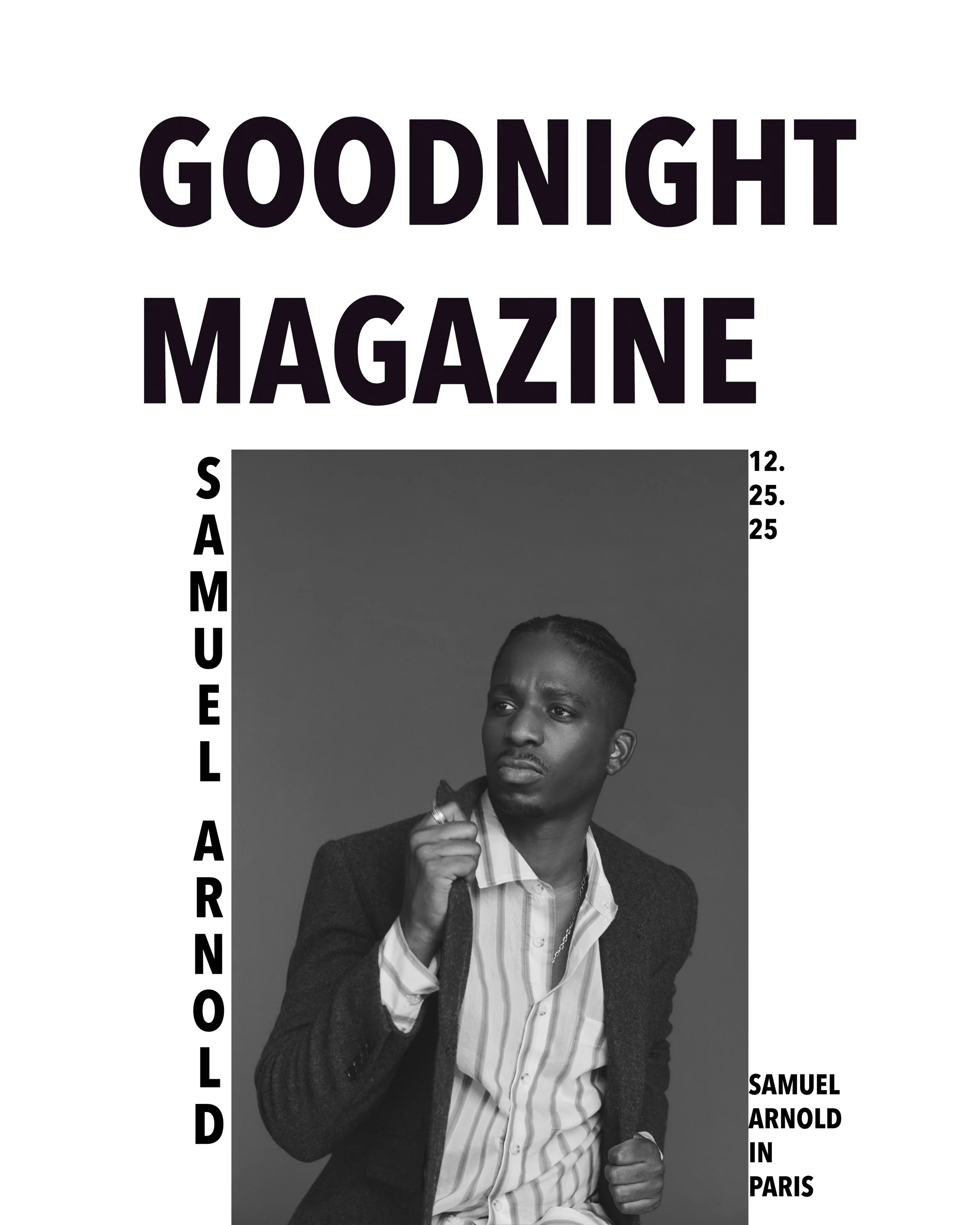
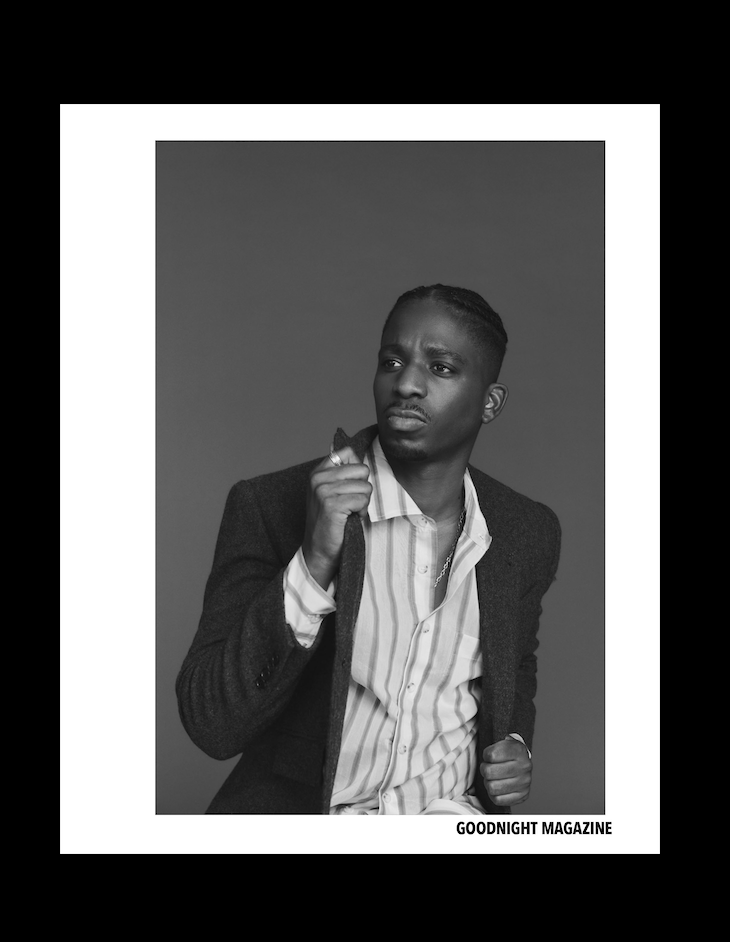
SAMUEL ARNOLD
Q&A
GN: As Emily in Paris enters its fifth season, how do you feel the series and your character, Julien, has evolved in tone, ambition, and emotional complexity since its debut?
SA: As Emily in Paris enters its fifth season, the evolution feels very natural and very earned. The tone has matured, it’s still playful and stylish, but there’s more depth, more nuance. The show isn’t just about escapism anymore; it explores ambition, identity, loyalty, and the cost of success in a more grounded way.
Julien has grown with that shift. In the early seasons, he was sharper, more reactive, almost armor-plated with humor and attitude. Over time, we’ve peeled back those layers. He’s still bold and outspoken, but now there’s vulnerability, emotional intelligence, and real stakes behind his choices. His ambitions feel clearer, his relationships more complex, and his inner conflicts more human.
For me as an actor, that evolution has been incredibly rewarding. Five seasons in, Julien isn’t just a character, he’s someone I understand deeply, someone who’s allowed me to grow alongside him. The emotional complexity now mirrors where the show is as a whole: confident, expansive, and unafraid to go deeper while still having Fun.
GN: Julien has become a fan favorite for his sharp wit and fashion-forward sensibility. How do you approach balancing his comedic flair with the more nuanced, human moments that have emerged in later seasons?
SA: Comedy has always been Julien’s shield. His wit, his fashion, his sharp timing. They're ways of asserting control in fast-moving, high-pressure environments. Early on, I leaned into that external confidence. But as the seasons progressed, it became important to let the cracks show underneath.
I approach it by never playing the joke for the joke. The comedy works best when it comes from truth from pride, insecurity, jealousy, or love. When you ground Julien emotionally, the humor lands naturally, and the quieter moments feel earned. That balance is what makes him human rather than just stylish or funny.
GN: The show has often been discussed as both a love letter to Paris and a mirror of modern workplace dynamics. How do you see Julien’s arc reflecting the realities of creative professionals navigating ambition, identity, and friendship today?
SA: Julien represents a lot of people I know in the creative world, incredibly talented, ambitious, and driven, but also navigating fragile ecosystems built on ego, validation, and competition. His
journey reflects the tension between wanting to shine individually while still needing community and collaboration to survive.
Over time, Julien has had to confront questions many creatives face today: Who am I when the room changes? What happens when loyalty conflicts with ambition? How do I stay true to myself without burning bridges? That push and pull feels very contemporary, and I think that’s why audiences connect with him.
GN: Emily in Paris has sparked global conversations about style, cultural perception, and the modern expat experience. How conscious are you, as an actor, of the show’s cultural footprint when developing your Performance?
SA: I’m very aware of it, but I try not to let it paralyze the work. The show travels far beyond France, which means every choice is amplified. That responsibility matters, especially when representing French creatives on a global platform. At the same time, authenticity is key. I focus on playing Julien truthfully rather than symbolically. If he’s honest, layered, and specific, then the cultural conversation becomes richer by default. I don’t aim to represent everything, I aim to represent something real.
GN: You’ve spoken before about your background in theatre and movement. How has that training influenced your on-screen rhythm and presence, particularly in a show where body language and visual storytelling are so key?
SA: Theatre and movement taught me that the body speaks before words do. In a show
like Emily in Paris, where style, space, and rhythm are essential, that awareness becomes a powerful tool.
Julien’s posture, walk, stillness, or even how he occupies a room often tells you as much as his dialogue. Movement gives scenes texture, it allows silence, tension, and humor to breathe without being overexplained. That physical precision definitely comes from my theatrical training.
GN: Collaboration seems central to the series’ chemistry. Could you share how your dynamic with Lily Collins and the ensemble cast has deepened or shifted over five seasons?
SA: Five seasons creates real trust. With Lily and the ensemble, we’ve grown together not just professionally, but personally. That history allows us to take more risks, to play more subtly, and to listen more deeply to one another.
There’s an unspoken language now. We understand each other’s timing, instincts, and boundaries. That chemistry on screen is built off years of shared experiences, laughter, pressure, and mutual respect. It’s rare and something I don’t take for granted.
GN: Paris itself almost functions as a character in the narrative. Has your personal relationship with the city changed through filming? Has it shaped your perception of home, identity, or artistry?
SA: Paris will always be part of my DNA, but filming the show allowed me to see it through
a different lens. The city became both familiar and rediscovered, glamorous yet demanding, inspiring yet unforgiving.
That duality mirrors my relationship with artistry itself. Paris reminds me where I come from, but also pushes me to evolve. Over time, it’s reinforced the idea that home isn’t static it’s something you carry, reinterpret, and sometimes challenge in order to Grow.
GN: The series often blurs the line between satire and sincerity. As an actor, how do you navigate that tonal balance, especially when portraying a character who must be both aspirational and deeply relatable?
SA: The key is sincerity first. If I ground Julien emotionally, the satire naturally takes care of itself. The danger would be to lean too far into caricature, that’s where relatability Disappears.
I treat Julien’s desires, fears, and flaws seriously, even when the situations are heightened. When the character believes in what’s happening, the audience can laugh and empathize at the same time. That balance is where the show really lives.
GN: With the global rise of French talent on streaming platforms, what do you feel Emily in Paris has contributed to the international perception of contemporary French culture and creativity?
SA: I think the show opened a door. It sparked curiosity, sometimes debate but most importantly, visibility. It reminded international audiences that French culture isn’t frozen in time; it’s evolving, diverse, ambitious, and globally engaged.
By showcasing French creatives in modern professional environments, the series helped shift perceptions from clichés toward something more dynamic. And conversations, even critical ones, are part of cultural progress.
GN: Beyond acting, you’ve shown interest in writing and producing. Has working on a long-running series like this one influenced how you think about storytelling from behind the camera?
SA: Absolutely. Being part of a long-running series teaches you about structure, character arcs, pacing, and audience relationship over time. You start seeing the bigger picture how small choices echo across seasons.
It’s made me more intentional about storytelling: why a scene exists, what it moves forward, and how character evolution needs patience. That perspective has deeply influenced how I think about projects I want to develop and produce myself.
GN: As the series reaches its fifth season milestone, what do you hope audiences take away from Julien’s journey, and how do you personally define success at this stage in your creative life?
SA: I hope audiences see that growth doesn’t mean losing edge, it means gaining depth. Julien’s journey is about learning to stand confidently while allowing vulnerability, collaboration, and change.
At this stage, success for me isn’t just visibility or momentum, it's alignment. Choosing projects that reflect who I am now, continuing to grow artistically, and building work that has longevity and meaning. That feels like real success.
GN: What does the term Goodnight mean to you?
SA: Goodnight is a pause. A moment of reflection between what was and what’s coming next. It’s about closing a chapter with gratitude not fear and trusting that rest is part of creation.
It’s not an ending. It’s preparation.
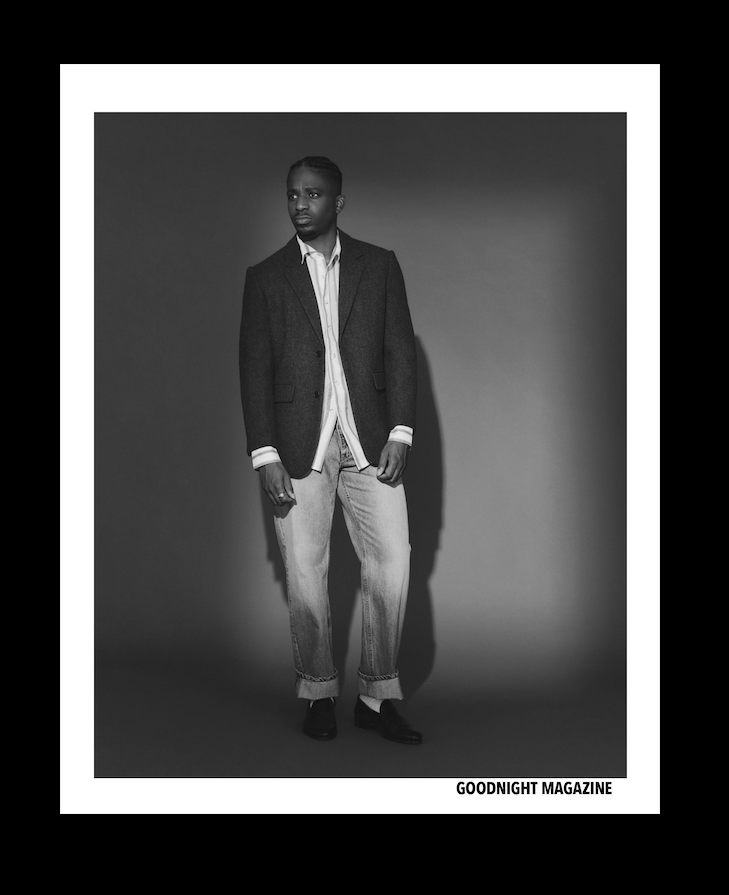
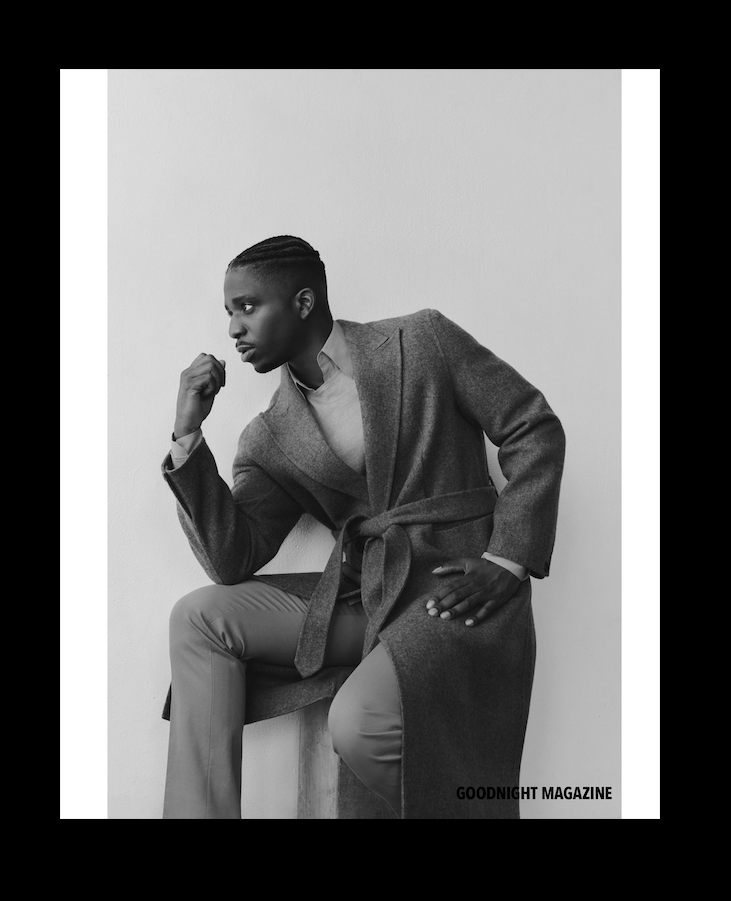
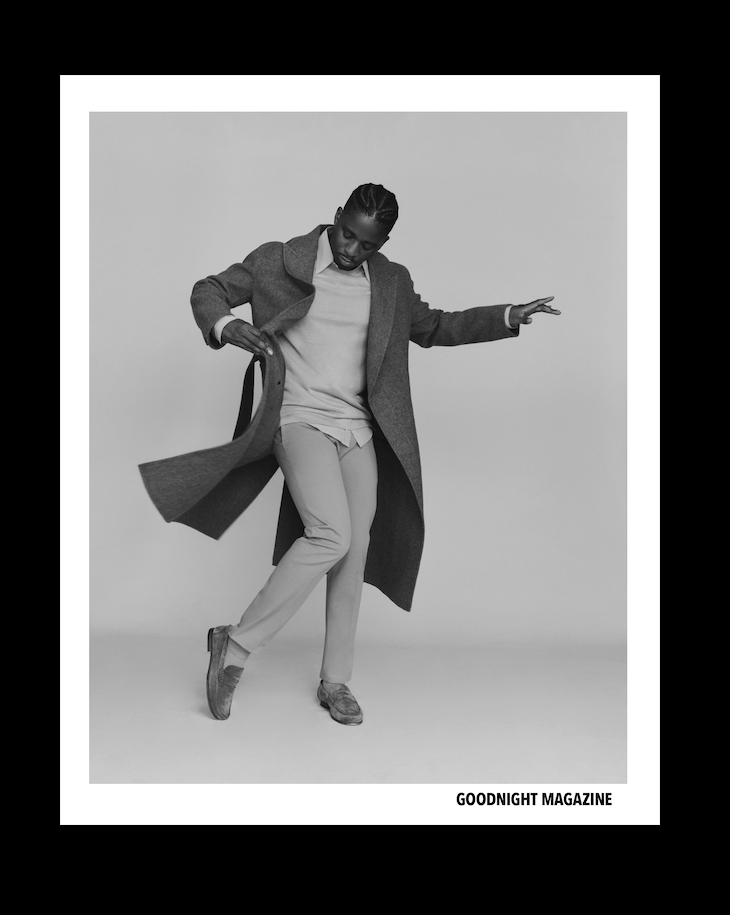
Images courtesy of photographer Raul Romo
Groomer: Grace Phillips
Stylist: Avo Yermagyan