
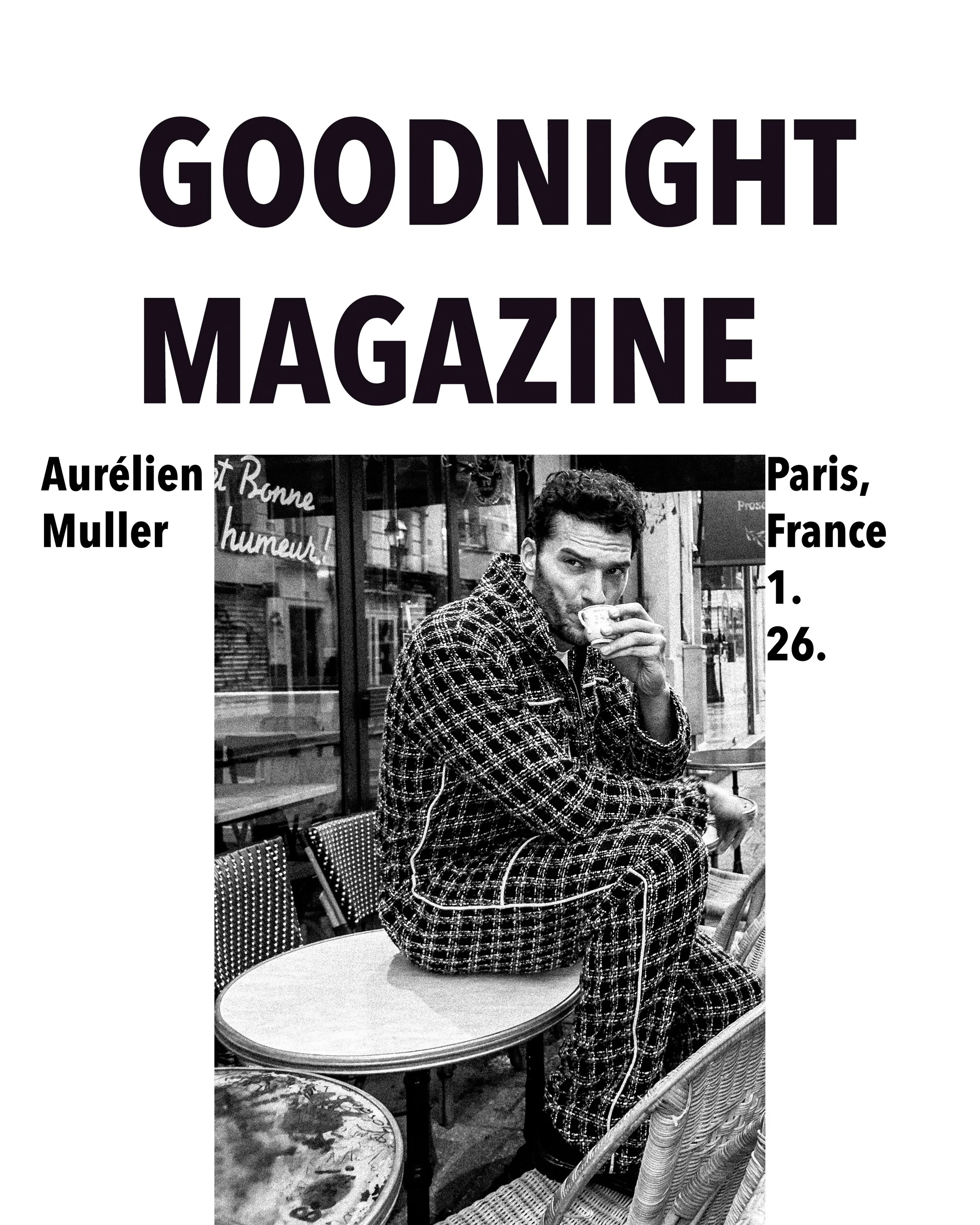
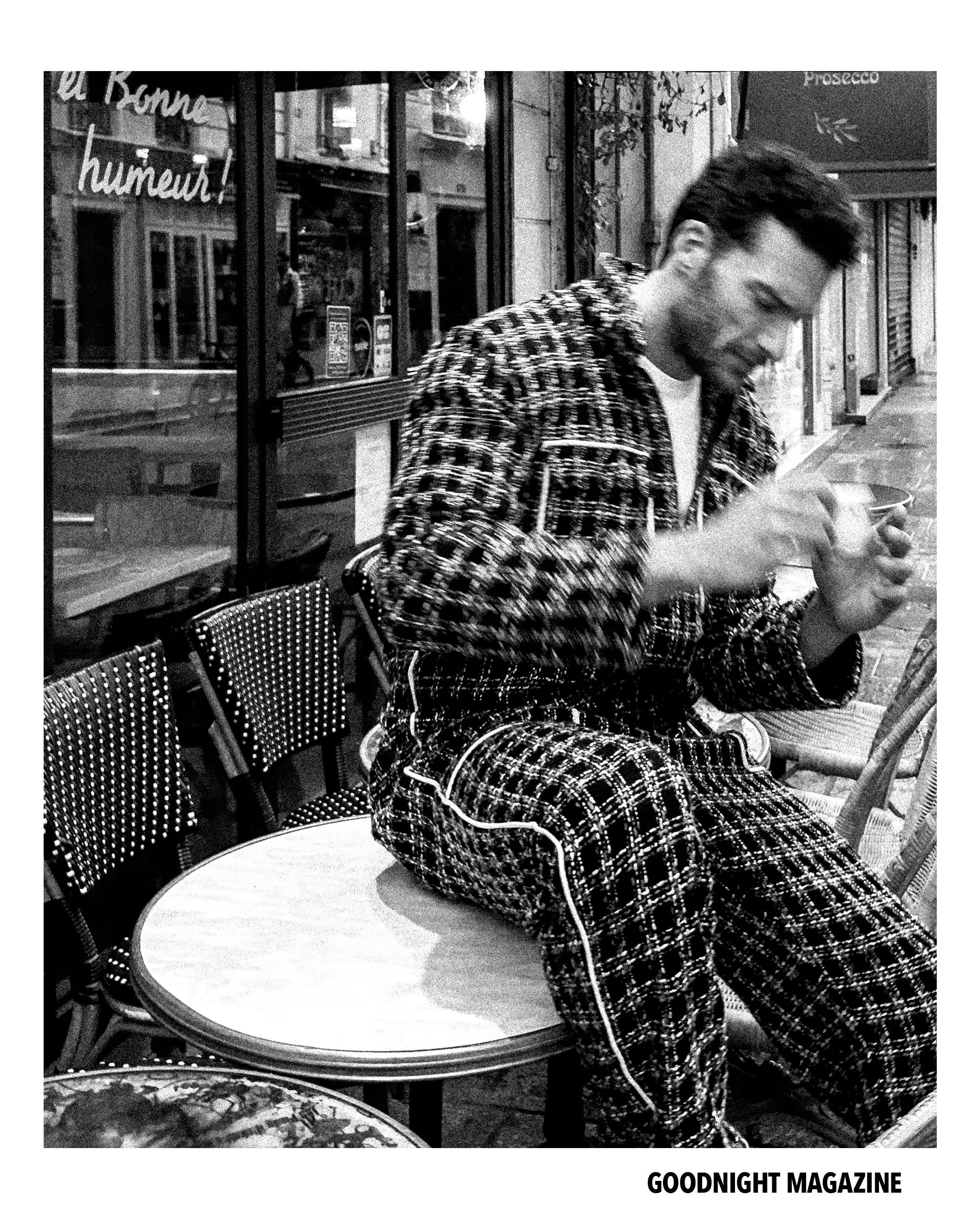
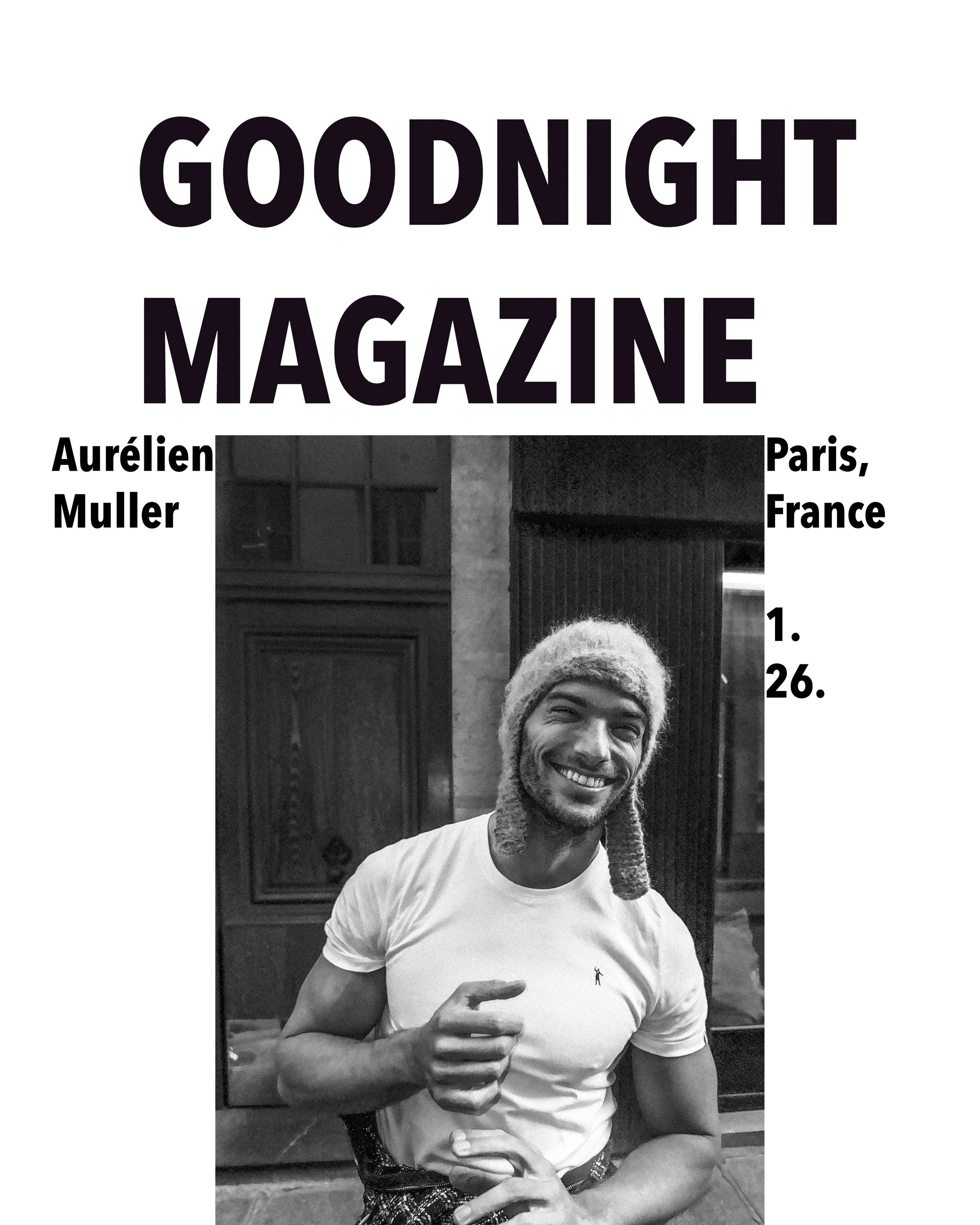
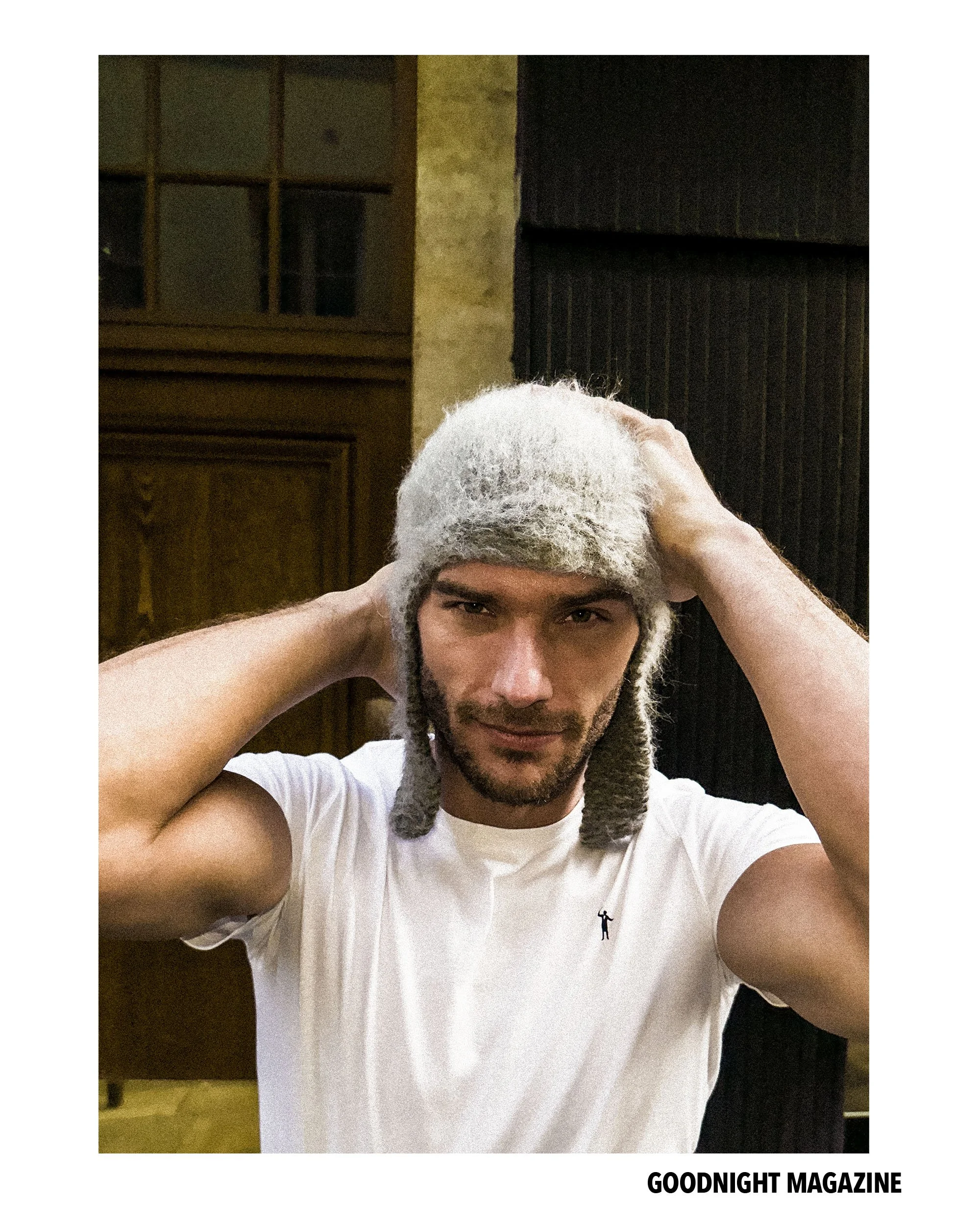
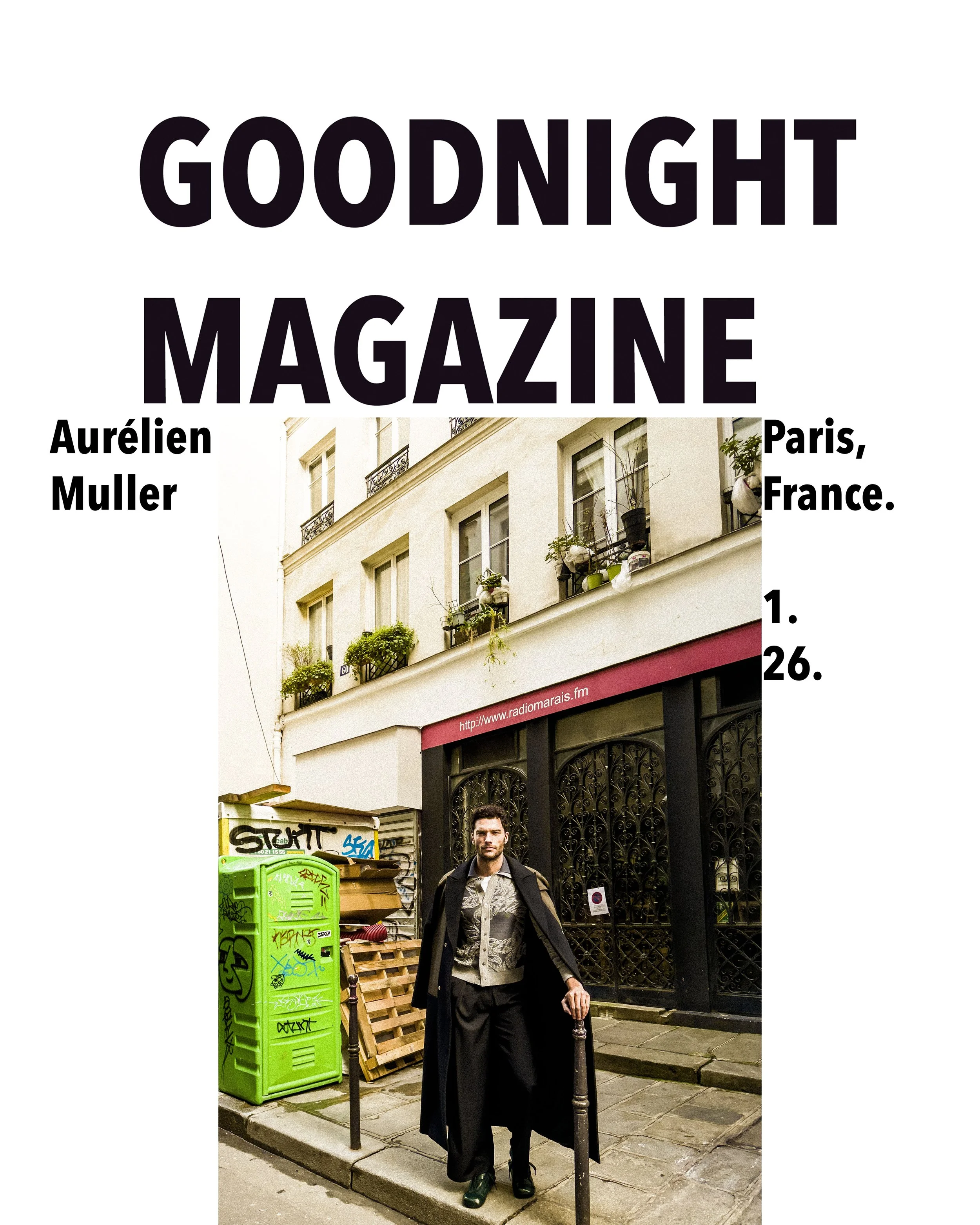
AURELIEN MULLER
actor stars in Emily in Paris
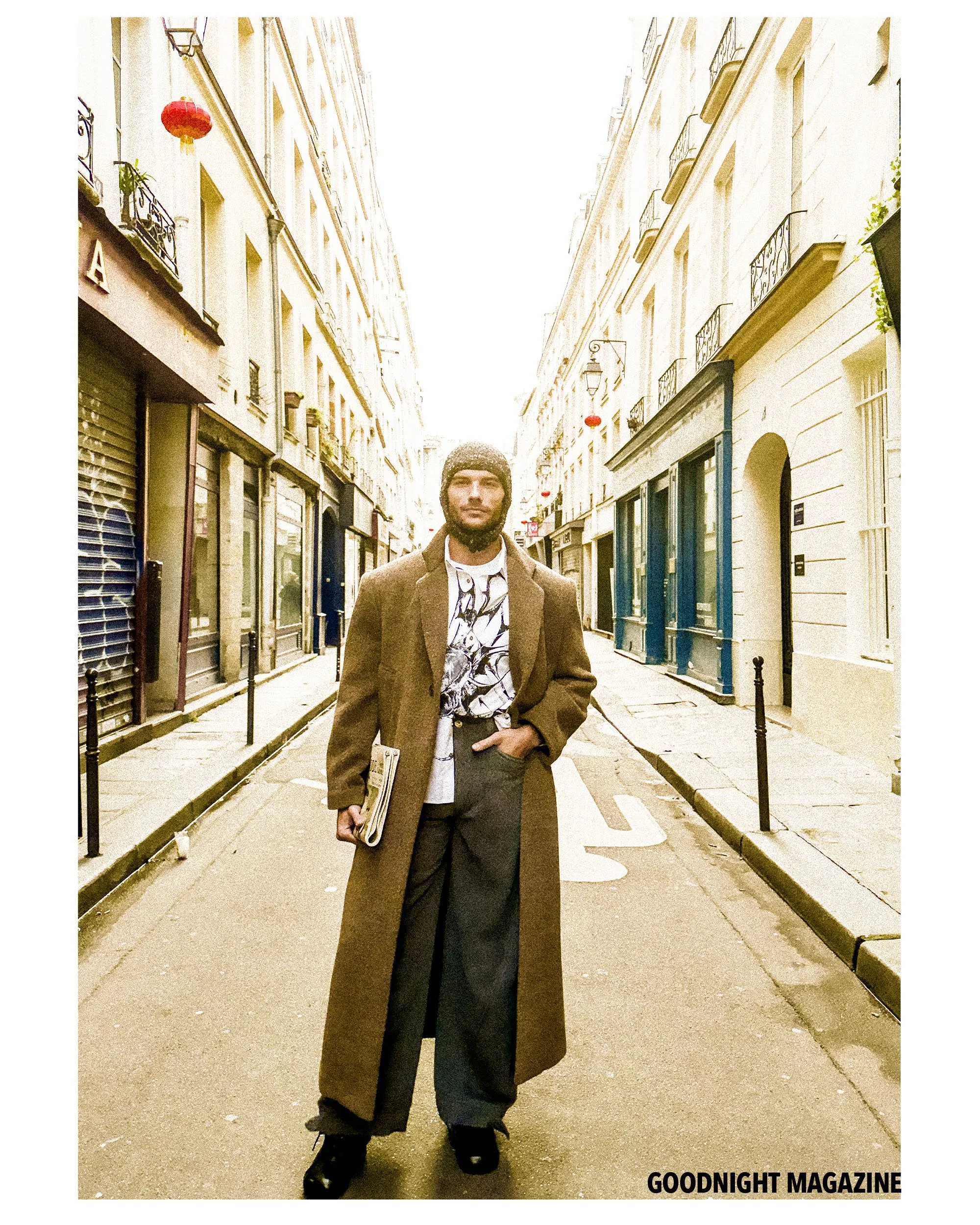
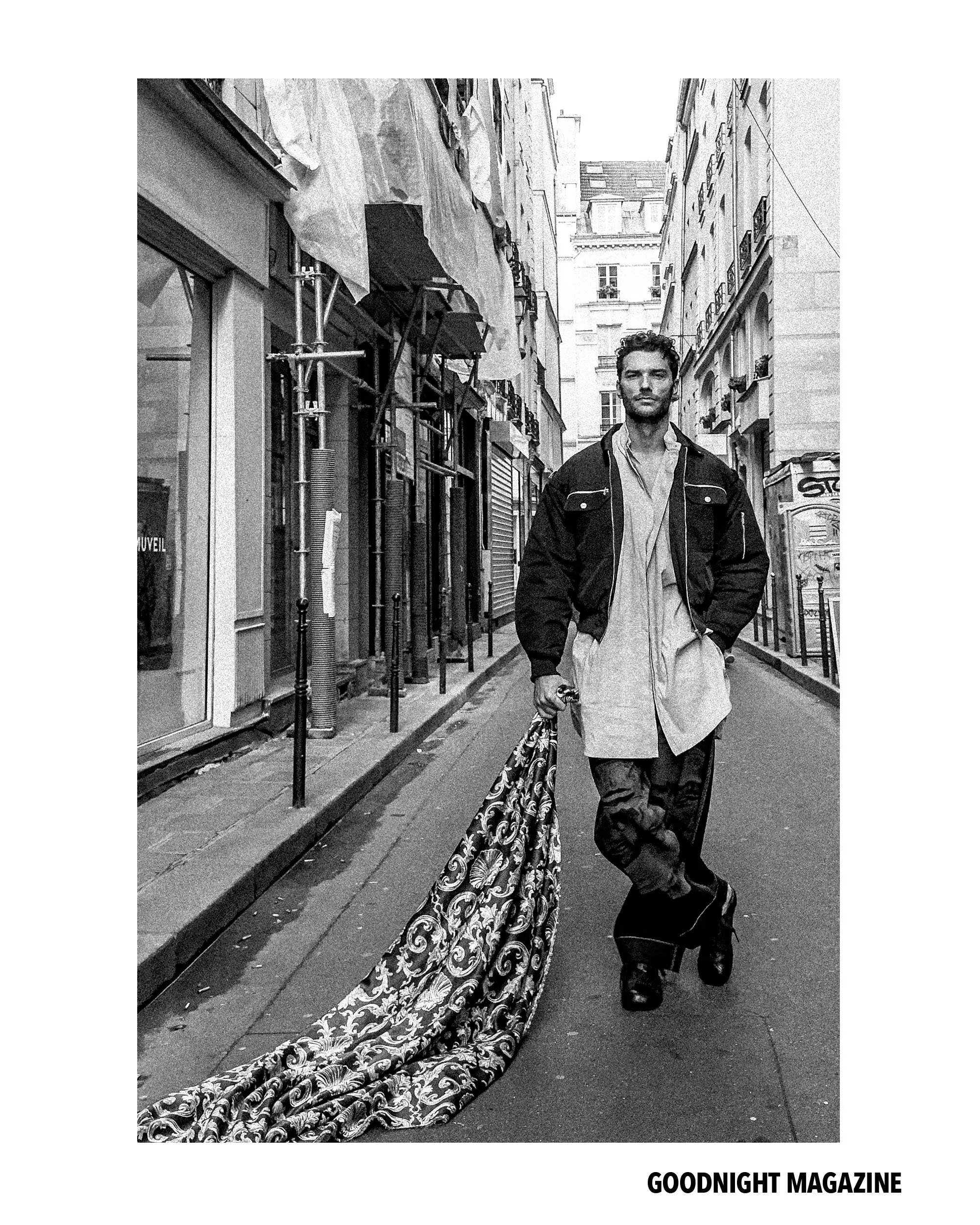
Q&A
GN: It’s always special to see you in Paris. When you think back to where everything began, starting in engineering before fashion, what part of that early version of yourself do you still recognize today?
AM: I still recognize the discipline, the curiosity and my respect for the process. Even today, when things look more instinctive from the outside, there’s always that part of me that likes to understand how things are built, emotionally or narratively, before letting them breathe.
GN: What first drew you toward acting, and when did you sense it was more than curiosity and that it was something you needed to explore?
AM: I actually started acting at the same time I started modeling and very fast, modeling became very intense. I always had a desire to understand people beyond surfaces. Then, slowly, I realized acting allowed me to explore parts of myself I didn’t yet have language for. It became less about trying something new and more about listening to something that had been waiting quietly.
GN: Coming from a modeling background, how did you experience the shift into acting, not just professionally, but internally?
AM: Very well actually, both are complementary. Internally, it’s kind of being seen as allowing myself to be revealed. Modeling taught me presence and precision, acting invites vulnerability.
GN: Acting asks for emotional truth in a very exposed way. How do you personally locate honesty when you step into a role?
AM: I try not to “look for” honesty. I create space for it. By listening, to the script, to my partners, and working on the character’s story. Truth often appears when you stop forcing it.
GN: Your physical presence is so refined, yet your performances feel increasingly vulnerable. How do you balance control with surrender?
AM: Control gives structure, surrender gives life. Once the foundations are solid, I allow myself to let go and that’s where vulnerability finds its way in.
GN: Fashion has trained you to communicate through posture, gesture, and silence. Has that visual language helped you understand character in a deeper way?
AM: Absolutely. Silence can say as much as dialogue if not more. Fashion taught me that a character often lives in the spaces between words, in how they stand, hesitate, or breathe. Those details often reveal more than any words ever could.
GN: You’ve worked in worlds where beauty is central. How do you make sure your performances move beyond aesthetic perfection into something emotionally resonant?
AM: Beauty can open a door, but emotion is what makes people stay. I try to focus on fragility and complexity rather than perfection. When something feels human, imperfect, contradictory, it naturally becomes more resonant.
GN: Is there a film, performance, or actor that quietly shaped the way you approach your craft, one that stayed with you over time?
AM: I can not name one film, performance nor any actor, it’s more the sum of all that that I have seen in the theaters, movies and even in real life that moved me and inspires me every day to approach and work on my craft.
GN: Looking back, was there a particular on-set moment that transformed how you see storytelling, or your place within it?
Yes, realizing that storytelling is collective. That my role is not to shine alone, but to serve something larger than myself. That understanding changed everything.
GN: People often describe you as a symbol of French elegance. Away from labels and perception, what does elegance feel like to you when no one is watching?
AM: For me, elegance is calm. It’s respect for yourself and for everyone. It’s moving through the world without needing to impose anything with manners.
GN: Acting requires a different kind of exposure than fashion. Since stepping into this chapter, what have you discovered about yourself that surprised you?
AM: I discovered that vulnerability is not a weakness. It’s a strength that creates connection. That realization changed the way I see both my work and myself.
GN: Joining Emily in Paris in its fifth season felt less like chasing and more like arriving. What did saying yes to this project mean to you personally, at this moment in your life?
AM: It felt aligned. Not rushed, not strategic, just right. It was a moment where experience met readiness, and I trusted that feeling.
GN: Working on an international series brings together so many languages, rhythms, and perspectives. How did that environment change the way you listen to others and to yourself?
AM: It taught me to slow down and listen more carefully, beyond words. When languages differ, attention deepens. That awareness stays with you.
GN: Fashion and film are both forms of storytelling. In quiet moments, how do those two worlds continue to speak to one another in your life?
AM: Fashion reminds me of instinct and immediacy. Film reminds me of depth and time. Together, they keep me balanced, one sharpens the eye, the other deepens the soul.
GN: You’ve represented major fashion houses, each with a distinct vision. How do you translate a designer’s world through your own personality without losing yourself?
AM: By listening first. Once you understand the intention, you can find where it naturally meets who you are. Authenticity always finds its way when there’s mutual respect.
GN: With visibility comes scrutiny. How has your understanding of image and identity evolved as your presence in both fashion and acting has grown?
AM: The image is something people project, while the identity is something you protect. Staying grounded means knowing the difference.
GN: Your journey reflects a rare balance of discipline and sensitivity. When life feels full or demanding, what helps you stay grounded while remaining emotionally open?
AM: Routine, simplicity, and connection, especially with my daughter. She has a way of bringing everything back to what truly matters.
GN: As you continue to grow as an actor, are there certain stories or characters you feel ready to meet now, ones that feel closer to your heart?
AM: Yes, I would love to explore characters that exist in grey zones. Stories that show contradictions, quiet strength, and emotional complexity.
GN: When everything quiets down and you look ahead, what do you hope people feel when they encounter your work, not just what they see, but what lingers?
AM: I hope they feel something familiar. Something that stays softly with them, like a thought, or a memory they didn’t know they had.
GN: Finally, what does the term Goodnight mean to you?
AM: Goodnight is a pause. A moment of gentleness before letting go. It’s not an ending, it’s an invitation to rest, to reflect, and to begin again.
TEAM CREDIT
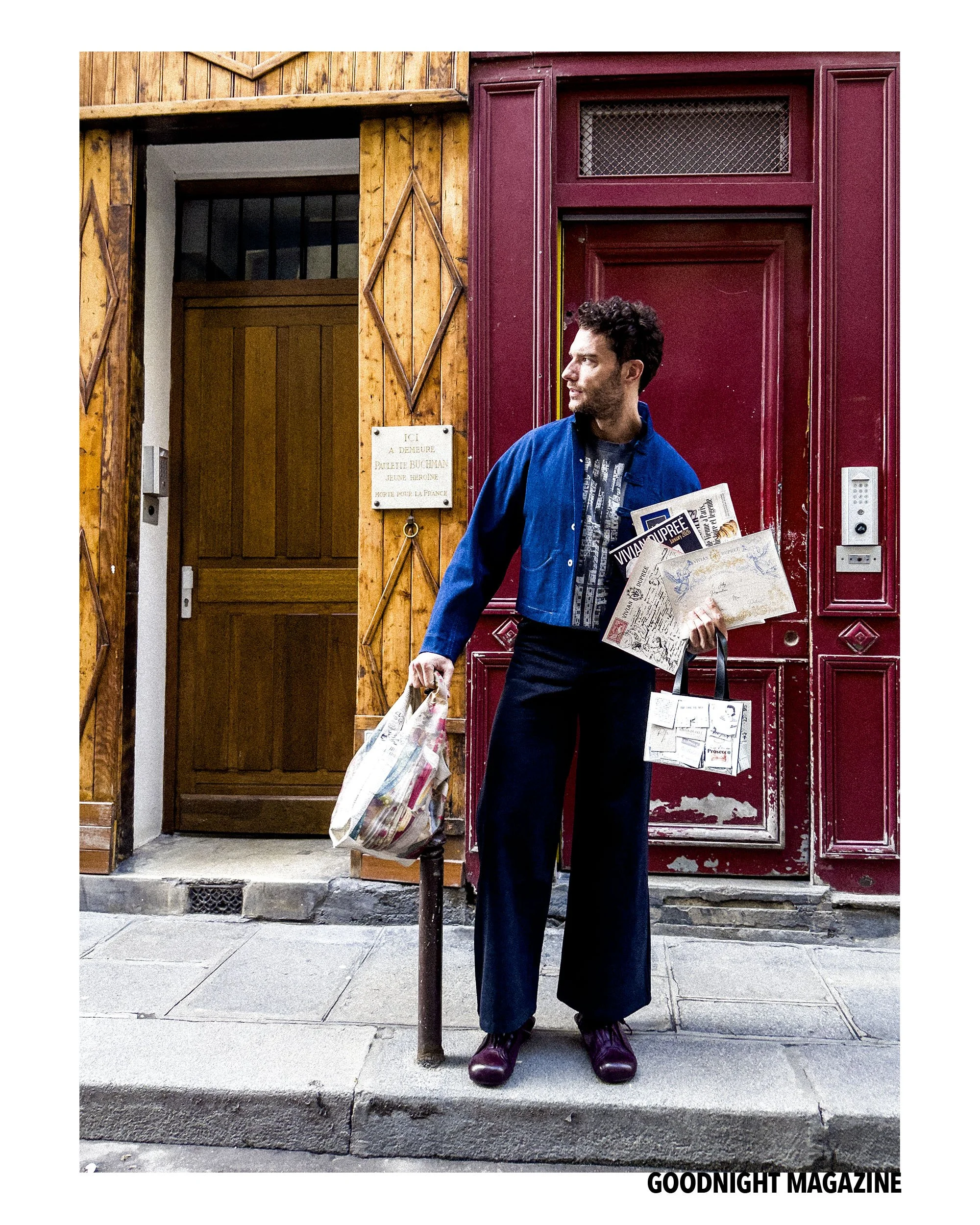
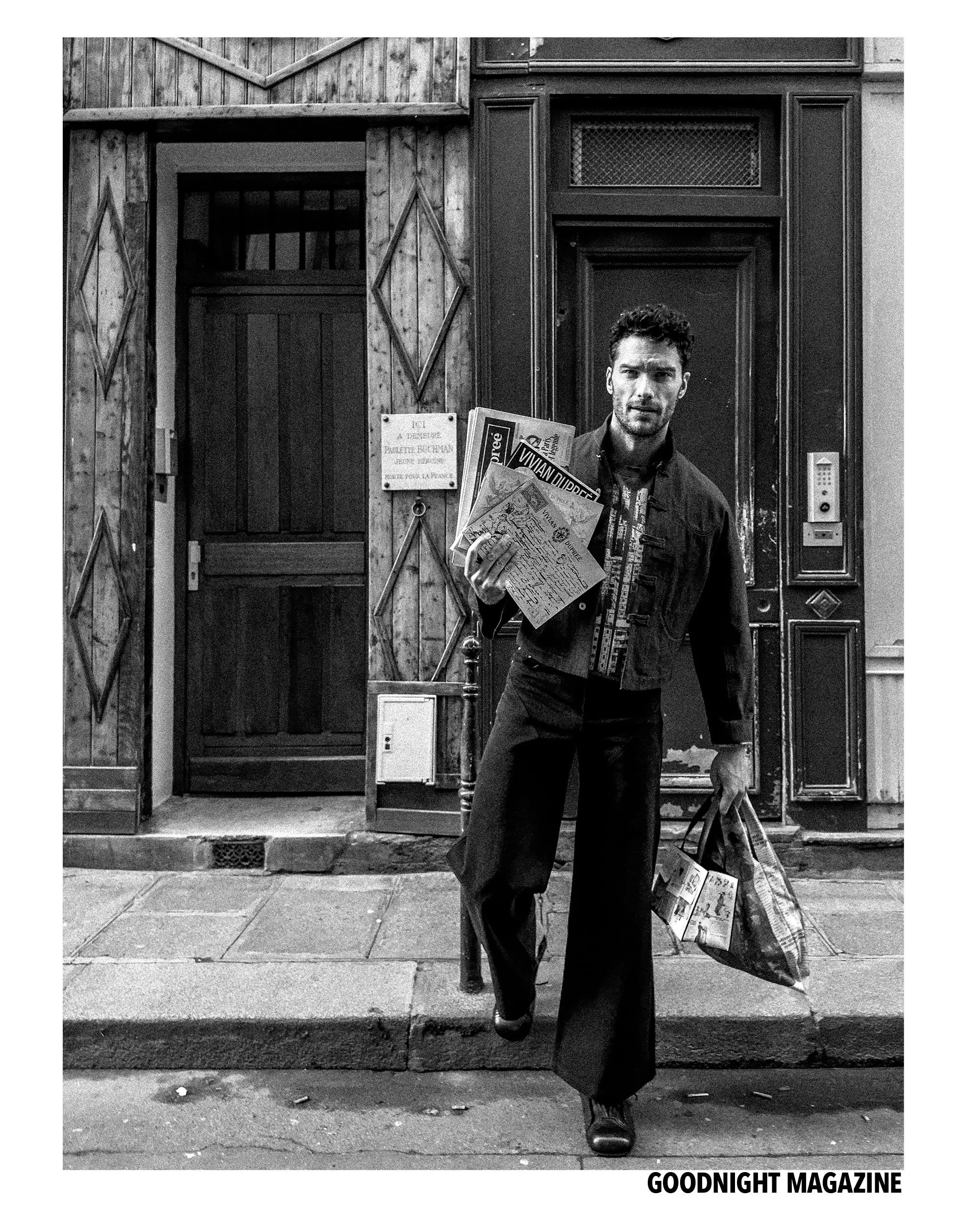
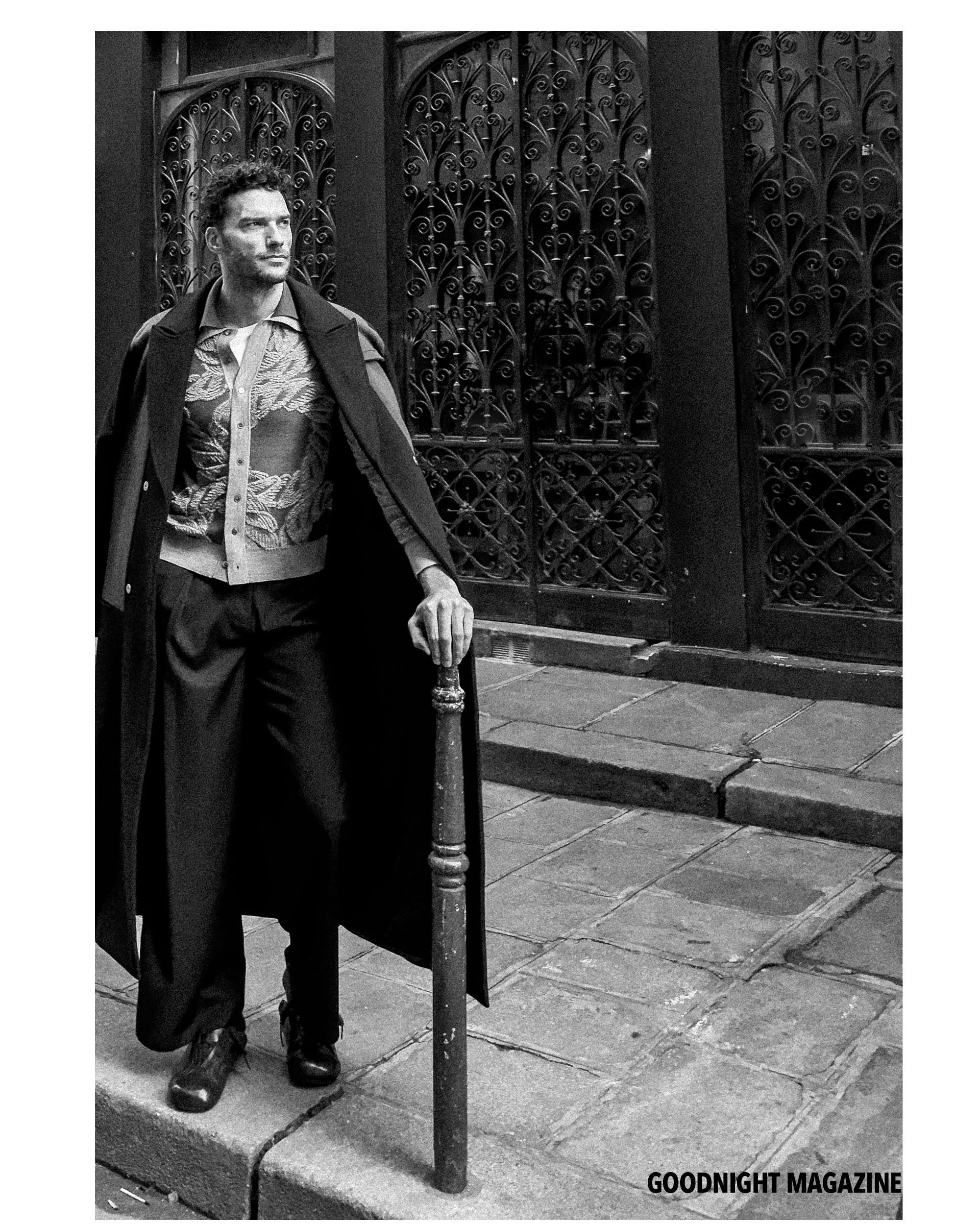
AURELIEN MULLER for New Madison Models Paris
Photographer KIMBERLY GOODNIGHT / EU. Editor Stylist A. DENINO
LOCATIONS
La Cantine Des Pieds Nickelés @lacantinedespiedsnickeles
Other / Wise @otherwise_showroom
BRANDS
@legends.of.sound
@inglishmoffin
@_pronounce
@berhasm_global
@viviandupree_atelier