
chris pang
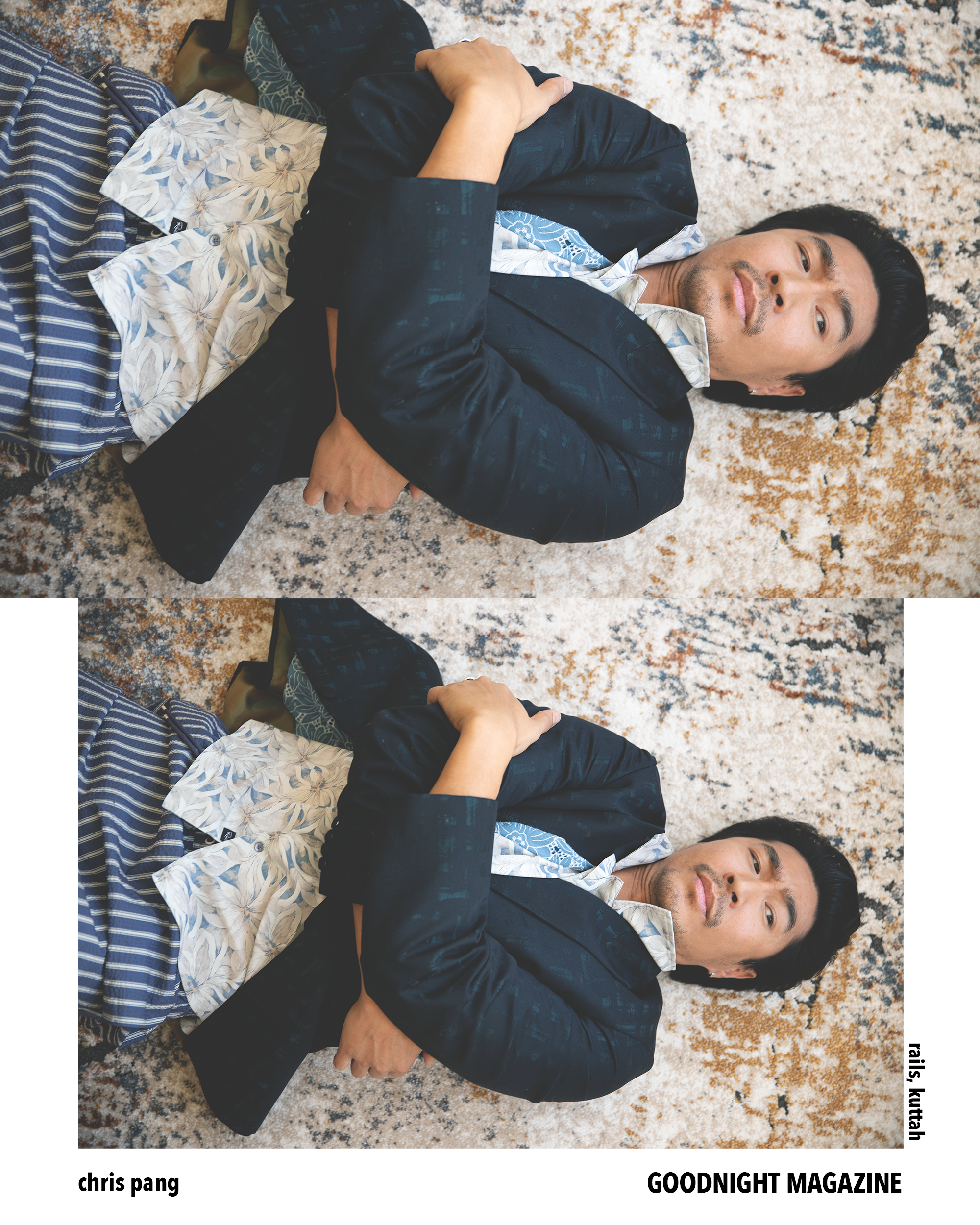
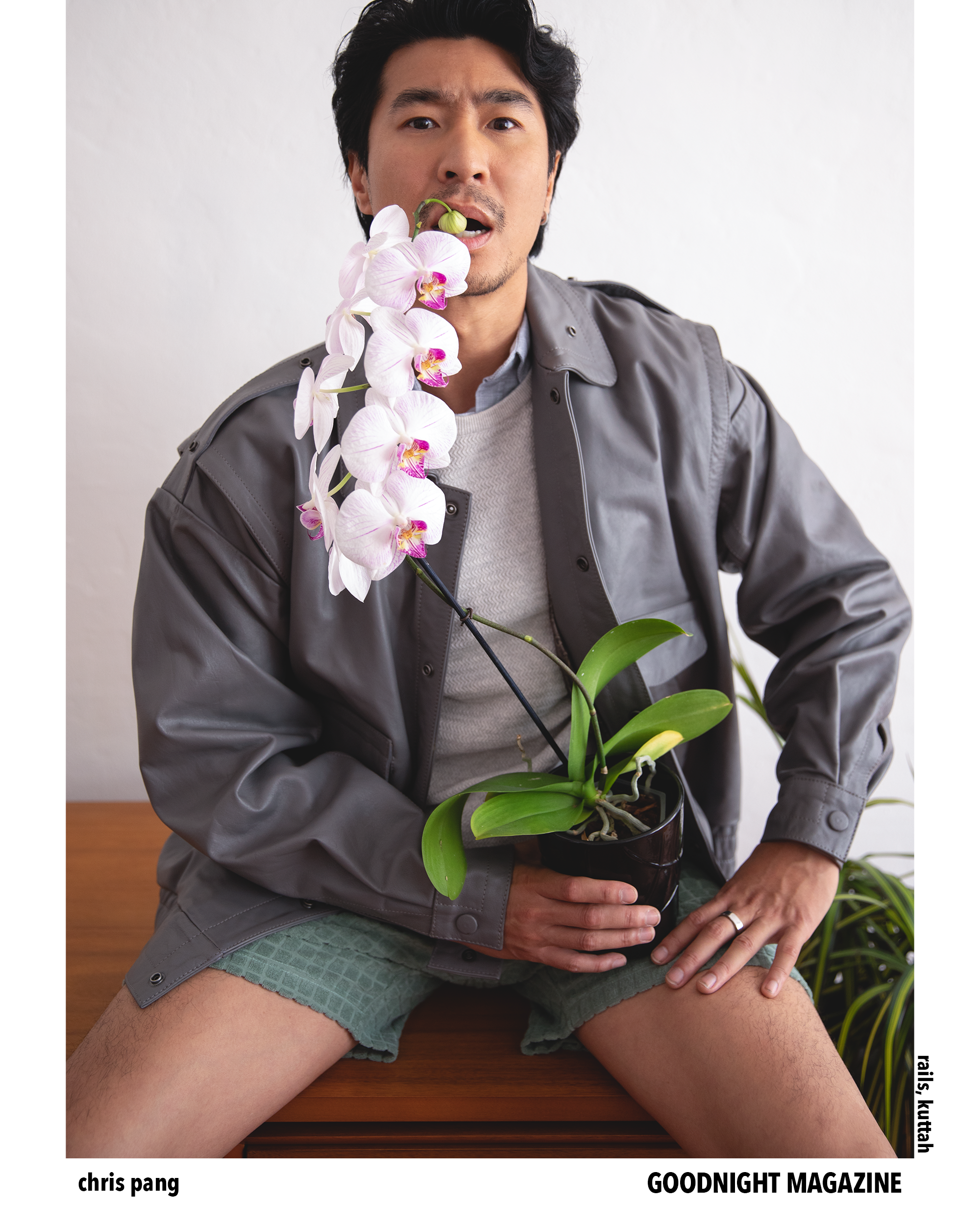
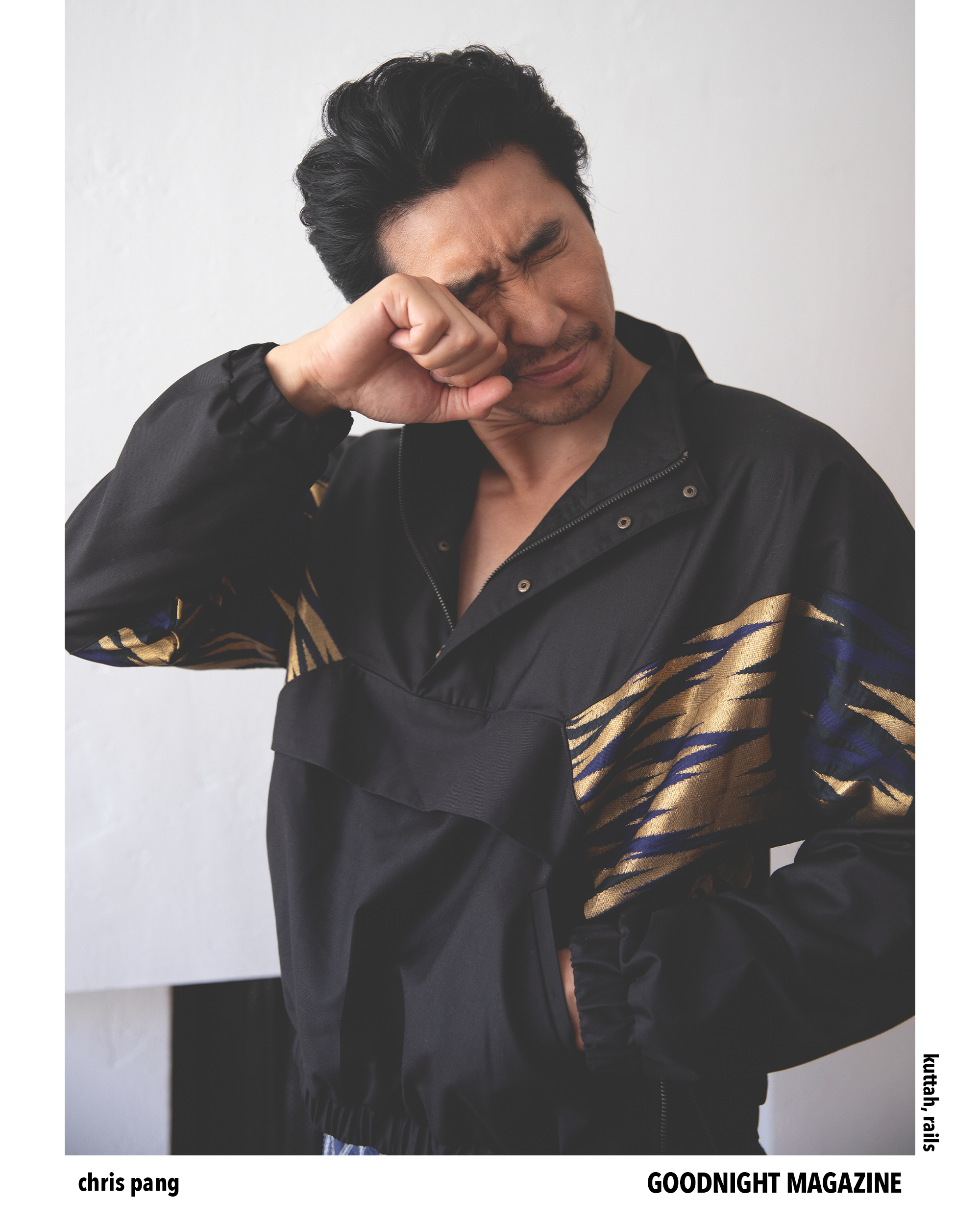
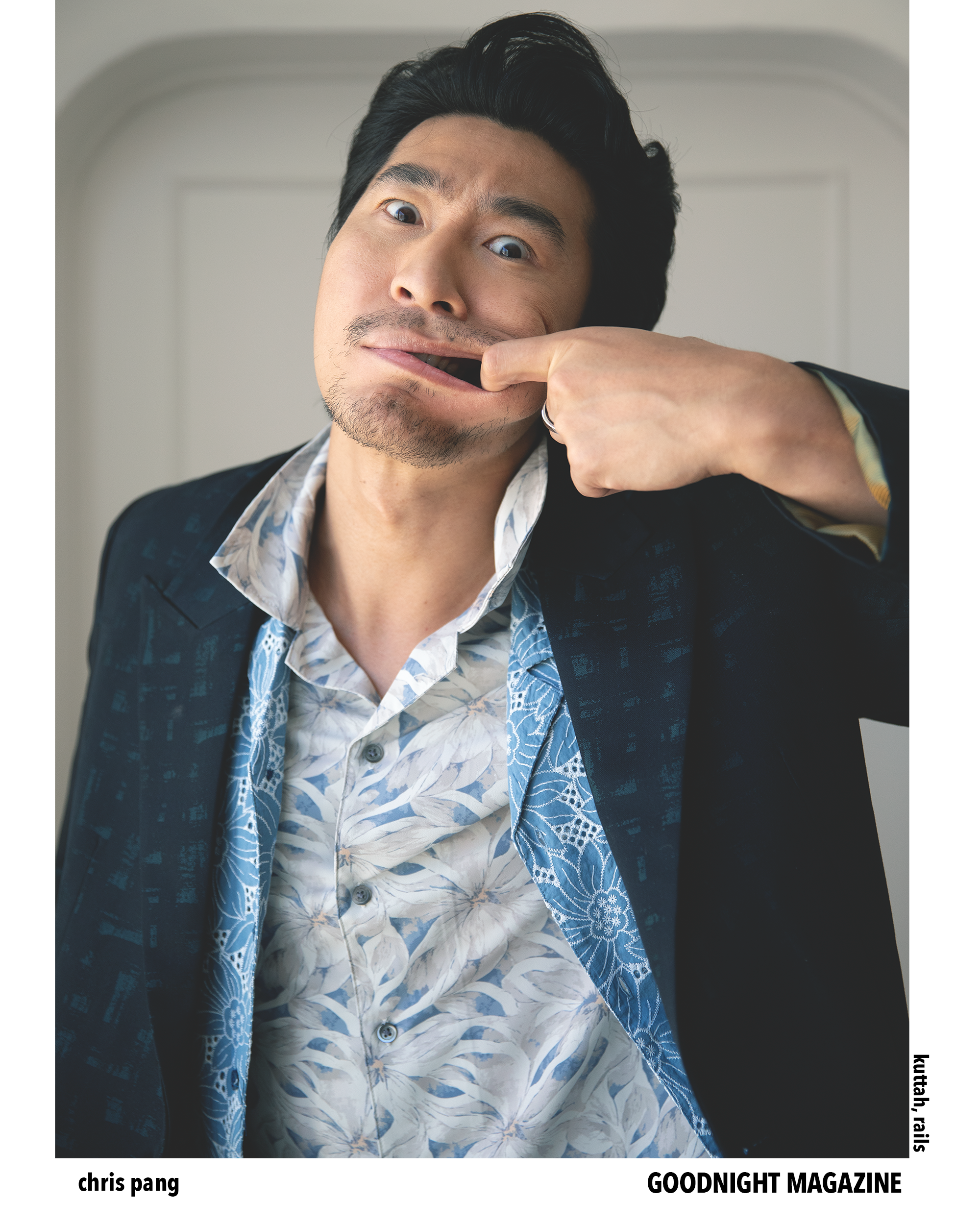
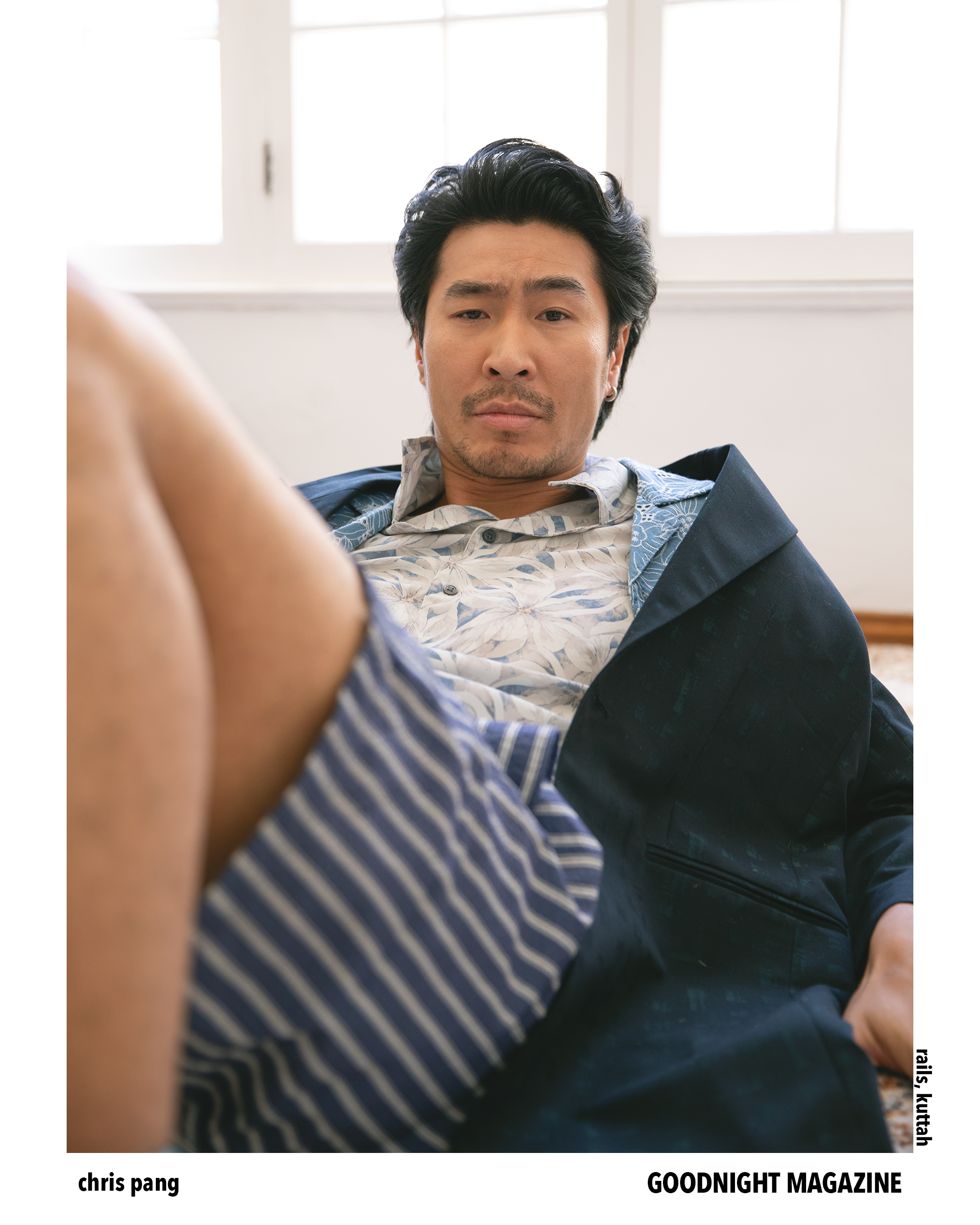
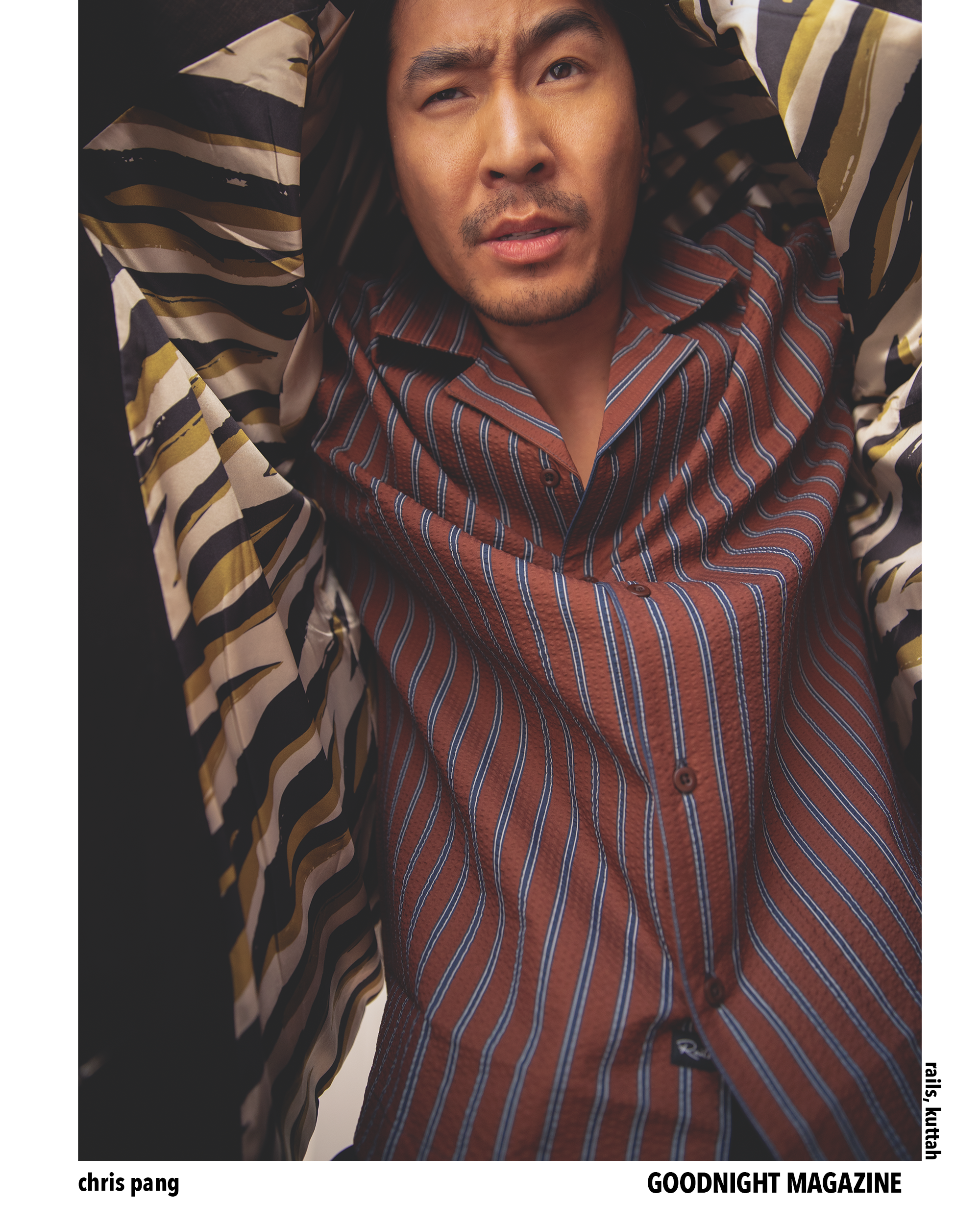
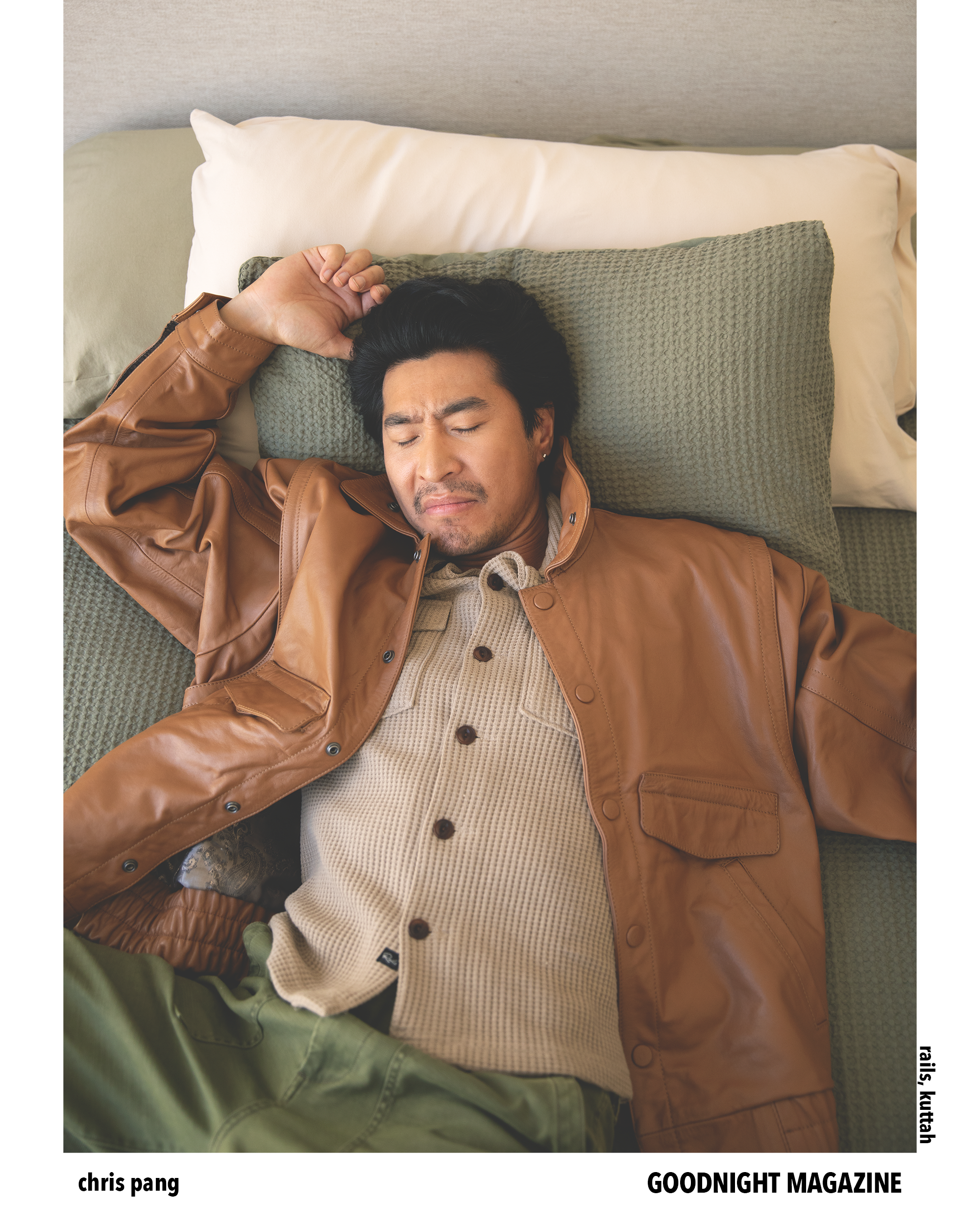
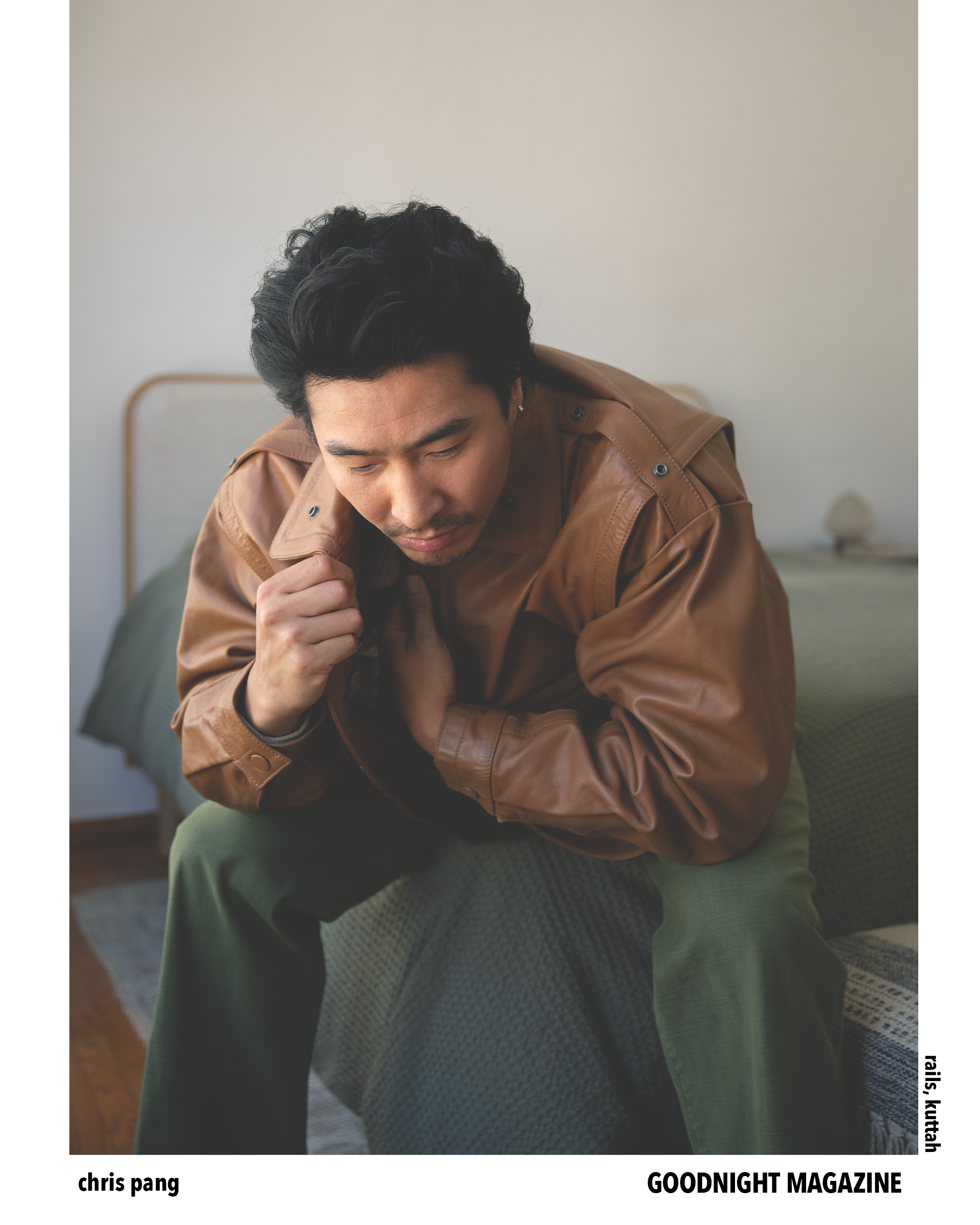
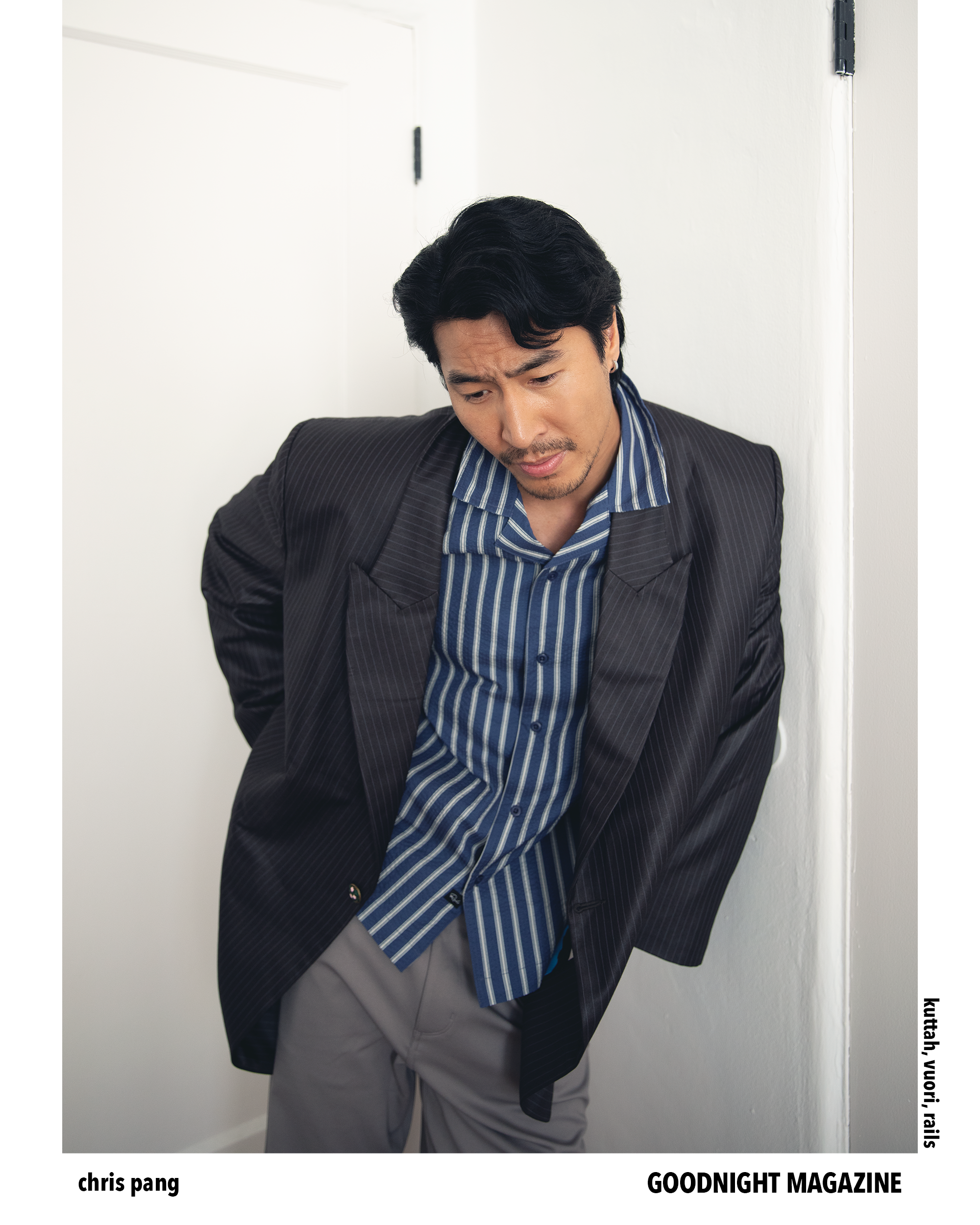
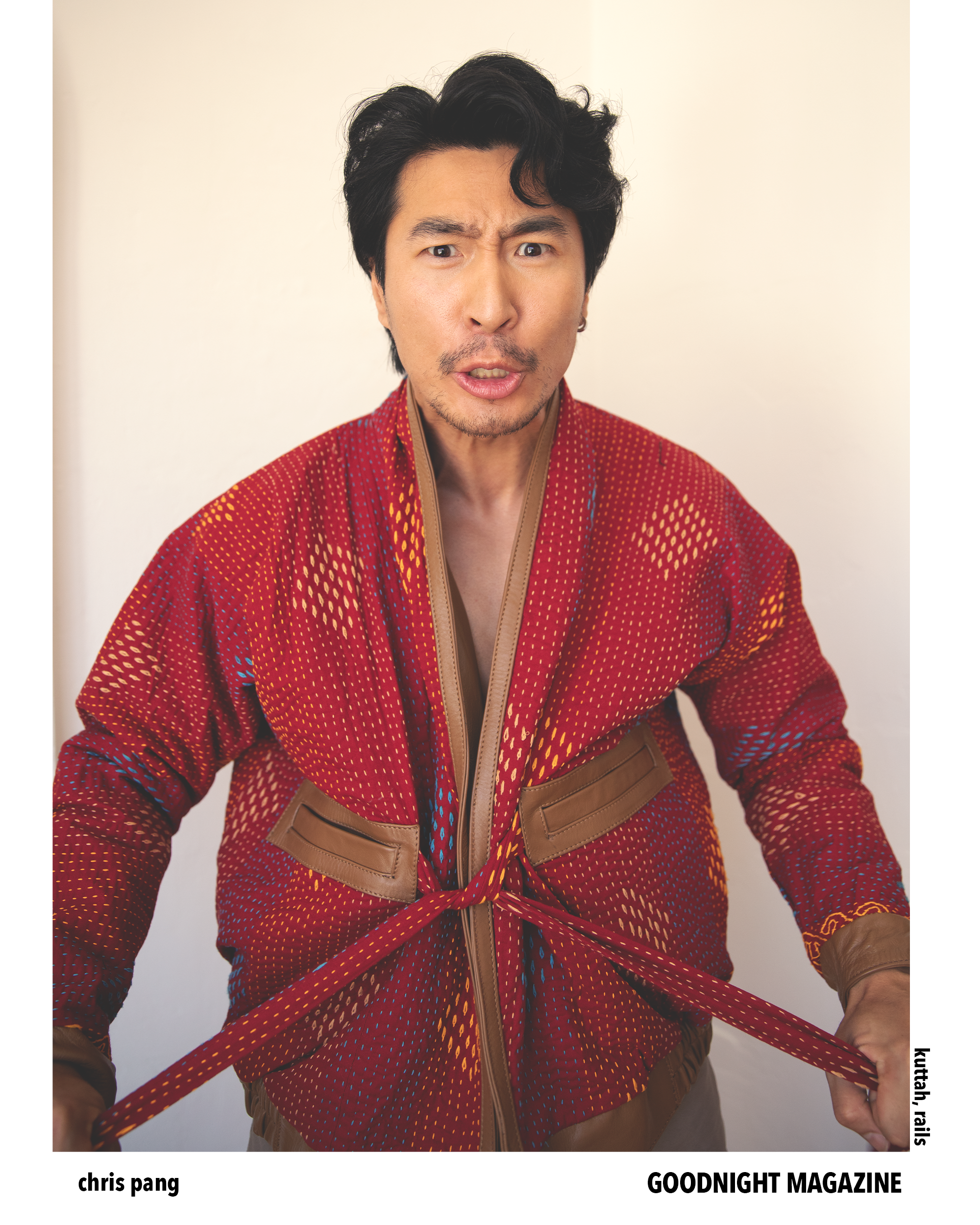
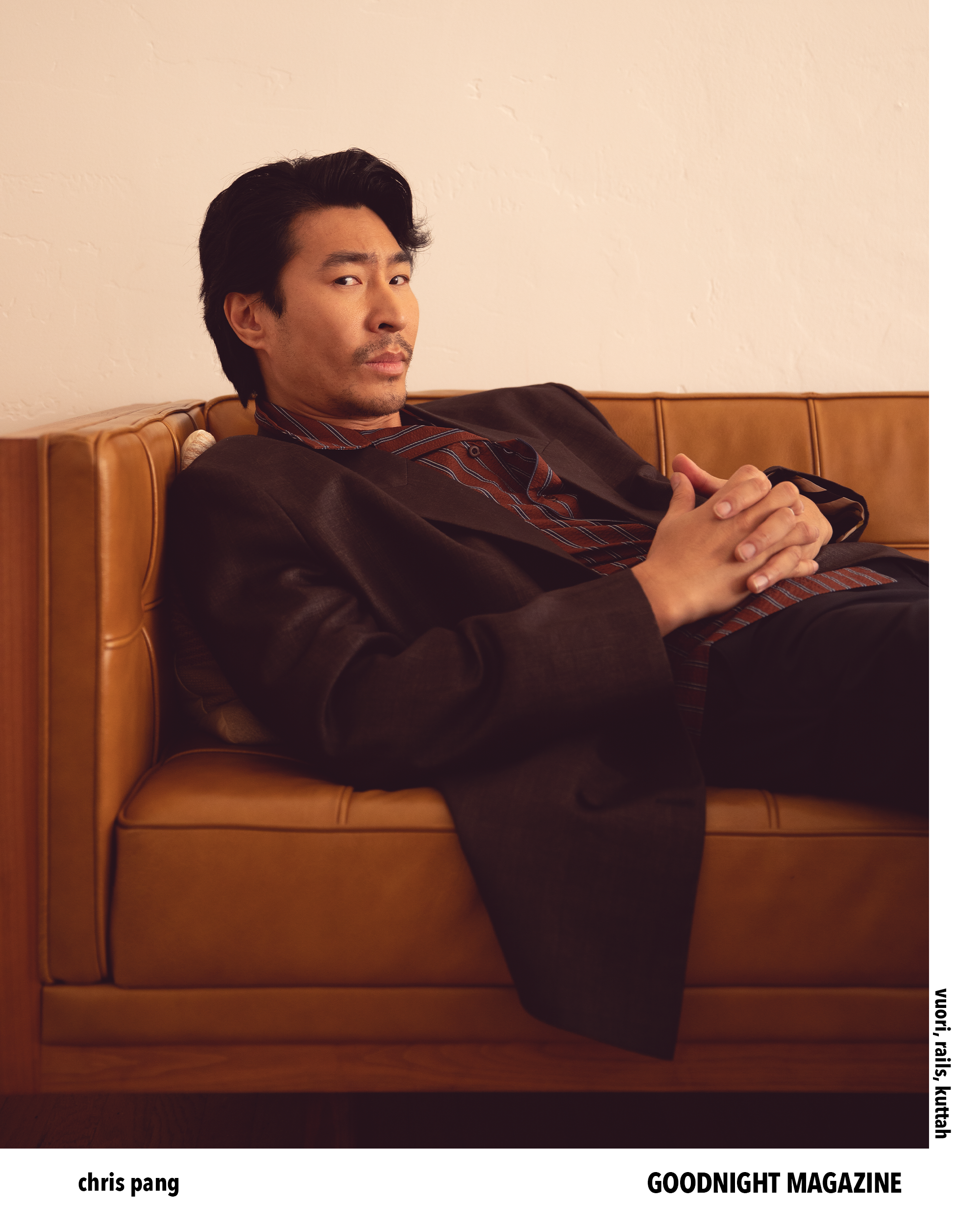
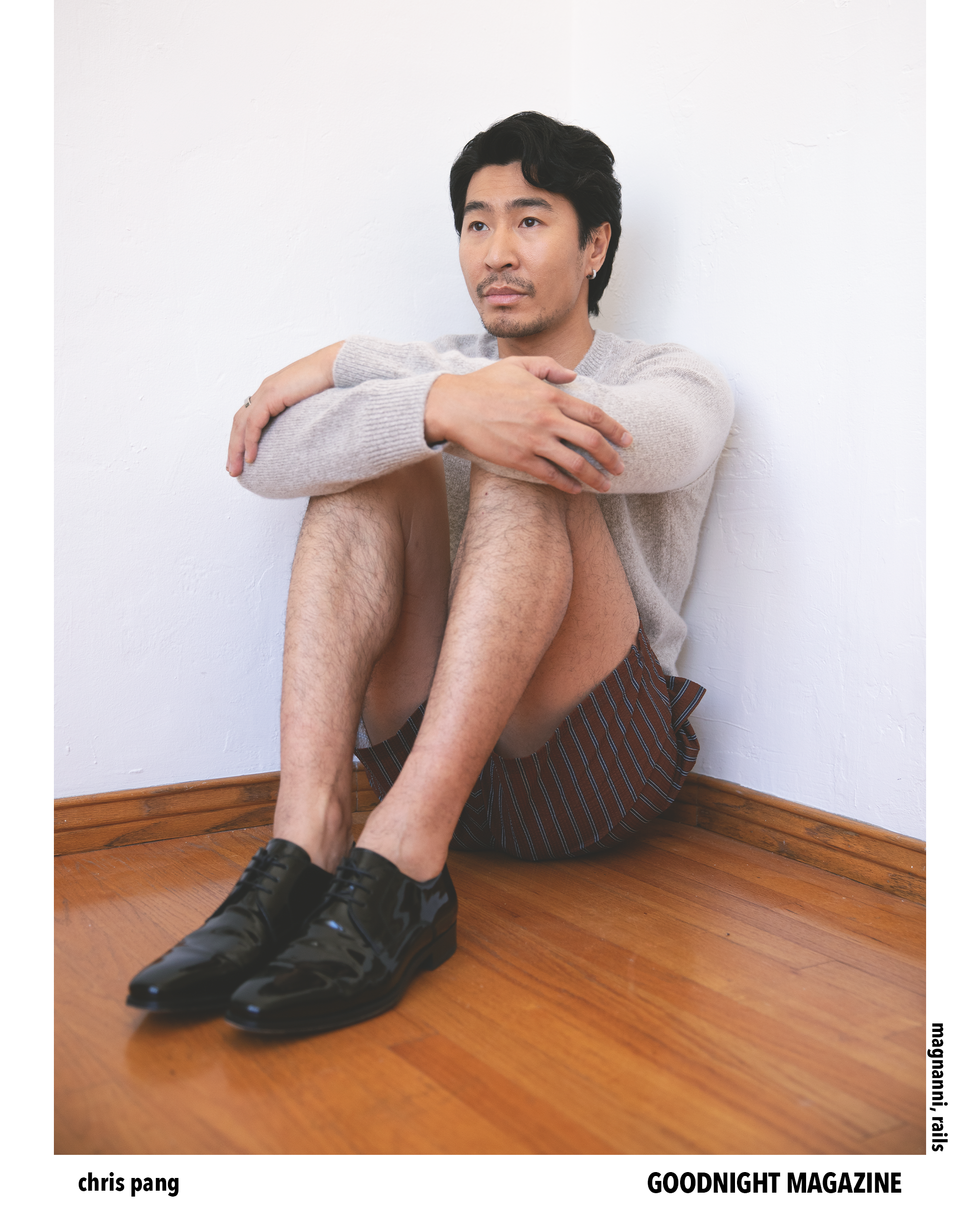
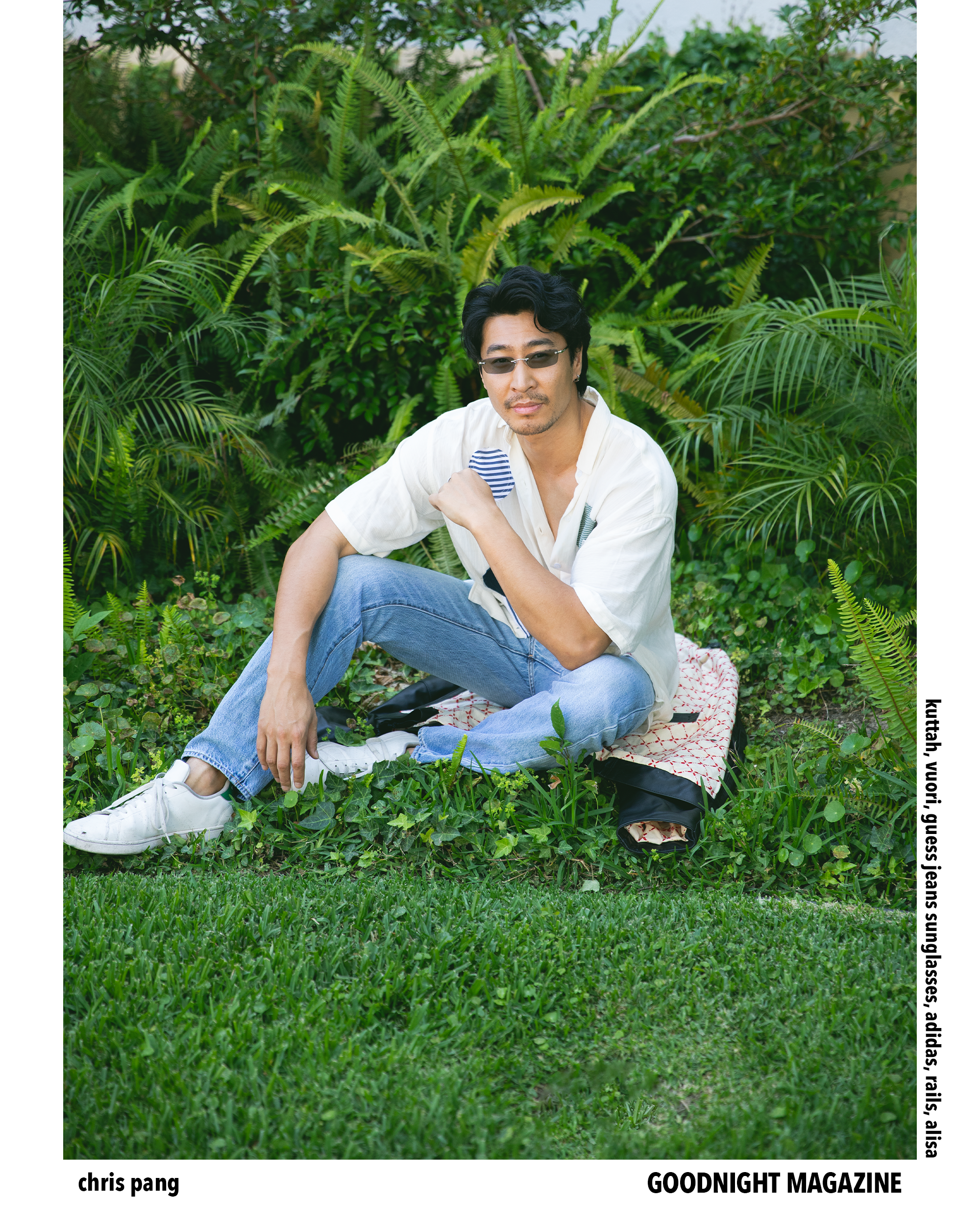
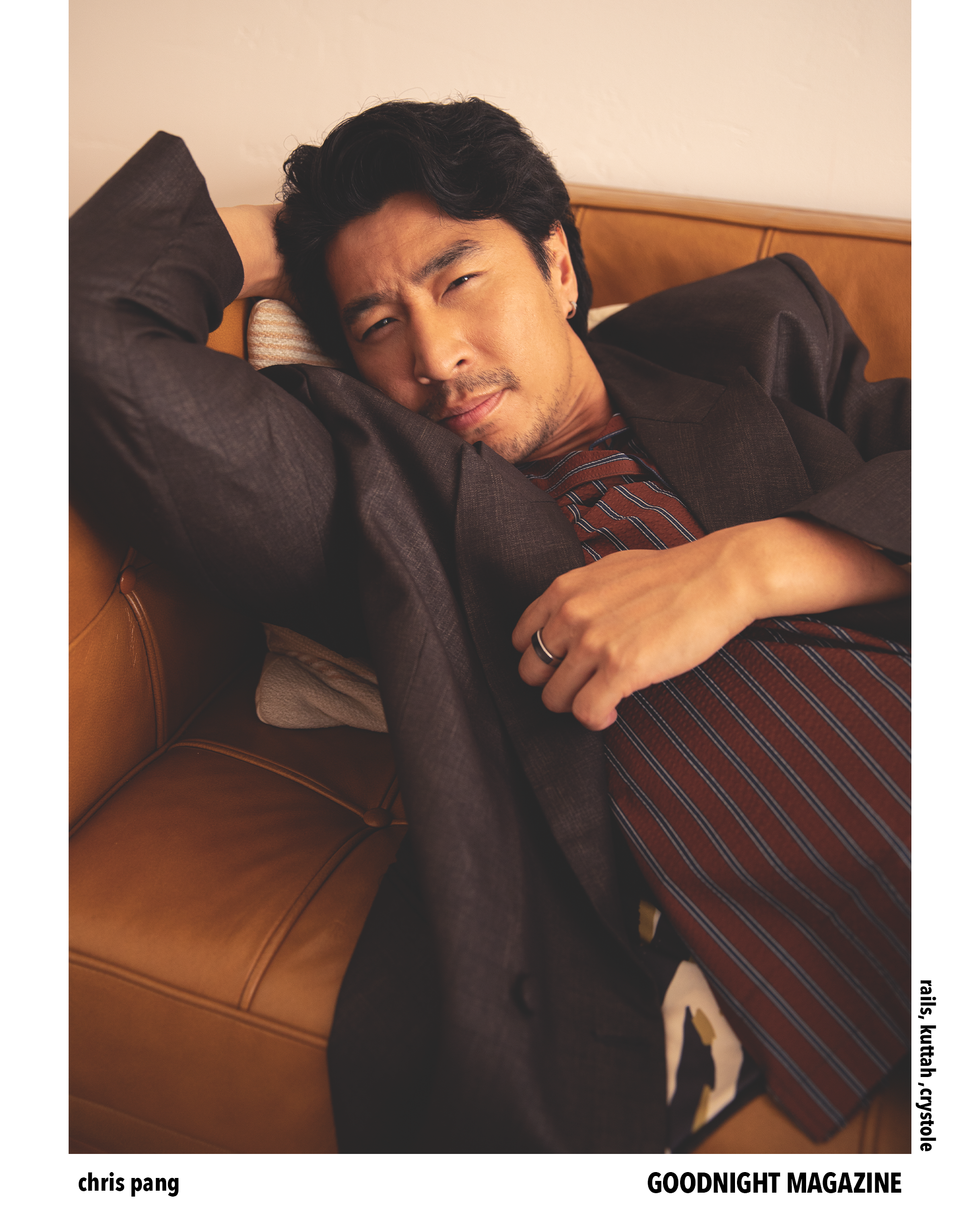
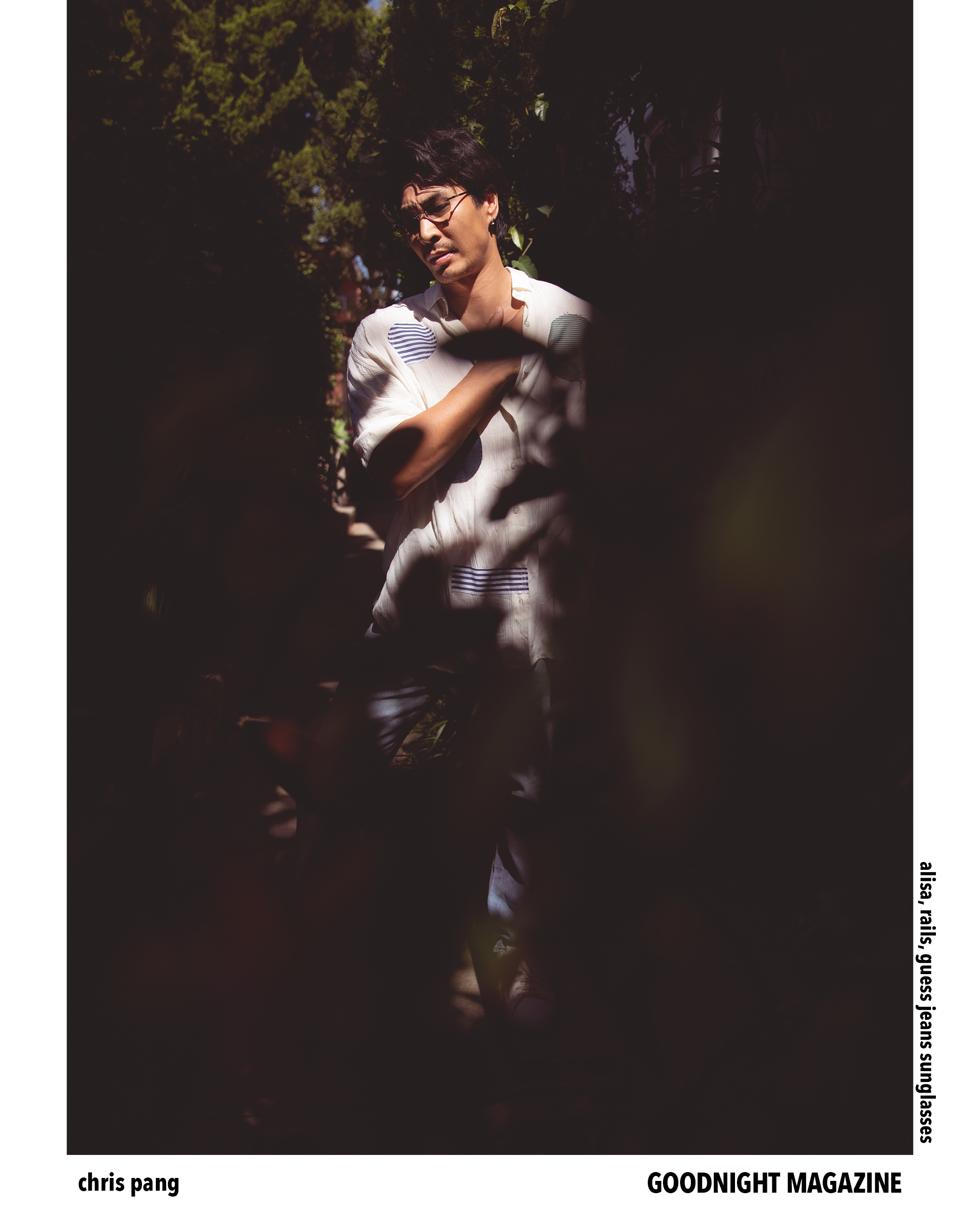
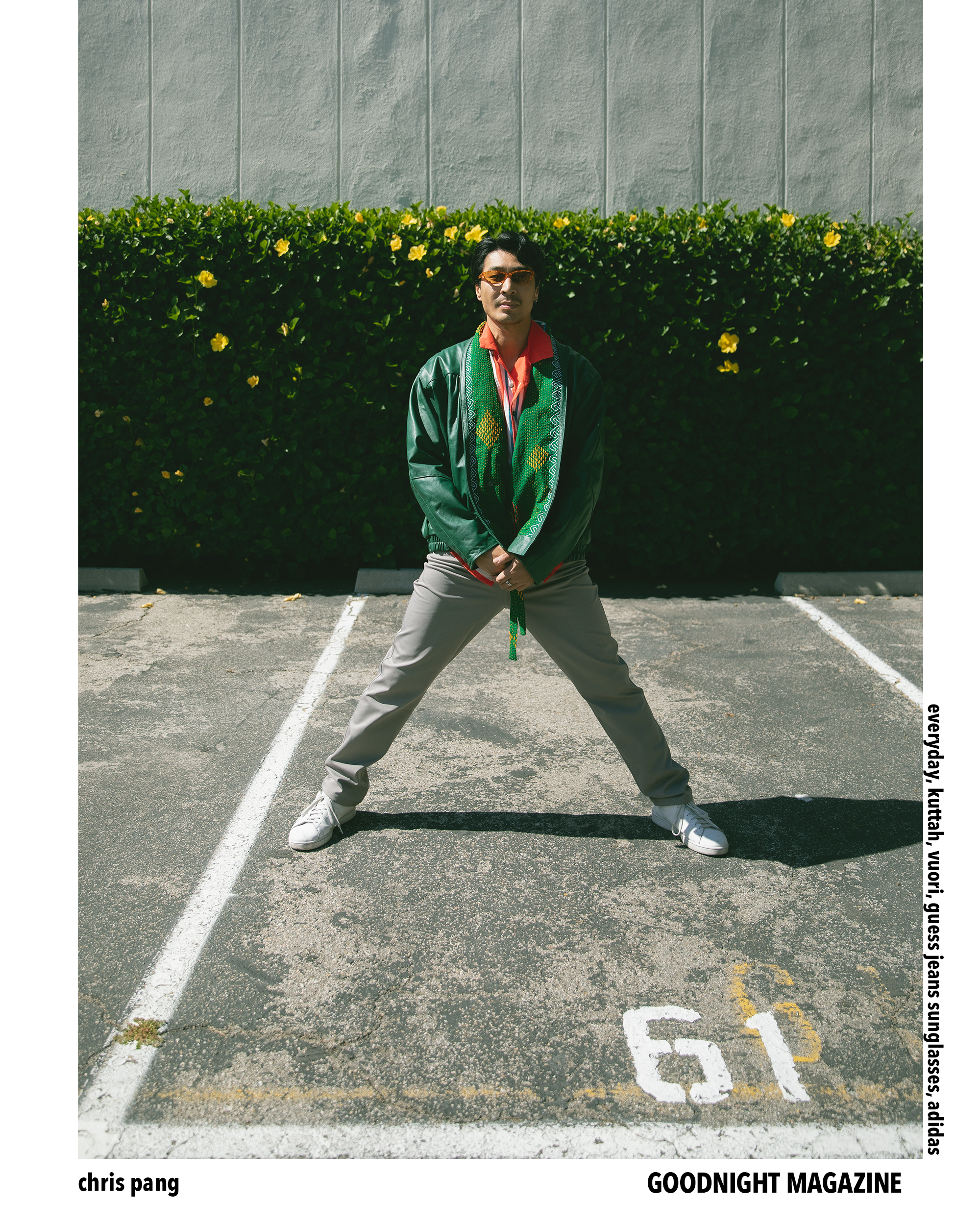
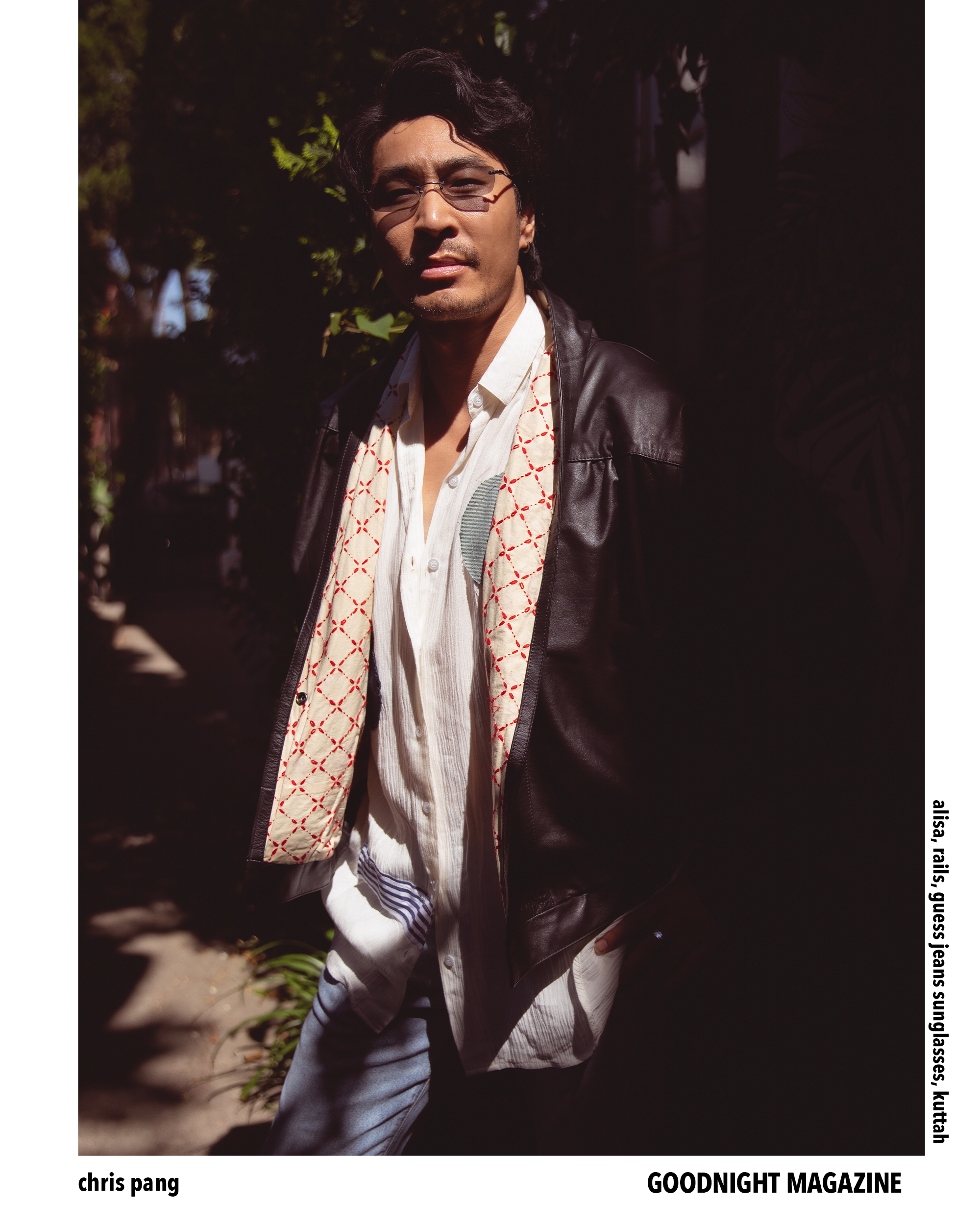
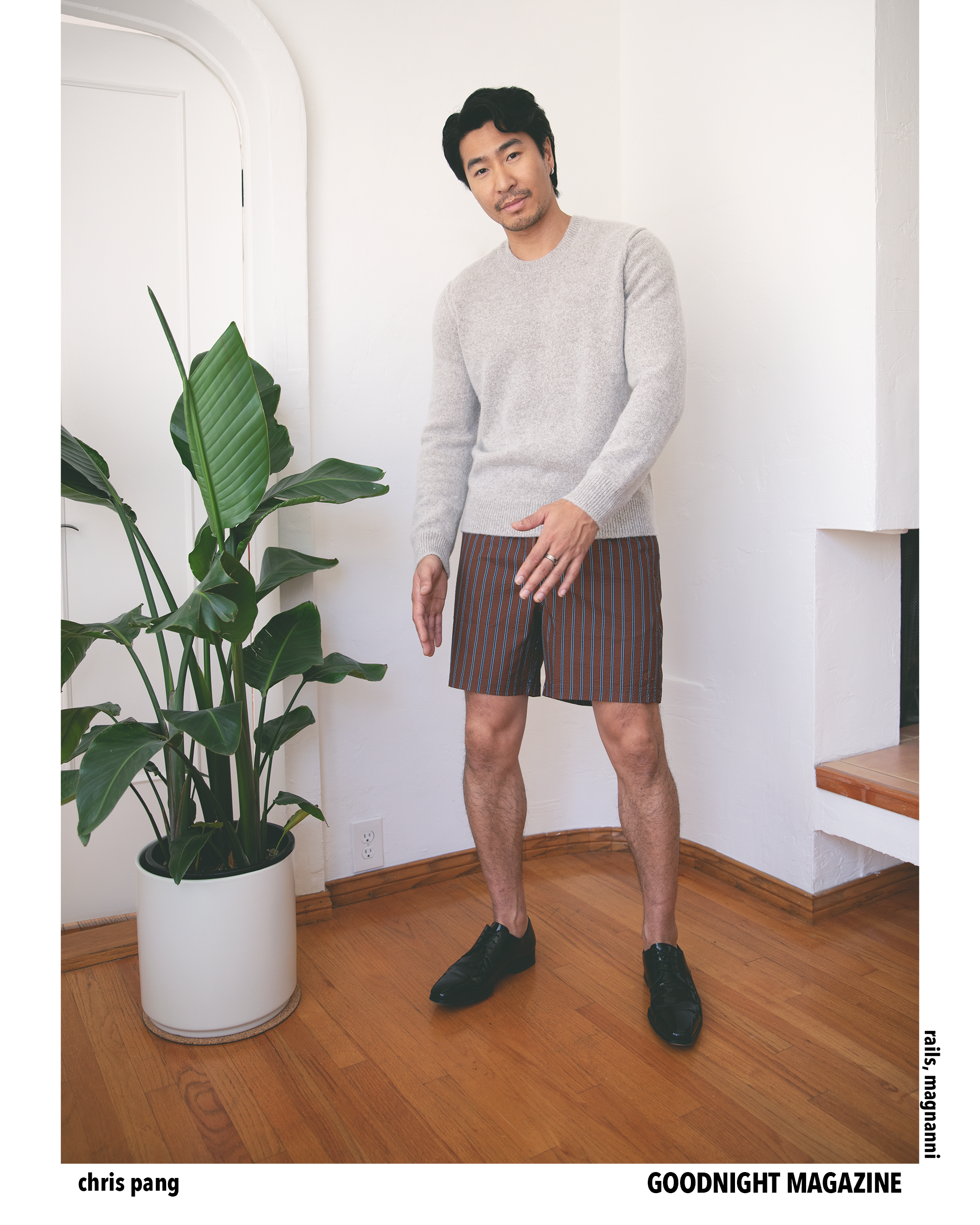
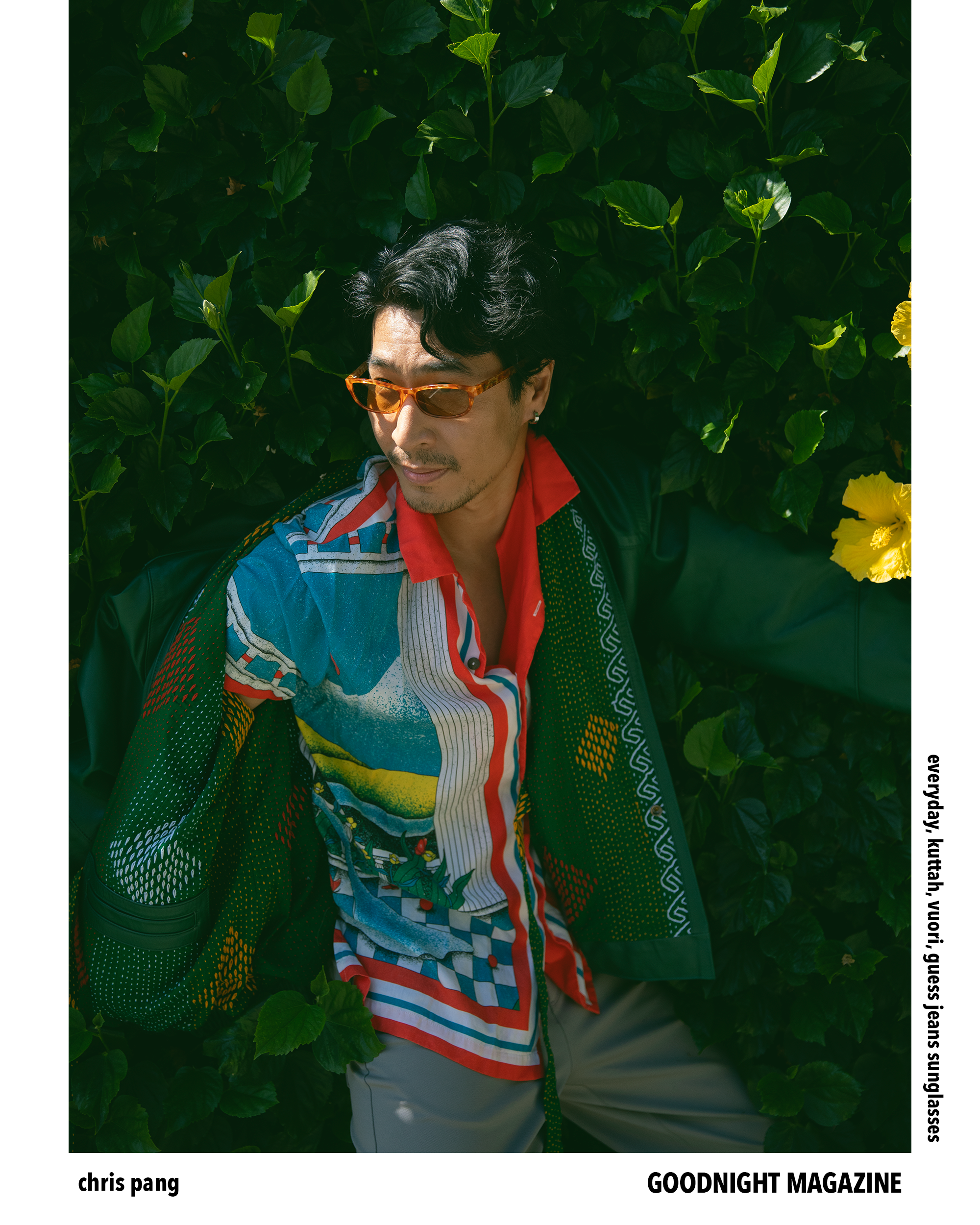
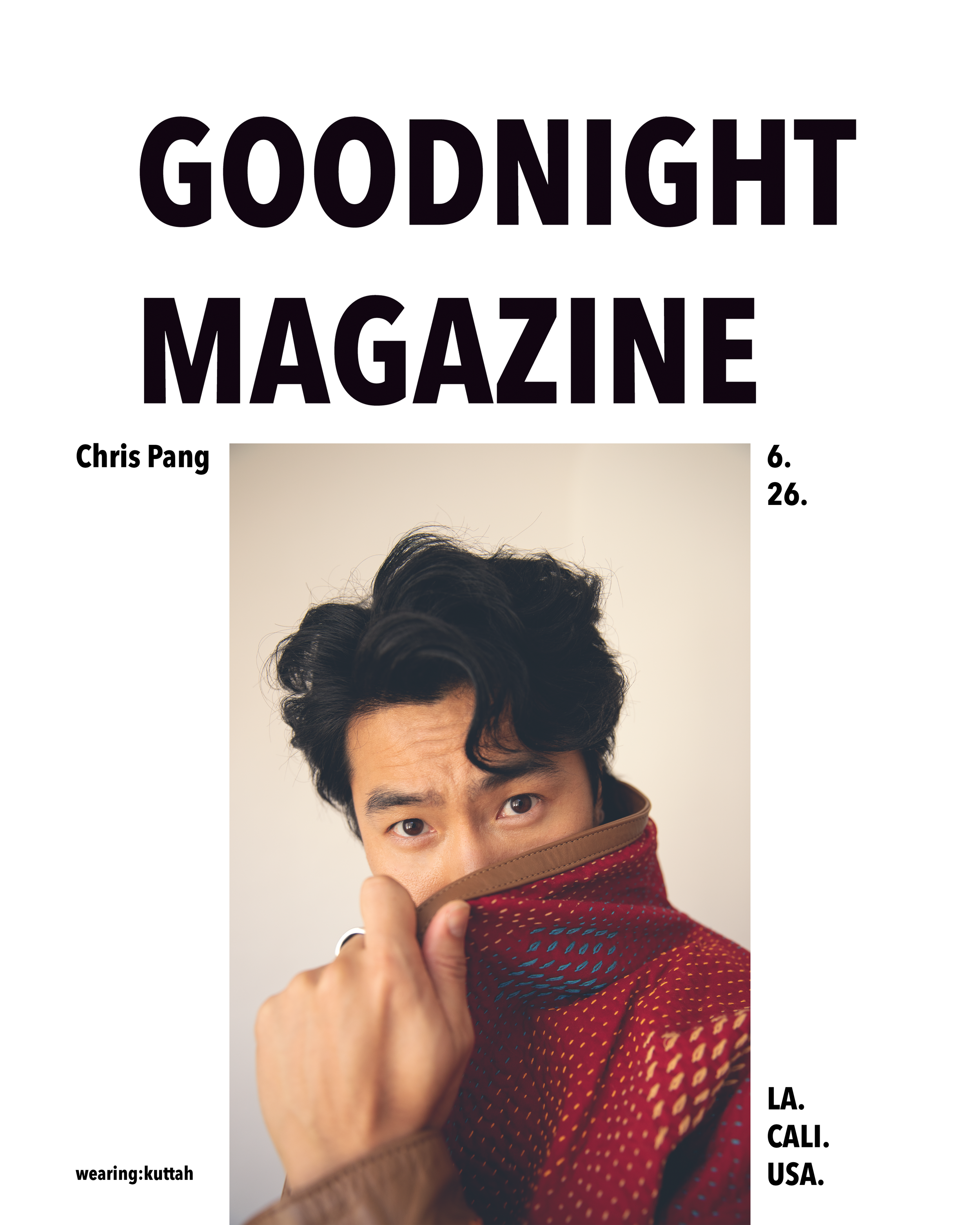
GN: You have spoken about leaving Australia at a time when opportunities for actors of Asian descent were comparatively limited. Looking back, was that decision an act of ambition, necessity, reinvention, or faith and how do you think that choice ultimately shaped both the artist and the person you became?
CP: At the time it felt like necessity, but looking back it was ambition and faith that drove it - and reinvention is what happened once I arrived. There was a bigger world out there beyond Australia.
I grew up in a martial arts household - my parents both teach Kung Fu. As a kid I learned the discipline, patience and respect that kept me moving forward and somewhere inside me, there's still a nine-year-old growing up on TVB dramas, dreaming about being part of the storytelling. In many ways, I'm still working every day to make him proud.
GN: Migration often requires people to navigate multiple identities simultaneously. Having built a career across different countries, cultures, and industries, how has living between worlds influenced your understanding of belonging, home, and selfhood?
CP: I live between cultures - never fully belonging to one. Even though my family is in Australia and I grew up there I never felt like I belonged until I went to Taiwan. When you see yourself reflected in the world around you, you’re no longer an outsider and you begin to feel at home. It’s why I’ve made it a mission to put Asian faces in western media so that English speaking countries can begin to feel like home for people who look like me.
GN: Representation is frequently discussed in political and industrial terms, yet it also has a profound psychological dimension. What impact do you believe seeing oneself authentically reflected on screen can have on a young person's sense of possibility, confidence, and place in the world?
CP: It's the difference between being ashamed and being proud of who you are.
When I was a kid, I watched friends disown their own culture - hiding the food their parents packed them for lunch, trying to be more Australian than the Australian kids. No one was proud to be Asian because we had never normalised Asians being the hero of the story.
What gives me hope is that we’re moving towards a world where a kid trying to find his identity today sees Asian faces in love stories, action films, comedies - leading, not serving. I never want to see another kid carry the shame that I saw my friends carry.
GN: Hollywood has undeniably changed over the last decade, particularly in its conversations about diversity and inclusion. From your vantage point, do you believe the industry has undergone a genuine transformation, or has the rhetoric advanced more rapidly than the underlying structures?
CP: What’s whack is that when Crazy Rich Asians came out, all the talk was that the landscape had changed. And it was a landmark - it was the film I had always wanted to see as a kid. But during the press tour I read press from The Joy Luck Club, the last all-Asian-led studio film before us, twenty-five years earlier. The conversations were almost identical. Same hope, same language, same promises.
So yes, there's progress but real transformation won't be a single landmark film and few and far between - it will be the next ten films getting made without anyone having to call them groundbreaking.
GN: Throughout your career, you have worked with exceptional directors, writers, and creative teams across comedy, drama, fantasy, action, and independent cinema. What qualities distinguish a competent filmmaker from a truly visionary storyteller?
CP: I have been very lucky in that respect! I’ve found that all competent creatives can effectively execute. But the visionary ones see something the rest of us can't and then make us believe in it. They sell the dream, and the passion behind it, in a way that gets everyone excited to do their best work. They’re also the most collaborative. I've watched directors take suggestions from the lighting guy or an extra, and treat it with as much weight as a note from the lead. Everyone feels seen, and everyone feels a part of it. That's how vision becomes a movie.
GN: Looking back across your collaborations, was there a particular director, writer, or mentor who fundamentally changed the way you think about acting, character, or the broader purpose of storytelling?
CP: Yeah - Stuart Beattie - who directed me in the first film I ever did: Tomorrow, When the War Began. He's a celebrated genius of a writer, and he was the one who first encouraged me to start writing. He sat me down and made me break down the structure of Beauty and the Beast, beat by beat, and showed me that every choice in a story is driven by a character's want, need, and sense of reality.
That changed how I act. Every scene became about finding the truth of the character's reality and letting that motivation be the source - the dialogue, the choices, the emotion that ends up on screen all come from living the want underneath them. That's how you bring character to life off the page.
GN: Crazy Rich Asians became far more than a successful film; it emerged as a cultural landmark. At what moment did you realize that the project had entered a larger historical and social conversation beyond entertainment?
CP: I'm generally not a fan of social media, but the one thing it does well is connect you to an audience in a way no generation of actors before us has had.
The moment I realised Crazy Rich Asians was more than a film was when the DMs started flooding in. Messages from strangers saying this was the movie they had wanted to watch their whole lives - that they were proud to bring their kids, proud to bring their parents, that three generations of one family had sat in the cinema together. That broke me reading it at the time - it was so overwhelming. It was the exact dream we'd had for the film. And watching it land in people's lives like that, I understood it had stopped being a movie and become a movement.
GN: Earlier in your career, were there opportunities you declined because they reinforced stereotypes or narratives that you felt were ultimately damaging, despite the professional risks of saying no?
CP: I've definitely turned down and lost jobs because they didn't align with how I wanted to portray Asian characters on screen. There was one major studio production where the role was essentially mine, but the director wanted me to do an accent I didn't believe in. I lost the gig doing that.
What a lot of people don't know is I had another competing offer for a different studio film when the Crazy Rich Asians offer came in. Crazy Rich Asians was by far the riskier choice - no precedent, no guarantee and in fact didn’t really make much sense to my team at the time. But I had to do it - it represented the whole reason I’m doing what I’m doing. I’m so glad I listened to my heart on that one!
GN: Your filmography spans blockbuster films, independent productions, streaming platforms, television series, and international projects. How do you balance artistic curiosity with the practical realities of building a sustainable and enduring career?
CP: Ha! I'm honestly the wrong person to ask. I've always leaned too far towards the artistry of it all and been too idealistic about how the industry would change, and never really played the business game the way you're supposed to. That's why I haven’t made a tonne of money - I keep choosing the projects that fulfill my artistic soul over the ones that fill my wallet.
GN: Success is one of the most frequently used words in our culture, yet one of the least examined. What did success mean to the young actor arriving in Los Angeles, and what does it mean to Chris Pang today?
CP: Um… having a GT3RS in the garage. Hahah. No, it might sound cliché but really success to me today is the health and happiness of those that matter. That’s it. Having someone to share life with and doing it in good health.
GN: Much attention is given to representation in front of the camera, but meaningful change often begins behind it. How important is it that writers, directors, producers, and executives reflect the diversity of the stories being told?
CP: Yeah absolutely. Representation in front of the camera is the result of representation behind it. Without diversity in the writers' room, the director's chair, the producers' suite, you don't get authentic stories - you get the look of representation without the substance. Real change has to start behind the camera.
GN: You have portrayed romantic leads, action figures, comic personalities, and dramatic characters. Which roles feel closest to your own temperament, and which require the greatest transformation or departure from yourself?
CP: To be honest, I keep getting cast in rom-coms and comedies - and I won't pretend those are the furthest from who I am. But the roles I actually want are the darker ones - crime thrillers, martial arts films, action. Which is strange, because after Crouching Tiger, Hidden Dragon: Sword of Destiny, I assumed I'd get typecast in that world. I grew up in a kung fu household - that work isn't a departure from who I am, it's closer to where I started.
GN: Every career contains moments of uncertainty that audiences rarely see. What were the periods in your professional life when your belief in yourself was most severely tested, and what enabled you to continue moving forward?
CP: Oh there have been many. The hardest part of this career is that there's no stability, no guarantee, no clear path forward - and that uncertainty brutally wears you down.
The lowest point came right before Crazy Rich Asians. I was broke, deep in rejection after rejection, and I felt trapped. I was deeply depressed. I felt trapped with no way to move forward.
I won't pretend the road is easy. What pulled me through wasn't belief that it would turn around, it was just somehow finding the strength to show up day after day. That's the difference, I think, between success and failure.
GN: If you could spend six months in creative dialogue with any living filmmaker, novelist, playwright, or screenwriter, who would it be, and what artistic or philosophical questions would you most want to explore together?
CP: Oh picking one is tough! There are so many legendary filmmakers I'd love to sit with. But the thing is the industry is at a crossroads and changing faster than ever. New media is taking over – I mean, Korean films are killing it too – they’re just reshaping global cinema. I want to understand how we exist inside this shift and adapt to the future, so I'd want to sit down with content creators like Curry Barker, who made Obsession and then Korean filmmakers like Park Chan-wook, Bong Joon-ho, Na Hong-jin. I can’t pick one. hahaha
GN: The word "goodnight" is spoken countless times every day across the world, yet it can signify gratitude, closure, reflection, hope, or renewal. When you say goodnight, whether after a successful day, a difficult day, or a transformative chapter in life, what are you truly saying goodbye to, and what do you hope to welcome when morning arrives?
CP: Interesting. I've never thought of "goodnight" as a goodbye. Growing up, I always said wǎn ān (晚安) in Chinese - which means ‘peaceful night’. To me it was never about closure or an ending to the day. It was about sending you off to rest, in like a soft fluffy cloud where you could have the sweetest of dreams and wake up feeling rested and whole. I guess, to me, goodnight is about wishing you peace.
photographer: karen doolittle
styling: alessandro denino at fashion media playground pr (usa)
groomer: lucy gargiulo for exclusive artists using armani beauty and oribe
production & casting: kam
wearing brands:
Rails
Adidas
Vuori
Magnanni
Sackitem
Kuttah
Crystole
Guess Jeans Sunglasses
Alisa
Everyday
@railsmens
@adidasoriginals
@vuoriclothing
@magnanni
@sackitem
@kahlokhan
@crystole_jewels
@alisa_clothingstore
@guessjeans
@weareveryday.co